

Demand Submission
Please leave us a message and we will contact you within 24 hours
APPLICATION
Our silicone products are used in all walks of life
APPLICATION
Our silicone products are used in all walks of life
Silicone Leather vs Genuine Leather: Which Is Better for Medical Furniture?
2025-11-01 11:00:50
Click:
“
Silicone leather is rapidly replacing genuine leather in the medical furniture industry. With its superior durability, stain resistance, and antimicrobial surface, it meets the strict hygiene and performance standards of modern healthcare spaces, offering a sustainable and long-lasting alternative to traditional materials.
”
In the world of medical and healthcare furniture, choosing the right upholstery material is about more than appearance — it’s about hygiene, safety, and long-term durability. Traditionally, genuine leather has been the preferred choice for its natural texture and luxurious feel. However, with evolving healthcare standards and a growing focus on sustainability, silicone leather has emerged as a next-generation material that offers remarkable advantages over natural hides.
What Is Silicone Leather?
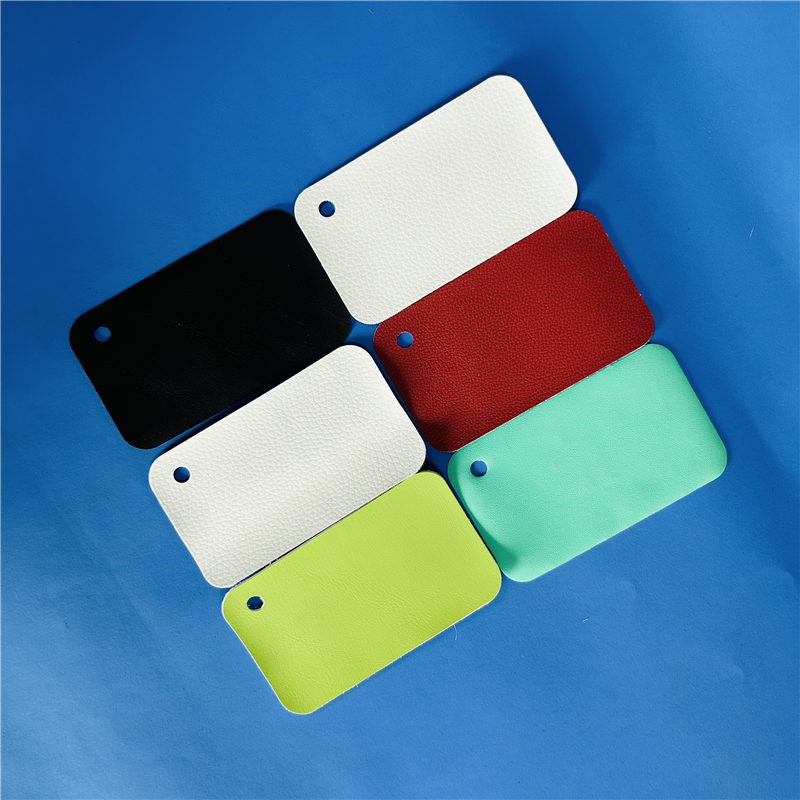
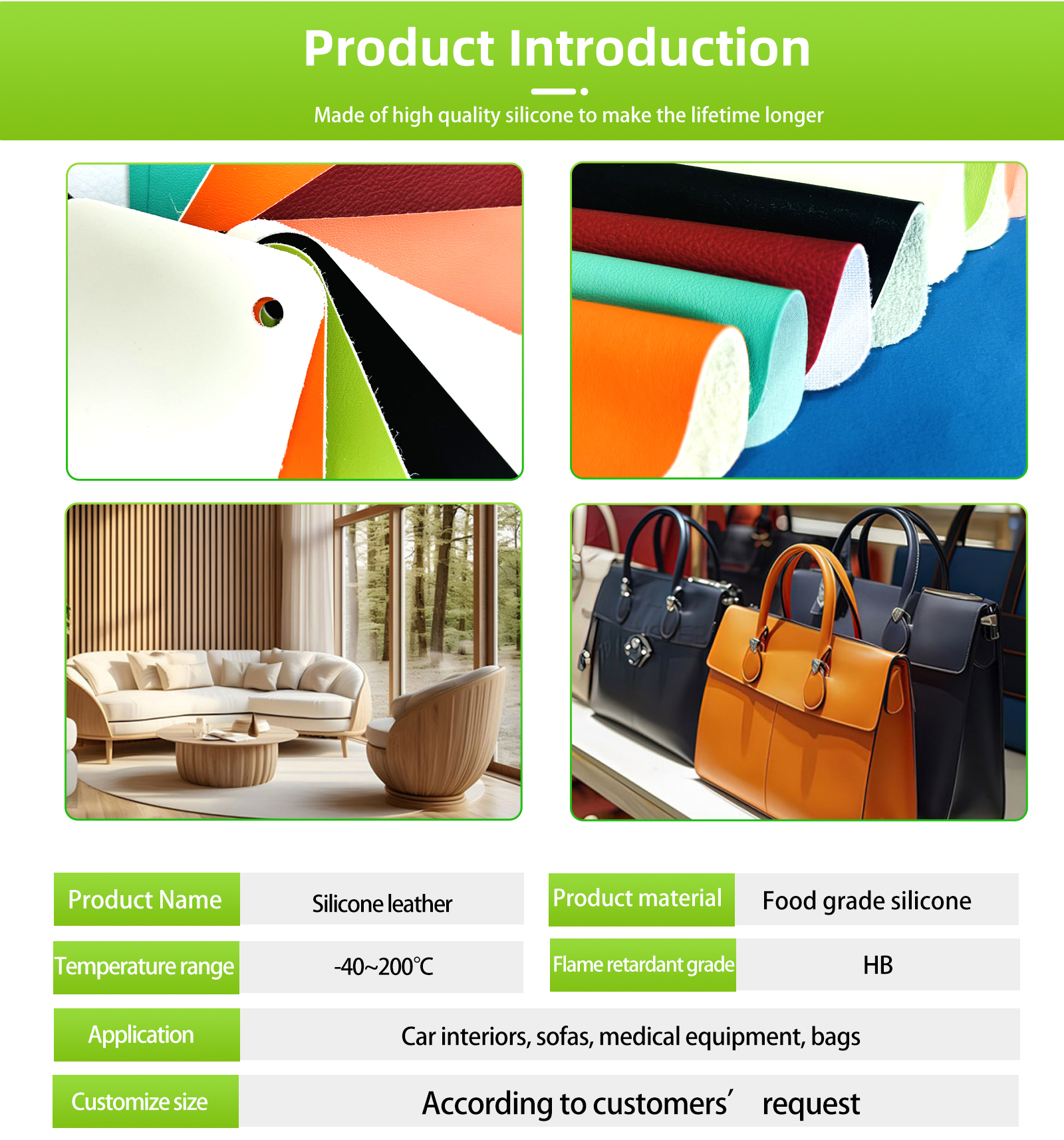
Silicone leather is a synthetic leather made by coating fabric substrates with high-performance silicone. Unlike PVC or PU leathers, silicone leather is free from harmful solvents, plasticizers, and heavy metals. It is odorless, environmentally friendly, and engineered to resist high temperatures, UV exposure, and harsh cleaning agents — all essential characteristics for medical and clinical environments.
While genuine leather is derived from animal hides, silicone leather is 100% vegan and non-toxic, offering a sustainable and cruelty-free alternative.
Hygiene and Safety: The Key Differentiator
In hospitals, clinics, and dental offices, hygiene is non-negotiable. Genuine leather, being porous, tends to absorb moisture, body oils, and cleaning chemicals over time, making it prone to bacterial buildup and discoloration.
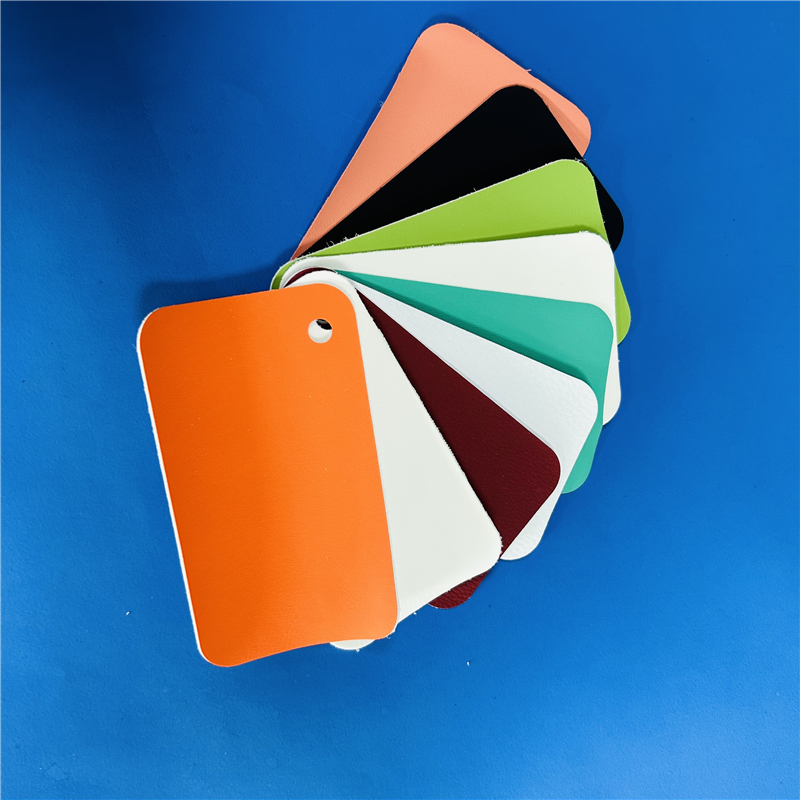
Silicone leather, on the other hand, features a non-porous and antimicrobial surface. Its smooth, sealed coating prevents the growth of bacteria and fungi, ensuring a cleaner and safer seating surface. It can be wiped down with alcohol-based disinfectants or steam cleaned without degrading — a critical feature in post-pandemic healthcare environments.
Durability and Performance
Medical furniture undergoes constant use and cleaning. Genuine leather, while durable, can dry, crack, or fade after repeated exposure to disinfectants. Silicone leather is inherently UV-resistant, hydrolysis-resistant, and flame-retardant, allowing it to retain its flexibility and color even after years of service.
Its excellent tear and abrasion resistance make it particularly suitable for hospital beds, examination chairs, and dental seating where high friction and frequent movement occur. Moreover, silicone leather’s anti-stain properties help maintain a pristine appearance even after long-term use — blood, ink, and iodine stains can be easily wiped away without leaving marks.
Comfort and Touch
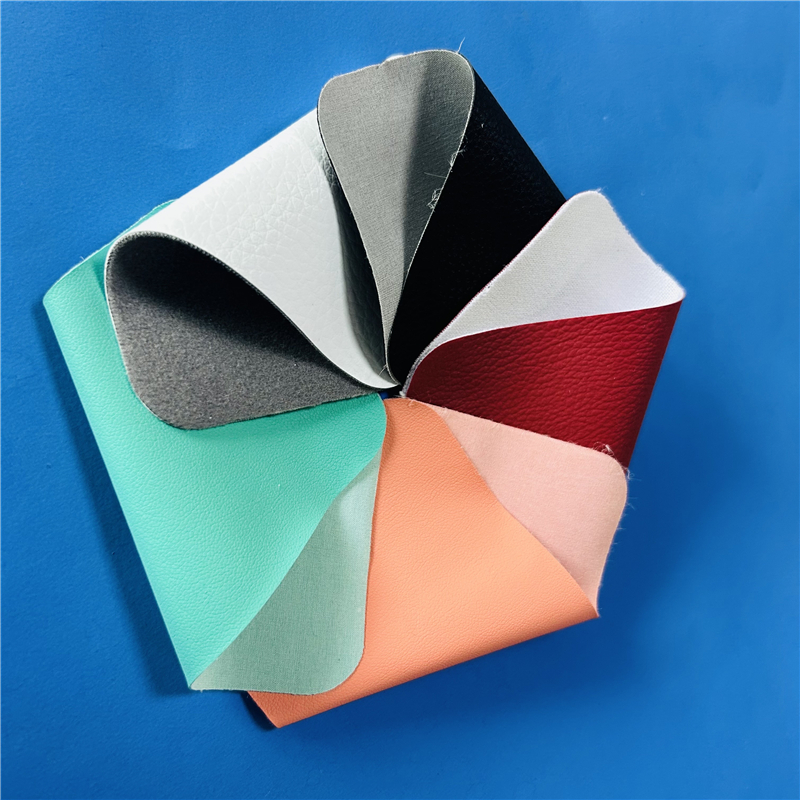
One of the main appeals of genuine leather is its soft, natural feel. Modern silicone leather technology has closed that gap dramatically. Through precision surface texturing and matte finishing, silicone leather can replicate the smoothness and breathability of premium hides while offering a more consistent tactile experience.
It remains comfortable under different temperatures, as silicone naturally adapts to body heat, providing a pleasant touch without feeling sticky or cold.
Sustainability and Environmental Responsibility
Today’s healthcare industry is increasingly focused on sustainable sourcing and waste reduction. Genuine leather production involves tanning processes that often use chromium and other chemicals, posing environmental challenges. Silicone leather, in contrast, is produced through a solvent-free process, releasing no VOCs (volatile organic compounds) and generating less waste. It is also fully recyclable and biocompatible, aligning perfectly with modern eco-conscious manufacturing standards.
Cost and Maintenance Efficiency
While the initial cost of silicone leather may be slightly higher than synthetic PU materials, it often proves more cost-effective in the long run. Its longevity, reduced maintenance needs, and resistance to frequent disinfection cycles make it a smart investment for hospitals, clinics, and wellness centers.
Genuine leather requires periodic conditioning and care, while silicone leather maintains its look and texture with minimal upkeep — simply clean with water or mild detergent.
Conclusion: The Smarter Choice for Healthcare
In the comparison between silicone leather and genuine leather, the former clearly outperforms in areas that matter most for medical furniture: hygiene, durability, safety, and sustainability.
It’s a material designed not just to look good, but to perform reliably in the most demanding environments — from hospital wards to dental clinics.
For healthcare furniture manufacturers and designers seeking a future-proof, environmentally friendly solution, silicone leather represents the next evolution in upholstery materials — a combination of modern technology and responsible design.
Author:
Dongguan Yutian Silicone Rubber Technology Co., Lt
0
Products Recommended





INQUIRY


Add Successfully
Silicone Leather vs Genuine Leather: Which Is Better for Medical Furniture?
Author:Dongguan Yutian Silicone Rubber Technology Co., Lt
In the world of medical and healthcare furniture, choosing the right upholstery material is about more than appearance — it’s about hygiene, safety, and long-term durability. Traditionally, genuine leather has been the preferred choice for its natural texture and luxurious feel. However, with evolving healthcare standards and a growing focus on sustainability, silicone leather has emerged as a next-generation material that offers remarkable advantages over natural hides.
What Is Silicone Leather?
Silicone leather is a synthetic leather made by coating fabric substrates with high-performance silicone. Unlike PVC or PU leathers, silicone leather is free from harmful solvents, plasticizers, and heavy metals. It is odorless, environmentally friendly, and engineered to resist high temperatures, UV exposure, and harsh cleaning agents — all essential characteristics for medical and clinical environments.
While genuine leather is derived from animal hides, silicone leather is 100% vegan and non-toxic, offering a sustainable and cruelty-free alternative.
Hygiene and Safety: The Key Differentiator
In hospitals, clinics, and dental offices, hygiene is non-negotiable. Genuine leather, being porous, tends to absorb moisture, body oils, and cleaning chemicals over time, making it prone to bacterial buildup and discoloration.
Silicone leather, on the other hand, features a non-porous and antimicrobial surface. Its smooth, sealed coating prevents the growth of bacteria and fungi, ensuring a cleaner and safer seating surface. It can be wiped down with alcohol-based disinfectants or steam cleaned without degrading — a critical feature in post-pandemic healthcare environments.
Durability and Performance
Medical furniture undergoes constant use and cleaning. Genuine leather, while durable, can dry, crack, or fade after repeated exposure to disinfectants. Silicone leather is inherently UV-resistant, hydrolysis-resistant, and flame-retardant, allowing it to retain its flexibility and color even after years of service.
Its excellent tear and abrasion resistance make it particularly suitable for hospital beds, examination chairs, and dental seating where high friction and frequent movement occur. Moreover, silicone leather’s anti-stain properties help maintain a pristine appearance even after long-term use — blood, ink, and iodine stains can be easily wiped away without leaving marks.
Comfort and Touch
One of the main appeals of genuine leather is its soft, natural feel. Modern silicone leather technology has closed that gap dramatically. Through precision surface texturing and matte finishing, silicone leather can replicate the smoothness and breathability of premium hides while offering a more consistent tactile experience.
It remains comfortable under different temperatures, as silicone naturally adapts to body heat, providing a pleasant touch without feeling sticky or cold.
Sustainability and Environmental Responsibility
Today’s healthcare industry is increasingly focused on sustainable sourcing and waste reduction. Genuine leather production involves tanning processes that often use chromium and other chemicals, posing environmental challenges. Silicone leather, in contrast, is produced through a solvent-free process, releasing no VOCs (volatile organic compounds) and generating less waste. It is also fully recyclable and biocompatible, aligning perfectly with modern eco-conscious manufacturing standards.
Cost and Maintenance Efficiency
While the initial cost of silicone leather may be slightly higher than synthetic PU materials, it often proves more cost-effective in the long run. Its longevity, reduced maintenance needs, and resistance to frequent disinfection cycles make it a smart investment for hospitals, clinics, and wellness centers.
Genuine leather requires periodic conditioning and care, while silicone leather maintains its look and texture with minimal upkeep — simply clean with water or mild detergent.
Conclusion: The Smarter Choice for Healthcare
In the comparison between silicone leather and genuine leather, the former clearly outperforms in areas that matter most for medical furniture: hygiene, durability, safety, and sustainability.
It’s a material designed not just to look good, but to perform reliably in the most demanding environments — from hospital wards to dental clinics.
For healthcare furniture manufacturers and designers seeking a future-proof, environmentally friendly solution, silicone leather represents the next evolution in upholstery materials — a combination of modern technology and responsible design.









Products Recommended
INQUIRY
Add Successfully
Products Recommended
Products Recommended
INQUIRY
Add Successfully
 Brown Di
 Brown Di