

Demand Submission
Please leave us a message and we will contact you within 24 hours
APPLICATION
Our silicone products are used in all walks of life
APPLICATION
Our silicone products are used in all walks of life
Sustainable Yachting: The Rise of Silicone Leather in Luxury Boats
2025-11-02 22:40:42
Click:
“
Silicone leather is transforming luxury yacht interiors with its sustainable, waterproof, and UV-resistant properties. As eco-conscious design becomes central to modern yachting, this innovative material offers the perfect blend of durability, comfort, and environmental responsibility — redefining the future of marine upholstery.
”
Luxury yachting has always symbolized sophistication and exclusivity — but in recent years, the industry has entered a new era of environmental awareness. Owners, designers, and builders are seeking ways to merge elegance with eco-responsibility. One material that has quietly but powerfully reshaped marine design is silicone leather, a next-generation alternative to traditional leather that meets the extreme demands of life at sea while supporting sustainable innovation.
The Evolution of Marine Upholstery Materials
For decades, luxury boats and yachts relied on genuine leather and PVC-based synthetic fabrics for interior and exterior seating. While they offered aesthetic appeal, both came with notable drawbacks.
Genuine leather deteriorates under UV light and salt exposure, while PVC and PU leathers emit volatile compounds and degrade over time due to heat and humidity.
The marine environment — full of sunlight, moisture, and temperature fluctuations — demands something stronger. Silicone leather answers that call. Engineered from pure silicone and textile substrates, it is non-toxic, solvent-free, waterproof, and inherently UV resistant — a material built for both performance and sustainability.
Why Silicone Leather Is Ideal for Luxury Yachts
What makes silicone leather so revolutionary in marine upholstery is its balance of performance and environmental responsibility. Its unique molecular structure gives it properties that traditional materials simply cannot match:
- Exceptional UV Resistance: Prolonged sun exposure on open decks often causes fading and cracking in conventional materials. Silicone leather remains vibrant and flexible even after thousands of hours under UV light.
- Waterproof and Salt-Resistant: Unlike animal hide or PU leather, silicone leather repels water completely and resists corrosion from salt air and seawater.
- Temperature Stability: It maintains its texture and flexibility from -40°C to 200°C, ensuring comfort whether cruising the Mediterranean sun or sailing the Arctic wind.
- Eco-Friendly and VOC-Free: Silicone leather is produced without solvents, plasticizers, or heavy metals, meeting strict marine environmental standards and contributing to cleaner, safer interiors.
- Easy Maintenance: A quick wipe removes stains from sunscreen, oil, or seawater, maintaining a pristine surface with minimal care.
Elegance Meets Performance
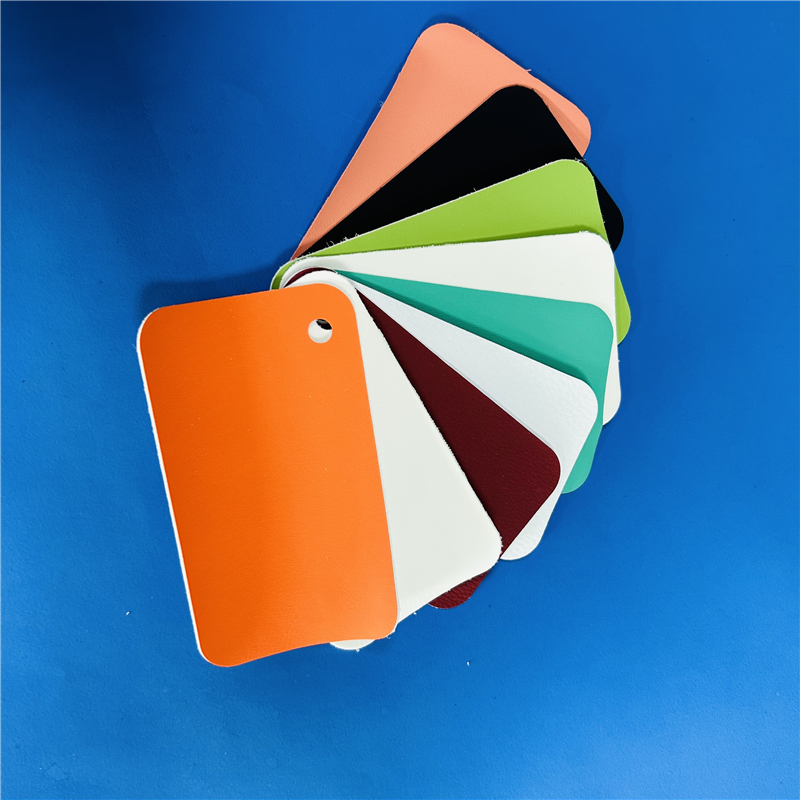
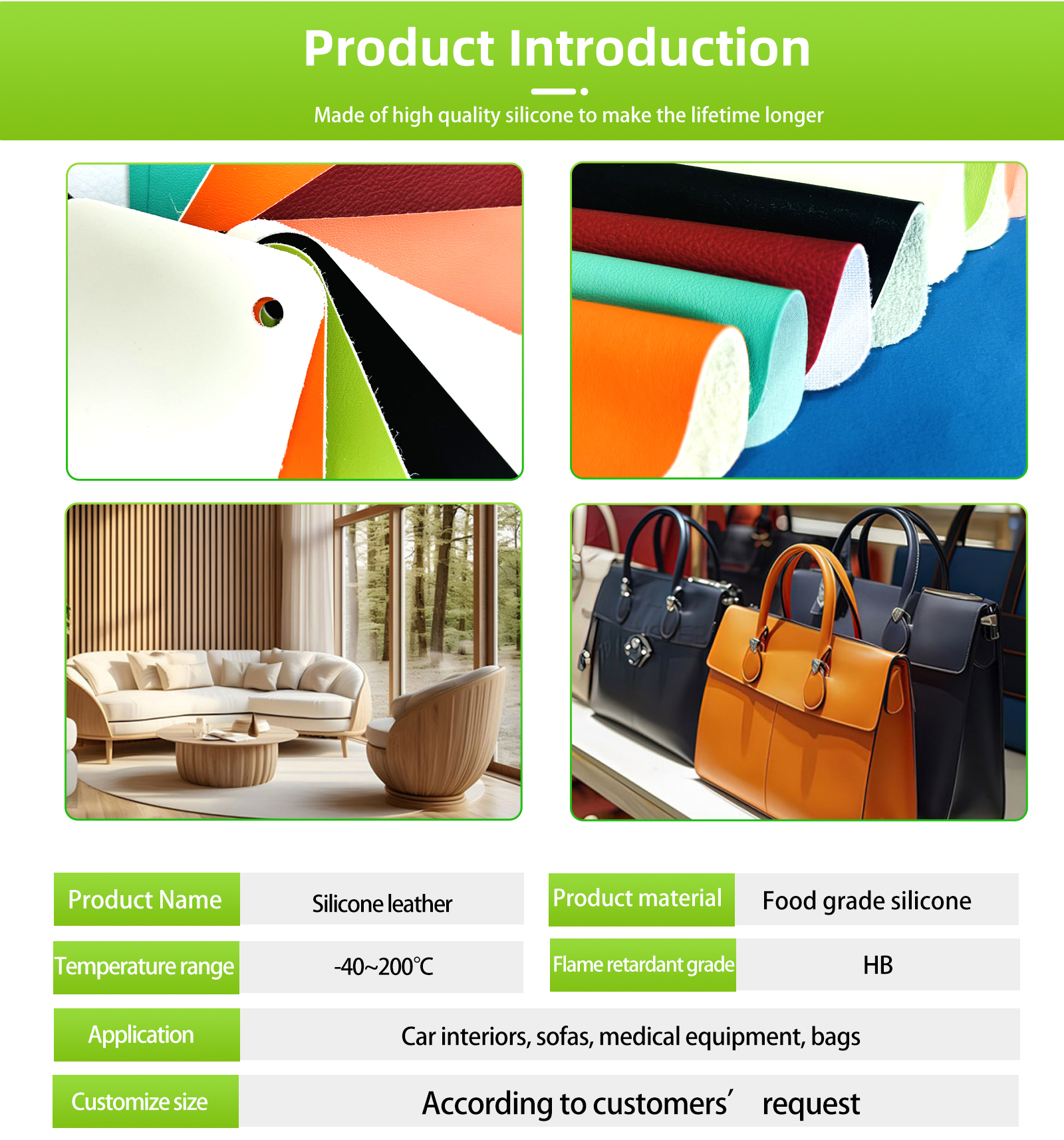
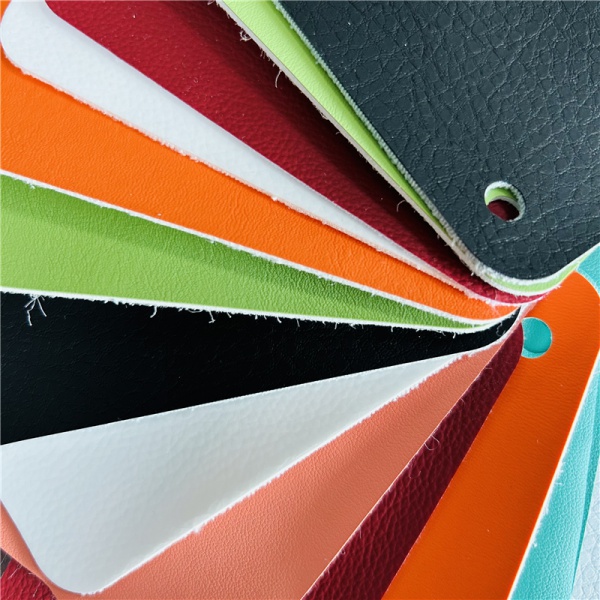
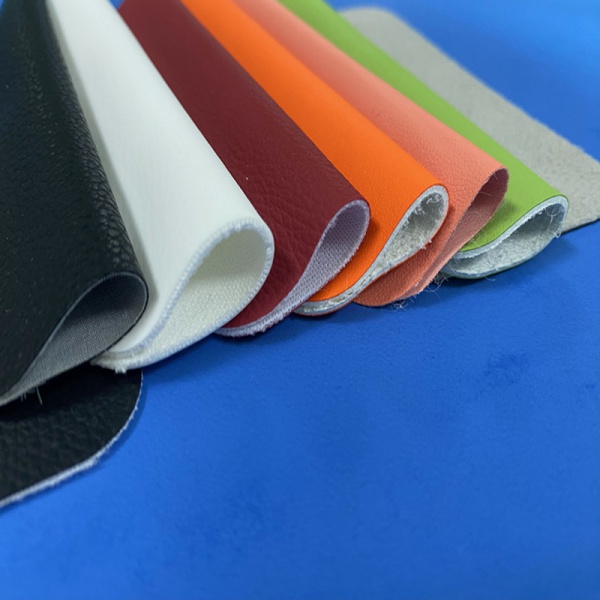
Beyond its technical benefits, silicone leather also excels in aesthetic versatility. Available in a wide range of colors, textures, and finishes, it allows designers to create custom interiors that reflect the yacht owner’s personality — from soft, matte finishes for understated elegance to high-gloss patterns for modern luxury.
Silicone leather’s surface texture closely mimics that of natural hide, providing a soft, luxurious touch without the maintenance burden of animal-based materials. It doesn’t absorb odor or oils, making it ideal for both indoor lounges and outdoor seating areas.
Sustainability at Sea
Yacht owners are increasingly prioritizing materials that minimize ecological impact without compromising quality. Traditional leather production involves tanning processes that consume large amounts of water and chemicals, while PVC leathers are derived from petrochemicals.
Silicone leather offers a cleaner, greener alternative. Its manufacturing process is solvent-free, emits no volatile organic compounds (VOCs), and generates minimal waste. It’s also recyclable and biocompatible, making it one of the most sustainable materials available for marine interiors today.
Choosing silicone leather is more than a design decision — it’s a statement about responsibility. It reflects a new yachting philosophy where comfort, performance, and environmental awareness coexist seamlessly.
Applications in Modern Yacht Design
Silicone leather is now widely used across various components of luxury boats, including:
- Cabin seating and lounges — where comfort, durability, and style converge.
- Helm seats and cockpit cushions — exposed to intense UV and heat.
- Wall panels and trim — adding refined aesthetics with easy maintenance.
- Sunbeds and deck furniture — benefiting from waterproof and fade-resistant performance.
In every case, silicone leather enhances both the visual sophistication and the functional resilience of the yacht’s interior and exterior spaces.
Conclusion: The Future of Sustainable Luxury
As the world of luxury yachting embraces sustainability, silicone leather has emerged as the perfect material to bridge modern design and ecological responsibility. Its combination of beauty, performance, and durability redefines what luxury can mean on the open sea.
From the captain’s chair to the sun deck, silicone leather embodies the evolution of marine materials — a testament to how technology can enhance not just comfort and aesthetics, but also environmental consciousness.
For designers and shipbuilders striving to create the next generation of sustainable luxury yachts, silicone leather is not just an option — it’s the future.
Author:
Dongguan Yutian Silicone Rubber Technology Co., Lt
0
Products Recommended





INQUIRY


Add Successfully
Sustainable Yachting: The Rise of Silicone Leather in Luxury Boats
Author:Dongguan Yutian Silicone Rubber Technology Co., Lt
Luxury yachting has always symbolized sophistication and exclusivity — but in recent years, the industry has entered a new era of environmental awareness. Owners, designers, and builders are seeking ways to merge elegance with eco-responsibility. One material that has quietly but powerfully reshaped marine design is silicone leather, a next-generation alternative to traditional leather that meets the extreme demands of life at sea while supporting sustainable innovation.
The Evolution of Marine Upholstery Materials
For decades, luxury boats and yachts relied on genuine leather and PVC-based synthetic fabrics for interior and exterior seating. While they offered aesthetic appeal, both came with notable drawbacks.
Genuine leather deteriorates under UV light and salt exposure, while PVC and PU leathers emit volatile compounds and degrade over time due to heat and humidity.
The marine environment — full of sunlight, moisture, and temperature fluctuations — demands something stronger. Silicone leather answers that call. Engineered from pure silicone and textile substrates, it is non-toxic, solvent-free, waterproof, and inherently UV resistant — a material built for both performance and sustainability.
Why Silicone Leather Is Ideal for Luxury Yachts
What makes silicone leather so revolutionary in marine upholstery is its balance of performance and environmental responsibility. Its unique molecular structure gives it properties that traditional materials simply cannot match:
- Exceptional UV Resistance: Prolonged sun exposure on open decks often causes fading and cracking in conventional materials. Silicone leather remains vibrant and flexible even after thousands of hours under UV light.
- Waterproof and Salt-Resistant: Unlike animal hide or PU leather, silicone leather repels water completely and resists corrosion from salt air and seawater.
- Temperature Stability: It maintains its texture and flexibility from -40°C to 200°C, ensuring comfort whether cruising the Mediterranean sun or sailing the Arctic wind.
- Eco-Friendly and VOC-Free: Silicone leather is produced without solvents, plasticizers, or heavy metals, meeting strict marine environmental standards and contributing to cleaner, safer interiors.
- Easy Maintenance: A quick wipe removes stains from sunscreen, oil, or seawater, maintaining a pristine surface with minimal care.
Elegance Meets Performance
Beyond its technical benefits, silicone leather also excels in aesthetic versatility. Available in a wide range of colors, textures, and finishes, it allows designers to create custom interiors that reflect the yacht owner’s personality — from soft, matte finishes for understated elegance to high-gloss patterns for modern luxury.
Silicone leather’s surface texture closely mimics that of natural hide, providing a soft, luxurious touch without the maintenance burden of animal-based materials. It doesn’t absorb odor or oils, making it ideal for both indoor lounges and outdoor seating areas.
Sustainability at Sea
Yacht owners are increasingly prioritizing materials that minimize ecological impact without compromising quality. Traditional leather production involves tanning processes that consume large amounts of water and chemicals, while PVC leathers are derived from petrochemicals.
Silicone leather offers a cleaner, greener alternative. Its manufacturing process is solvent-free, emits no volatile organic compounds (VOCs), and generates minimal waste. It’s also recyclable and biocompatible, making it one of the most sustainable materials available for marine interiors today.
Choosing silicone leather is more than a design decision — it’s a statement about responsibility. It reflects a new yachting philosophy where comfort, performance, and environmental awareness coexist seamlessly.
Applications in Modern Yacht Design
Silicone leather is now widely used across various components of luxury boats, including:
- Cabin seating and lounges — where comfort, durability, and style converge.
- Helm seats and cockpit cushions — exposed to intense UV and heat.
- Wall panels and trim — adding refined aesthetics with easy maintenance.
- Sunbeds and deck furniture — benefiting from waterproof and fade-resistant performance.
In every case, silicone leather enhances both the visual sophistication and the functional resilience of the yacht’s interior and exterior spaces.
Conclusion: The Future of Sustainable Luxury
As the world of luxury yachting embraces sustainability, silicone leather has emerged as the perfect material to bridge modern design and ecological responsibility. Its combination of beauty, performance, and durability redefines what luxury can mean on the open sea.
From the captain’s chair to the sun deck, silicone leather embodies the evolution of marine materials — a testament to how technology can enhance not just comfort and aesthetics, but also environmental consciousness.
For designers and shipbuilders striving to create the next generation of sustainable luxury yachts, silicone leather is not just an option — it’s the future.









Products Recommended
INQUIRY
Add Successfully
Products Recommended
Products Recommended
INQUIRY
Add Successfully
 Brown Di
 Brown Di