

Demand Submission
Please leave us a message and we will contact you within 24 hours
APPLICATION
Our silicone products are used in all walks of life
APPLICATION
Our silicone products are used in all walks of life
Silicone Leather in Aircraft Cabins: Safety, Comfort, and Longevity Combined
2025-11-02 22:44:30
Click:
“
Silicone leather is revolutionizing aircraft interiors with its fire resistance, comfort, and durability. As airlines seek safer and more sustainable materials, aviation-grade silicone leather offers unmatched performance and longevity, setting new standards for modern cabin design and passenger experience.
”
The aviation industry has always been defined by precision, innovation, and safety. Every material used in an aircraft cabin must meet stringent performance requirements while contributing to a comfortable and aesthetically pleasing passenger experience. In this pursuit, silicone leather has emerged as a breakthrough material — combining fire resistance, environmental safety, and luxurious comfort in one sustainable package.
The Shift Toward Advanced Cabin Materials
Traditionally, aircraft interiors relied heavily on genuine leather or PVC-based synthetic fabrics for seating and trim. While these materials offered a premium appearance, they came with limitations: natural leather was prone to cracking and fading, while PVC-based materials released volatile organic compounds (VOCs) and had limited fire resistance.
Today, as airlines face increasing demands for safety compliance, sustainability, and cost efficiency, aviation-grade silicone leather is rapidly replacing traditional options. Engineered from high-purity silicone and advanced textile substrates, it delivers superior performance under the most demanding flight conditions — from scorching ground heat to subzero altitudes.
Unmatched Fire Safety and Certification Compliance
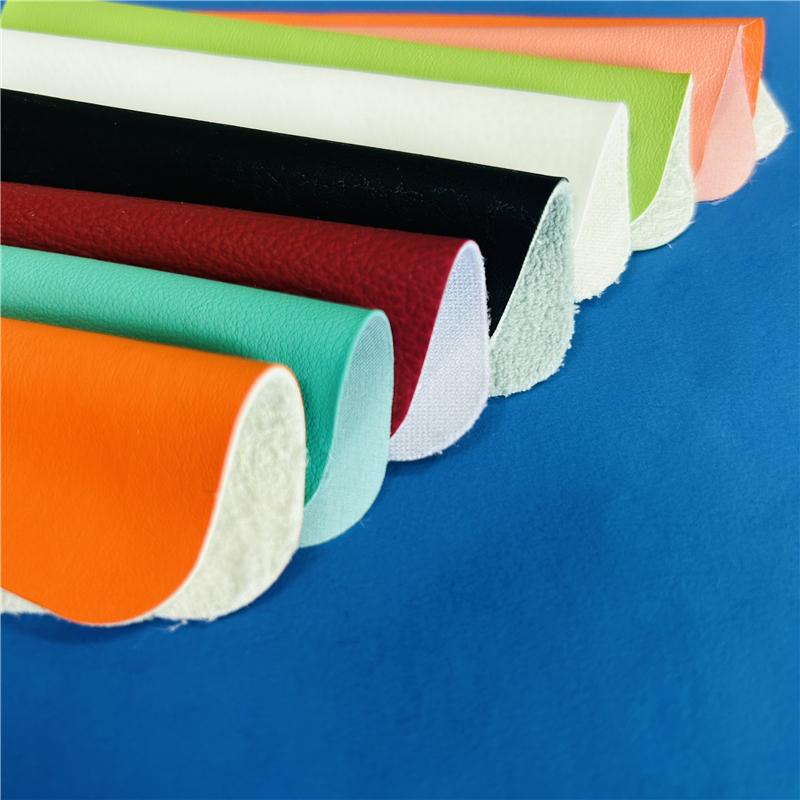
Safety remains the cornerstone of aviation design. One of silicone leather’s greatest advantages is its inherent flame-retardant nature. Unlike PVC or PU materials that require chemical flame retardants, silicone leather naturally resists ignition and does not produce toxic smoke when exposed to fire.
Aviation-grade silicone leather meets the most rigorous international standards, including:
- FAR 25.853 flammability certification for aircraft interiors
- Low smoke and toxicity ratings for enhanced passenger safety
- Heat and aging resistance, ensuring consistent performance throughout long service life
This makes silicone leather an ideal material for aircraft seats, wall panels, and headrests — all of which must withstand strict safety tests before certification.
Comfort Meets Durability in the Sky
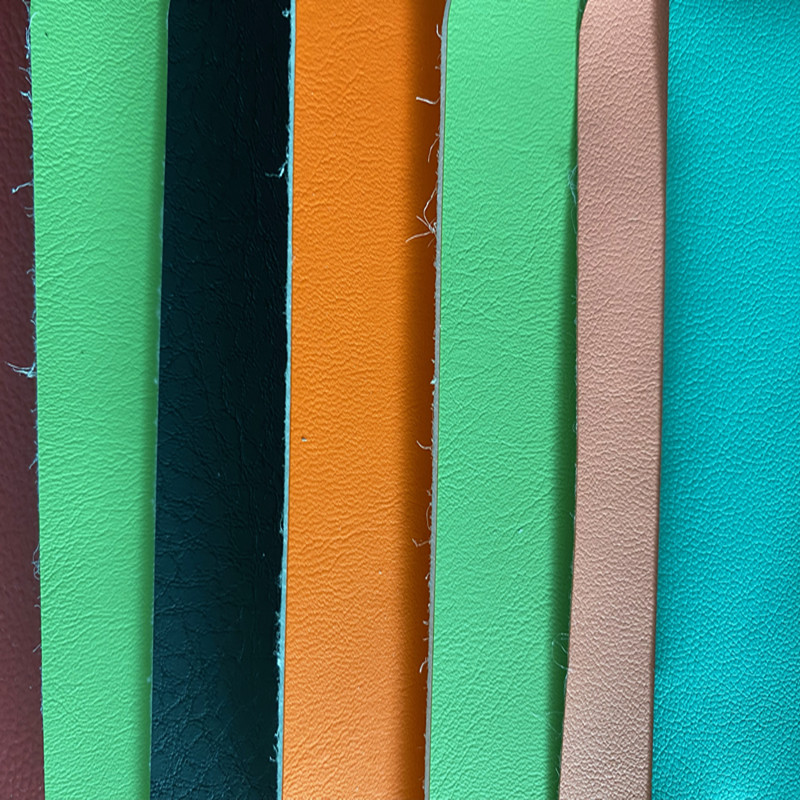
While safety is essential, passenger comfort is equally important. Silicone leather offers a soft, supple, and temperature-stable surface that enhances the passenger experience during long-haul flights. Unlike vinyl or traditional leather, it does not harden or become sticky with temperature changes.
The material’s high elasticity ensures it maintains its shape and smoothness even after millions of compression cycles — a crucial advantage for aircraft seating. Its anti-static and anti-slip surface provides an additional level of comfort and practicality for daily use.
Moreover, silicone leather is resistant to stains, sweat, and cleaning agents, making it easy to maintain even under heavy turnover. Airlines benefit from reduced maintenance costs and extended product lifespans, while passengers enjoy consistent comfort flight after flight.
Sustainability at Altitude
Modern aviation is increasingly focused on reducing its environmental impact, and cabin materials are a critical part of this transformation. Silicone leather aligns perfectly with this mission.
Unlike animal leather, its production requires no tanning chemicals or heavy metals. And unlike PU or PVC leathers, it’s solvent-free, VOC-free, and recyclable. The manufacturing process generates minimal emissions, making it one of the most eco-friendly upholstery materials available in aviation today.
Silicone leather also contributes to lightweight cabin design, which can improve overall fuel efficiency — another key sustainability factor for airlines seeking to lower carbon emissions.
Designed for Long-Term Performance
Aircraft materials must endure intense cycles of use, cleaning, and environmental stress. Silicone leather’s exceptional durability ensures it remains intact through years of service. It resists fading, cracking, and peeling, even after long exposure to sunlight, disinfectants, and fluctuating cabin pressures.
Tests show that silicone leather can retain its mechanical integrity for over 10 years, making it one of the most cost-effective choices for airlines looking to balance longevity with luxury. Its resistance to bacteria and mildew also supports stricter hygiene standards in modern cabin environments.
Applications Across Aircraft Interiors
Silicone leather’s versatility allows it to be used throughout the cabin:
- Passenger seats and headrests – for premium comfort and resilience
- Cockpit seating – requiring anti-slip, flame-retardant performance
- Wall and ceiling panels – combining aesthetic appeal with safety
- Armrests, trim, and door panels – ensuring a cohesive, durable interior finish
In both commercial and private aircraft, silicone leather provides a seamless blend of safety, elegance, and practicality.
Conclusion: The Future of Aviation Upholstery
As the aviation industry continues to evolve, the demand for materials that combine safety, sustainability, and sophistication has never been greater. Silicone leather embodies this new standard. Its flame resistance ensures passenger safety, its eco-friendly composition supports global sustainability goals, and its luxurious feel elevates the cabin experience.
From first-class lounges to cockpit seats, silicone leather represents the future of aircraft interiors — a material that performs at altitude without compromising on comfort, aesthetics, or environmental responsibility.
In the next generation of aviation design, silicone leather isn’t just an alternative — it’s the benchmark.
Author:
Dongguan Yutian Silicone Rubber Technology Co., Lt
0
Products Recommended





INQUIRY


Add Successfully
Silicone Leather in Aircraft Cabins: Safety, Comfort, and Longevity Combined
Author:Dongguan Yutian Silicone Rubber Technology Co., Lt
The aviation industry has always been defined by precision, innovation, and safety. Every material used in an aircraft cabin must meet stringent performance requirements while contributing to a comfortable and aesthetically pleasing passenger experience. In this pursuit, silicone leather has emerged as a breakthrough material — combining fire resistance, environmental safety, and luxurious comfort in one sustainable package.
The Shift Toward Advanced Cabin Materials
Traditionally, aircraft interiors relied heavily on genuine leather or PVC-based synthetic fabrics for seating and trim. While these materials offered a premium appearance, they came with limitations: natural leather was prone to cracking and fading, while PVC-based materials released volatile organic compounds (VOCs) and had limited fire resistance.
Today, as airlines face increasing demands for safety compliance, sustainability, and cost efficiency, aviation-grade silicone leather is rapidly replacing traditional options. Engineered from high-purity silicone and advanced textile substrates, it delivers superior performance under the most demanding flight conditions — from scorching ground heat to subzero altitudes.
Unmatched Fire Safety and Certification Compliance
Safety remains the cornerstone of aviation design. One of silicone leather’s greatest advantages is its inherent flame-retardant nature. Unlike PVC or PU materials that require chemical flame retardants, silicone leather naturally resists ignition and does not produce toxic smoke when exposed to fire.
Aviation-grade silicone leather meets the most rigorous international standards, including:
- FAR 25.853 flammability certification for aircraft interiors
- Low smoke and toxicity ratings for enhanced passenger safety
- Heat and aging resistance, ensuring consistent performance throughout long service life
This makes silicone leather an ideal material for aircraft seats, wall panels, and headrests — all of which must withstand strict safety tests before certification.
Comfort Meets Durability in the Sky
While safety is essential, passenger comfort is equally important. Silicone leather offers a soft, supple, and temperature-stable surface that enhances the passenger experience during long-haul flights. Unlike vinyl or traditional leather, it does not harden or become sticky with temperature changes.
The material’s high elasticity ensures it maintains its shape and smoothness even after millions of compression cycles — a crucial advantage for aircraft seating. Its anti-static and anti-slip surface provides an additional level of comfort and practicality for daily use.
Moreover, silicone leather is resistant to stains, sweat, and cleaning agents, making it easy to maintain even under heavy turnover. Airlines benefit from reduced maintenance costs and extended product lifespans, while passengers enjoy consistent comfort flight after flight.
Sustainability at Altitude
Modern aviation is increasingly focused on reducing its environmental impact, and cabin materials are a critical part of this transformation. Silicone leather aligns perfectly with this mission.
Unlike animal leather, its production requires no tanning chemicals or heavy metals. And unlike PU or PVC leathers, it’s solvent-free, VOC-free, and recyclable. The manufacturing process generates minimal emissions, making it one of the most eco-friendly upholstery materials available in aviation today.
Silicone leather also contributes to lightweight cabin design, which can improve overall fuel efficiency — another key sustainability factor for airlines seeking to lower carbon emissions.
Designed for Long-Term Performance
Aircraft materials must endure intense cycles of use, cleaning, and environmental stress. Silicone leather’s exceptional durability ensures it remains intact through years of service. It resists fading, cracking, and peeling, even after long exposure to sunlight, disinfectants, and fluctuating cabin pressures.
Tests show that silicone leather can retain its mechanical integrity for over 10 years, making it one of the most cost-effective choices for airlines looking to balance longevity with luxury. Its resistance to bacteria and mildew also supports stricter hygiene standards in modern cabin environments.
Applications Across Aircraft Interiors
Silicone leather’s versatility allows it to be used throughout the cabin:
- Passenger seats and headrests – for premium comfort and resilience
- Cockpit seating – requiring anti-slip, flame-retardant performance
- Wall and ceiling panels – combining aesthetic appeal with safety
- Armrests, trim, and door panels – ensuring a cohesive, durable interior finish
In both commercial and private aircraft, silicone leather provides a seamless blend of safety, elegance, and practicality.
Conclusion: The Future of Aviation Upholstery
As the aviation industry continues to evolve, the demand for materials that combine safety, sustainability, and sophistication has never been greater. Silicone leather embodies this new standard. Its flame resistance ensures passenger safety, its eco-friendly composition supports global sustainability goals, and its luxurious feel elevates the cabin experience.
From first-class lounges to cockpit seats, silicone leather represents the future of aircraft interiors — a material that performs at altitude without compromising on comfort, aesthetics, or environmental responsibility.
In the next generation of aviation design, silicone leather isn’t just an alternative — it’s the benchmark.









Products Recommended
INQUIRY
Add Successfully
Products Recommended
Products Recommended
INQUIRY
Add Successfully
 Brown Di
 Brown Di