

Demand Submission
Please leave us a message and we will contact you within 24 hours
NEWS CENTER
A variety of production processes, research and development, production, sales integration
NEWS CENTER
A variety of production processes, research and development, production, sales integration
Silicone Cold Shrink Tubes vs Heat Shrink Tubes in Electrical Applications
Time: 2025-12-23 00:30:19
Author: Dongguan Yutian Silicone Rubber Technology Co., Lt
Click:
This article explains the technical differences between silicone cold shrink tubes and heat shrink tubes in electrical applications. It highlights insulation behavior, installation methods, and durability, with special focus on silicone cold shrink tubing capable of withstanding up to 10 kV electrical stress in power cable systems.
Introduction
In modern electrical systems, cable insulation and environmental sealing are critical for ensuring long-term safety and reliability. Among commonly used cable protection products, silicone cold shrink tubes and heat shrink tubes are two widely adopted solutions. While both are designed to provide insulation, sealing, and mechanical protection, their working principles, material behavior, and performance characteristics differ significantly.
Understanding these differences is essential when selecting the right solution for power cables, control cables, and electrical joints—especially in applications requiring stable insulation performance, simplified installation, and reliable voltage resistance, such as systems operating up to 10 kV.
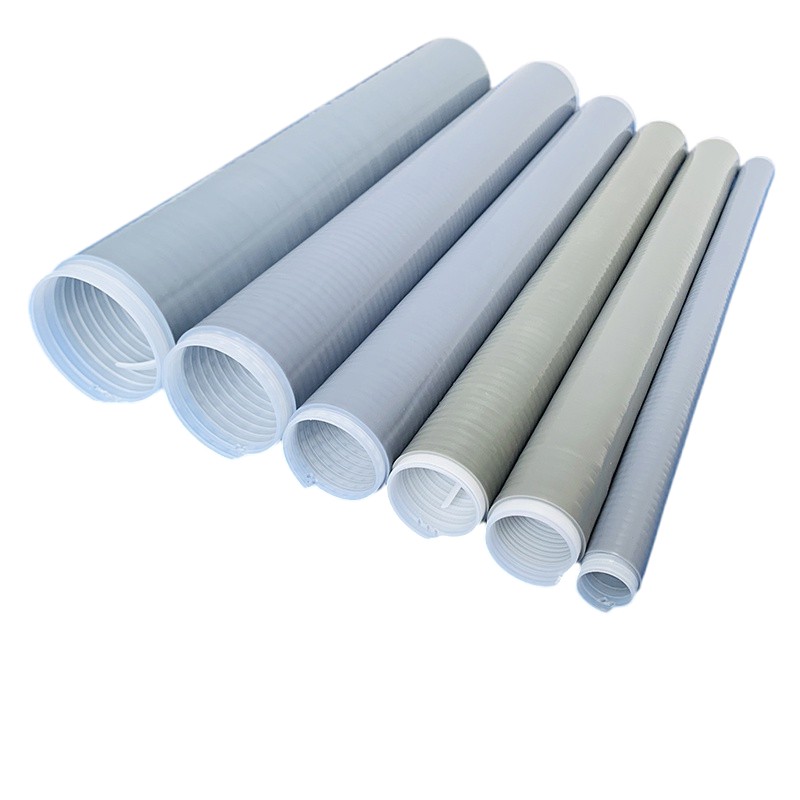
Basic Working Principles of Cold Shrink and Heat Shrink Tubes
A heat shrink tube relies on thermal energy to function. During installation, the tube is heated using a hot air gun or flame, causing it to shrink tightly around the cable. The shrinkage depends on controlled heat input, surface temperature, and operator technique.
In contrast, a silicone cold shrink tube is pre-expanded during manufacturing and supported by a removable inner core. Once the core is pulled out, the tube shrinks automatically due to the elastic recovery of the silicone material. No heat, flame, or special tools are required. This difference in installation principle directly influences performance consistency and field reliability.
Material Behavior and Insulation Performance
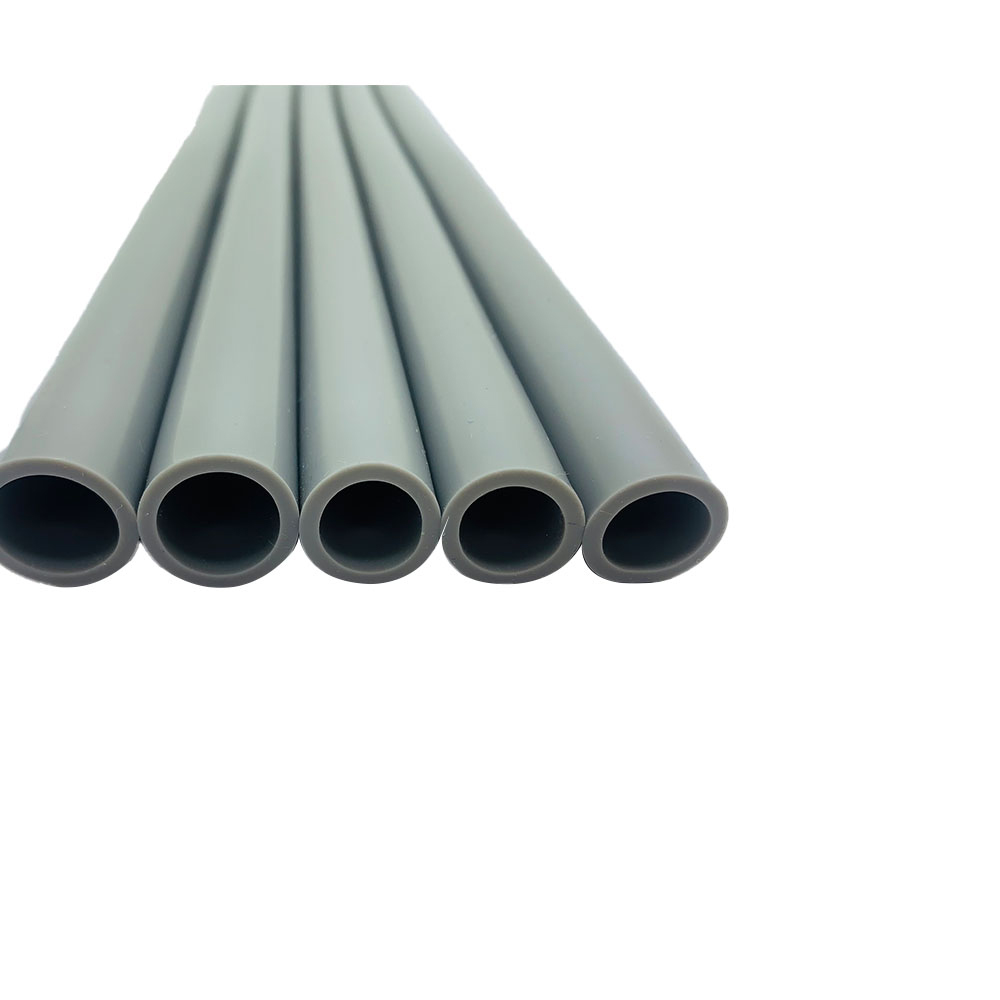
One of the key advantages of a silicone cold shrink insulation tube lies in the inherent properties of silicone rubber. Silicone exhibits excellent elasticity, thermal stability, and dielectric strength over a wide temperature range.
In properly designed products, silicone cold shrink tubes can withstand electrical voltages up to 5 kV, making them suitable for low- to medium-voltage electrical insulation tasks. The uniform radial pressure generated during cold shrink recovery ensures consistent wall thickness and intimate contact with the cable surface, which helps maintain stable insulation performance over time.
Heat shrink tubes, while also offering good dielectric properties, may be more sensitive to uneven heating. Insufficient or excessive heat can result in incomplete shrinkage, local thinning, or surface damage, potentially affecting long-term insulation reliability.
Installation Reliability and Field Conditions
Installation conditions often determine product selection in real electrical projects. Heat shrink tubing requires power supply, heating tools, and adequate space. In confined areas or hazardous environments, the use of open flame or hot air can introduce safety concerns.
Silicone cold shrink tubing eliminates these risks entirely. Installation is fast, repeatable, and independent of environmental conditions. This makes cold shrink tubing for power cables especially suitable for field installations, maintenance work, and emergency repairs. The absence of heat also prevents thermal stress on sensitive cable insulation layers.
Sealing Performance and Environmental Resistance
Beyond electrical insulation, sealing against moisture and contaminants is another important requirement. Silicone cold shrink tubes provide continuous radial pressure that adapts to minor dimensional variations in cables, connectors, or joints. This results in reliable sealing against water ingress, dust, and humidity.
Silicone materials also demonstrate strong resistance to UV exposure, ozone, and aging. As a result, silicone cold shrink cable protection maintains flexibility and insulation performance even after long-term outdoor exposure. Heat shrink tubes may harden or crack over time, particularly when exposed to temperature cycling and environmental stress.
Electrical Safety and Long-Term Stability
In applications involving voltages up to 10 kV, insulation stability over time is critical. Silicone cold shrink tubes maintain constant compression without relying on adhesives or thermal bonding. This mechanical stability reduces the risk of insulation gaps forming during thermal expansion and contraction cycles.
Heat shrink tubes, while effective in many applications, may gradually lose contact pressure if material relaxation occurs or if initial shrink quality is inconsistent. For systems requiring predictable electrical performance, cold shrink technology often provides greater long-term confidence.
Conclusion
Both silicone cold shrink tubes and heat shrink tubes play important roles in electrical cable protection. Heat shrink tubing remains a practical solution for controlled environments and factory installations. However, when installation reliability, environmental resistance, and stable insulation performance up to 10 kV are required, silicone cold shrink tubes offer clear technical advantages.
By combining elastic recovery, consistent radial pressure, and durable silicone material properties, cold shrink tubing provides a dependable solution for modern electrical applications where safety, efficiency, and long-term reliability are essential.

点击右上角
分享给朋友吧







 Long by picture save/share
0
Popular
-
top Colored Silicone Tube: Production Process and How to Choose
-
top Enhancing the Lifespan of High-Temperature Silicone Tubes in...
-
top Introducing the Innovative Foam Silicone Tube: A High-Perfor...
-
The evolution and future of silicone material: a panoramic a...
-
Dongguan Yutian Silicone Rubber Technology Co., Ltd. Unveils...
-
Understanding the Causes of Bending and Clogging in Food-Gra...
-
Explore Cutting-Edge Silicone Solutions with Dongguan Yutian...
-
Dongguan Yutian Successfully Showcases Innovative Medical Si...
Latest Products







Message
Hi!If you are looking for custom-made silicone rubber products, feel free to ask me any questions.
Silicone Cold Shrink Tubes vs Heat Shrink Tubes in Electrical Applications
Author:Dongguan Yutian Silicone Rubber Technology Co., Lt
Click:
Time:2025-12-23 00:30:19
Introduction
In modern electrical systems, cable insulation and environmental sealing are critical for ensuring long-term safety and reliability. Among commonly used cable protection products, silicone cold shrink tubes and heat shrink tubes are two widely adopted solutions. While both are designed to provide insulation, sealing, and mechanical protection, their working principles, material behavior, and performance characteristics differ significantly.
Understanding these differences is essential when selecting the right solution for power cables, control cables, and electrical joints—especially in applications requiring stable insulation performance, simplified installation, and reliable voltage resistance, such as systems operating up to 10 kV.
Basic Working Principles of Cold Shrink and Heat Shrink Tubes
A heat shrink tube relies on thermal energy to function. During installation, the tube is heated using a hot air gun or flame, causing it to shrink tightly around the cable. The shrinkage depends on controlled heat input, surface temperature, and operator technique.
In contrast, a silicone cold shrink tube is pre-expanded during manufacturing and supported by a removable inner core. Once the core is pulled out, the tube shrinks automatically due to the elastic recovery of the silicone material. No heat, flame, or special tools are required. This difference in installation principle directly influences performance consistency and field reliability.
Material Behavior and Insulation Performance
One of the key advantages of a silicone cold shrink insulation tube lies in the inherent properties of silicone rubber. Silicone exhibits excellent elasticity, thermal stability, and dielectric strength over a wide temperature range.
In properly designed products, silicone cold shrink tubes can withstand electrical voltages up to 5 kV, making them suitable for low- to medium-voltage electrical insulation tasks. The uniform radial pressure generated during cold shrink recovery ensures consistent wall thickness and intimate contact with the cable surface, which helps maintain stable insulation performance over time.
Heat shrink tubes, while also offering good dielectric properties, may be more sensitive to uneven heating. Insufficient or excessive heat can result in incomplete shrinkage, local thinning, or surface damage, potentially affecting long-term insulation reliability.
Installation Reliability and Field Conditions
Installation conditions often determine product selection in real electrical projects. Heat shrink tubing requires power supply, heating tools, and adequate space. In confined areas or hazardous environments, the use of open flame or hot air can introduce safety concerns.
Silicone cold shrink tubing eliminates these risks entirely. Installation is fast, repeatable, and independent of environmental conditions. This makes cold shrink tubing for power cables especially suitable for field installations, maintenance work, and emergency repairs. The absence of heat also prevents thermal stress on sensitive cable insulation layers.
Sealing Performance and Environmental Resistance
Beyond electrical insulation, sealing against moisture and contaminants is another important requirement. Silicone cold shrink tubes provide continuous radial pressure that adapts to minor dimensional variations in cables, connectors, or joints. This results in reliable sealing against water ingress, dust, and humidity.
Silicone materials also demonstrate strong resistance to UV exposure, ozone, and aging. As a result, silicone cold shrink cable protection maintains flexibility and insulation performance even after long-term outdoor exposure. Heat shrink tubes may harden or crack over time, particularly when exposed to temperature cycling and environmental stress.
Electrical Safety and Long-Term Stability
In applications involving voltages up to 10 kV, insulation stability over time is critical. Silicone cold shrink tubes maintain constant compression without relying on adhesives or thermal bonding. This mechanical stability reduces the risk of insulation gaps forming during thermal expansion and contraction cycles.
Heat shrink tubes, while effective in many applications, may gradually lose contact pressure if material relaxation occurs or if initial shrink quality is inconsistent. For systems requiring predictable electrical performance, cold shrink technology often provides greater long-term confidence.
Conclusion
Both silicone cold shrink tubes and heat shrink tubes play important roles in electrical cable protection. Heat shrink tubing remains a practical solution for controlled environments and factory installations. However, when installation reliability, environmental resistance, and stable insulation performance up to 10 kV are required, silicone cold shrink tubes offer clear technical advantages.
By combining elastic recovery, consistent radial pressure, and durable silicone material properties, cold shrink tubing provides a dependable solution for modern electrical applications where safety, efficiency, and long-term reliability are essential.
点击右上角
分享给朋友吧
Long by picture save/share
0
Popular
Popular
Popular
Popular
-
top Colored Silicone Tube: Production Process and How to Choose
-
top Enhancing the Lifespan of High-Temperature Silicone Tubes in...
-
top Introducing the Innovative Foam Silicone Tube: A High-Perfor...
-
The evolution and future of silicone material: a panoramic a...
-
Dongguan Yutian Silicone Rubber Technology Co., Ltd. Unveils...
-
Understanding the Causes of Bending and Clogging in Food-Gra...
-
Explore Cutting-Edge Silicone Solutions with Dongguan Yutian...
-
Dongguan Yutian Successfully Showcases Innovative Medical Si...
Latest Products
Message
 Brown Di
 Brown Di