

Demand Submission
Please leave us a message and we will contact you within 24 hours
NEWS CENTER
A variety of production processes, research and development, production, sales integration
NEWS CENTER
A variety of production processes, research and development, production, sales integration
The Production Process of Transforming Oven Silicone Sealing Strips into Square Silicone Seals
Time: 2024-11-24 22:53:59
Author: Dongguan Yutian Silicone Rubber Technology Co., Lt
Click:
This article outlines the transformation of oven silicone sealing strips into square silicone seals. The process involves extrusion, precise cutting, and robust bonding through secondary molding, ensuring high temperature resistance and durability. This method provides reliable sealing solutions, ideal for oven environments requiring large-diameter, high-performance silicone seals.
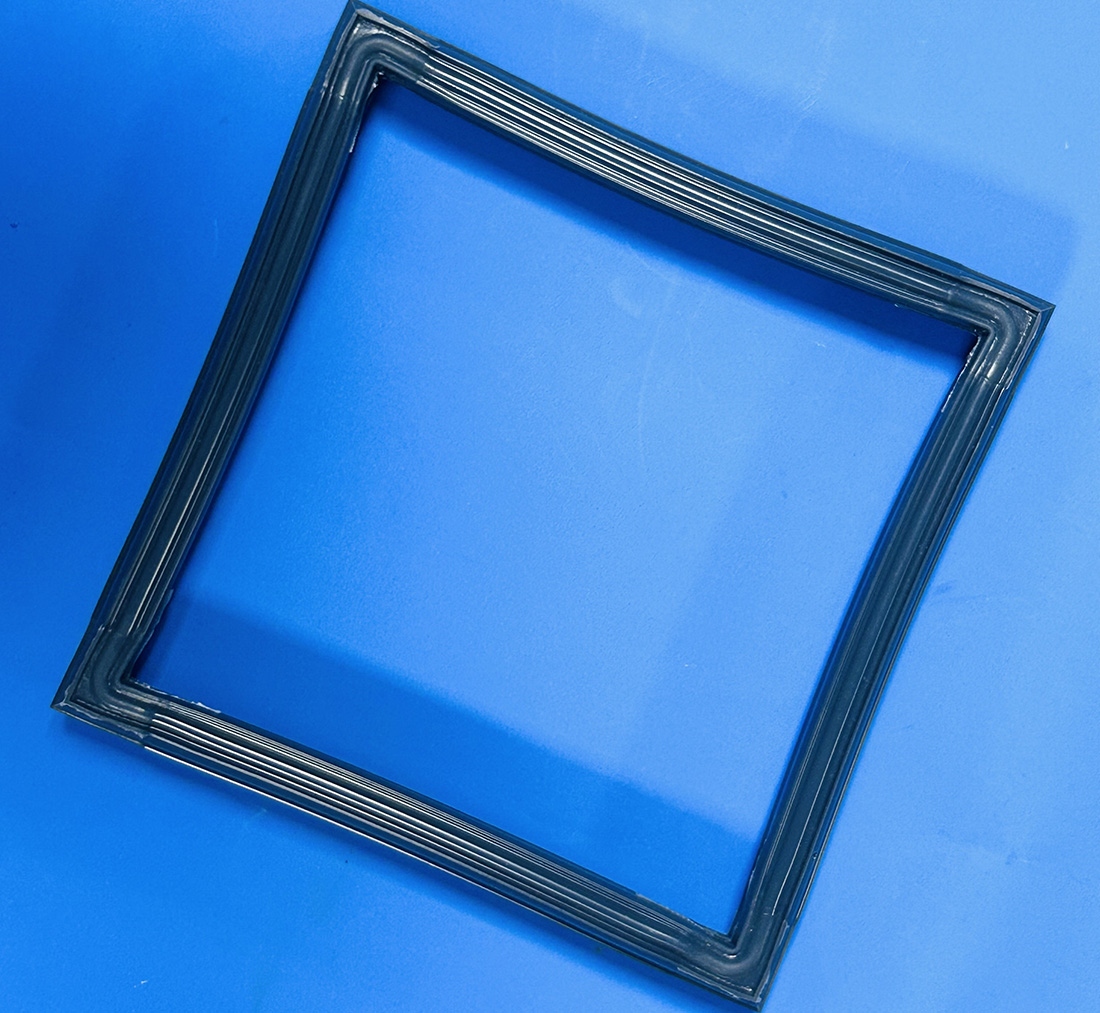
Oven doors often feature large, square silicone sealing strips that serve as effective seals. These large-diameter silicone sealing strips are transformed into silicone seals through a series of processes: extrusion, cutting, and bonding. Given the size of oven seals, standard bonding machines may be insufficient, leading to weak bonds that can easily break. The bonding process for oven seals involves a 90-degree angle, differing from conventional right-angle bonding processes. Here’s a detailed look at how these silicone seals are manufactured.
Extrusion Process of Oven Silicone Sealing Strips
Oven frames and other high-temperature environments require robust sealing to prevent gas leaks. These seals need to withstand temperatures from -40°C to 300°C. Silicone materials are well-suited for this purpose due to their excellent sealing capabilities and high-temperature resistance. Oven silicone seals are made from high-temperature resistant rubber compounds using platinum or peroxide vulcanization extrusion processes. Unlike conventional silicone rubber, which can only withstand up to 200°C, these special compounds are designed to endure up to 300°C, making them ideal for ovens.
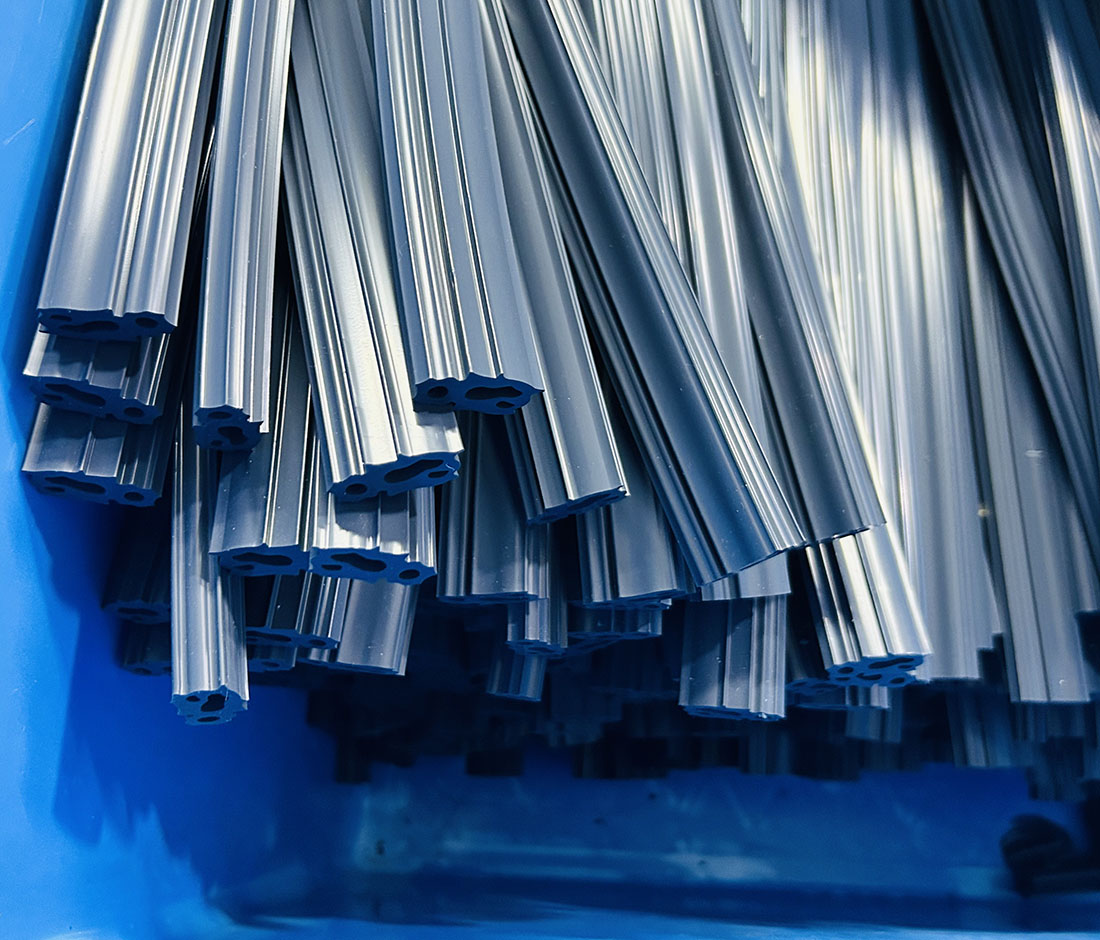
During extrusion, the cross-section of the high-temperature silicone strip can be customized. The silicone material is extruded through a mold and cured in a high-temperature tunnel. Some processes might involve a secondary vulcanization step in a tunnel oven, which gives the final product a smoother, more consistent finish without the belt marks common in simpler extrusion processes. Dongguan Yutian’s process involves platinum extrusion followed by tunnel and oven curing, avoiding belt marks and ensuring a pristine finish.
Cutting Process of Oven Silicone Sealing Strips
Extruded silicone sealing strips are theoretically infinite in length and need to be cut to fit the oven doors’ dimensions. The cutting process can involve straight cuts or 45-degree angled cuts. Straight cuts maximize the surface area for bonding, distributing stress more evenly and ensuring a stronger bond.
Cutting can be automated, pneumatic, or manual, depending on the size and hardness of the strips. Larger or heavier strips are automatically cut to improve efficiency, while smaller or softer strips are cut using pneumatic machines to prevent static friction and stretching. Manual cutting is used for complex cross-sections requiring high precision. Each method has its advantages, depending on the product requirements.
Bonding Process of Oven Silicone Sealing Strips
Each joint in an oven silicone seal must withstand significant tensile forces. Traditional glue may not provide the required strength, making it necessary to use secondary molding for bonding. This involves preparing molds and using a hydraulic press to mold the seal at each corner to a 90-degree angle.
Using high-temperature silicone, the strips are bonded using industry-standard practices, also known as patch bonding or secondary vulcanization molding. The hydraulic press compresses the silicone into the mold, vulcanizing it into the desired shape and integrating it seamlessly with the existing strip. This method ensures that the corners of the seal match the integrity of the rest of the strip, providing uniform performance and durability.
The process concludes with trimming any excess material from the mold lines, resulting in a high-quality, square silicone seal that is consistent with the original strip's performance.
Conclusion
The transformation from silicone strips to square seals involves extrusion, cutting, and bonding, with the latter process being critical for ensuring durability and strength. Although secondary molding takes longer than other bonding methods, it provides a seal that matches the tensile strength and temperature resistance of the original material. This ensures that the seal can withstand the high-pressure demands of its intended application, making it an ideal choice for oven manufacturers seeking reliable sealing solutions.

点击右上角
分享给朋友吧







 Long by picture save/share
0
Popular
-
top Colored Silicone Tube: Production Process and How to Choose
-
top Enhancing the Lifespan of High-Temperature Silicone Tubes in...
-
top Introducing the Innovative Foam Silicone Tube: A High-Perfor...
-
The evolution and future of silicone material: a panoramic a...
-
Dongguan Yutian Silicone Rubber Technology Co., Ltd. Unveils...
-
Understanding the Causes of Bending and Clogging in Food-Gra...
-
Explore Cutting-Edge Silicone Solutions with Dongguan Yutian...
-
Dongguan Yutian Successfully Showcases Innovative Medical Si...
Latest Products







Message
Hi!If you are looking for custom-made silicone rubber products, feel free to ask me any questions.
The Production Process of Transforming Oven Silicone Sealing Strips into Square Silicone Seals
Author:Dongguan Yutian Silicone Rubber Technology Co., Lt
Click:
Time:2024-11-24 22:53:59
Oven doors often feature large, square silicone sealing strips that serve as effective seals. These large-diameter silicone sealing strips are transformed into silicone seals through a series of processes: extrusion, cutting, and bonding. Given the size of oven seals, standard bonding machines may be insufficient, leading to weak bonds that can easily break. The bonding process for oven seals involves a 90-degree angle, differing from conventional right-angle bonding processes. Here’s a detailed look at how these silicone seals are manufactured.
Extrusion Process of Oven Silicone Sealing Strips
Oven frames and other high-temperature environments require robust sealing to prevent gas leaks. These seals need to withstand temperatures from -40°C to 300°C. Silicone materials are well-suited for this purpose due to their excellent sealing capabilities and high-temperature resistance. Oven silicone seals are made from high-temperature resistant rubber compounds using platinum or peroxide vulcanization extrusion processes. Unlike conventional silicone rubber, which can only withstand up to 200°C, these special compounds are designed to endure up to 300°C, making them ideal for ovens.
During extrusion, the cross-section of the high-temperature silicone strip can be customized. The silicone material is extruded through a mold and cured in a high-temperature tunnel. Some processes might involve a secondary vulcanization step in a tunnel oven, which gives the final product a smoother, more consistent finish without the belt marks common in simpler extrusion processes. Dongguan Yutian’s process involves platinum extrusion followed by tunnel and oven curing, avoiding belt marks and ensuring a pristine finish.
Cutting Process of Oven Silicone Sealing Strips
Extruded silicone sealing strips are theoretically infinite in length and need to be cut to fit the oven doors’ dimensions. The cutting process can involve straight cuts or 45-degree angled cuts. Straight cuts maximize the surface area for bonding, distributing stress more evenly and ensuring a stronger bond.
Cutting can be automated, pneumatic, or manual, depending on the size and hardness of the strips. Larger or heavier strips are automatically cut to improve efficiency, while smaller or softer strips are cut using pneumatic machines to prevent static friction and stretching. Manual cutting is used for complex cross-sections requiring high precision. Each method has its advantages, depending on the product requirements.
Bonding Process of Oven Silicone Sealing Strips
Each joint in an oven silicone seal must withstand significant tensile forces. Traditional glue may not provide the required strength, making it necessary to use secondary molding for bonding. This involves preparing molds and using a hydraulic press to mold the seal at each corner to a 90-degree angle.
Using high-temperature silicone, the strips are bonded using industry-standard practices, also known as patch bonding or secondary vulcanization molding. The hydraulic press compresses the silicone into the mold, vulcanizing it into the desired shape and integrating it seamlessly with the existing strip. This method ensures that the corners of the seal match the integrity of the rest of the strip, providing uniform performance and durability.
The process concludes with trimming any excess material from the mold lines, resulting in a high-quality, square silicone seal that is consistent with the original strip's performance.
Conclusion
The transformation from silicone strips to square seals involves extrusion, cutting, and bonding, with the latter process being critical for ensuring durability and strength. Although secondary molding takes longer than other bonding methods, it provides a seal that matches the tensile strength and temperature resistance of the original material. This ensures that the seal can withstand the high-pressure demands of its intended application, making it an ideal choice for oven manufacturers seeking reliable sealing solutions.
点击右上角
分享给朋友吧
Long by picture save/share
0
Popular
Popular
Popular
Popular
-
top Colored Silicone Tube: Production Process and How to Choose
-
top Enhancing the Lifespan of High-Temperature Silicone Tubes in...
-
top Introducing the Innovative Foam Silicone Tube: A High-Perfor...
-
The evolution and future of silicone material: a panoramic a...
-
Dongguan Yutian Silicone Rubber Technology Co., Ltd. Unveils...
-
Understanding the Causes of Bending and Clogging in Food-Gra...
-
Explore Cutting-Edge Silicone Solutions with Dongguan Yutian...
-
Dongguan Yutian Successfully Showcases Innovative Medical Si...
Latest Products
Message
 Brown Di
 Brown Di