

Demand Submission
Please leave us a message and we will contact you within 24 hours
NEWS CENTER
A variety of production processes, research and development, production, sales integration
NEWS CENTER
A variety of production processes, research and development, production, sales integration
Medical vs Industrial Peristaltic Pump Silicone Tubing: Key Differences That Matter
Time: 2026-02-02 01:05:24
Author: Dongguan Yutian Silicone Rubber Technology Co., Lt
Click:
This article explains the key differences between medical and industrial peristaltic pump silicone tubing. It focuses on material grade, biocompatibility, regulatory requirements, tubing life under compression, dimensional accuracy, and supply stability, helping medical device manufacturers select appropriate tubing for critical fluid transfer systems.
Silicone tubing is widely used in peristaltic pump systems across both medical and industrial applications. While medical and industrial peristaltic pump silicone tubing may appear similar at first glance, the selection criteria, material requirements, and performance expectations are fundamentally different.
Understanding these differences is essential for medical device manufacturers, where tubing performance directly affects patient safety, regulatory compliance, and long-term system reliability.
Application Environment and Risk Level
Industrial peristaltic pump tubing is typically used for transferring chemicals, water, slurries, or process fluids. In these applications, minor variations in tubing performance usually have limited downstream consequences.
By contrast, medical peristaltic pump silicone tubing is used in fluid pathways that may directly affect patient outcomes. This significantly higher risk level drives much stricter material, performance, and documentation requirements.
Material Grade and Biocompatibility
Industrial silicone tubing is commonly manufactured using general-purpose or peroxide-cured silicone compounds. While suitable for many industrial processes, these materials may contain higher levels of extractables and residual by-products.
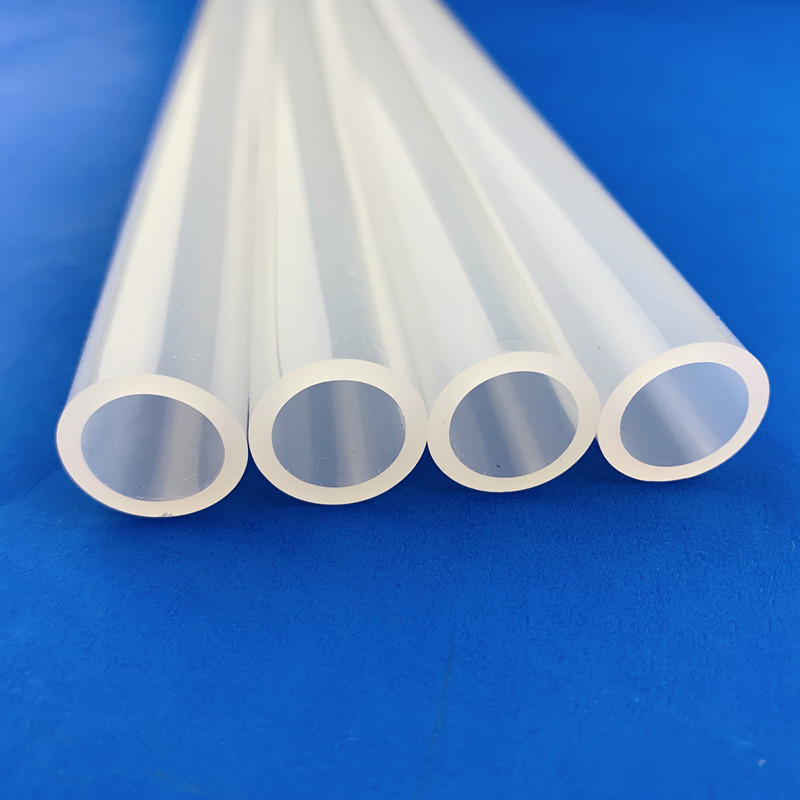
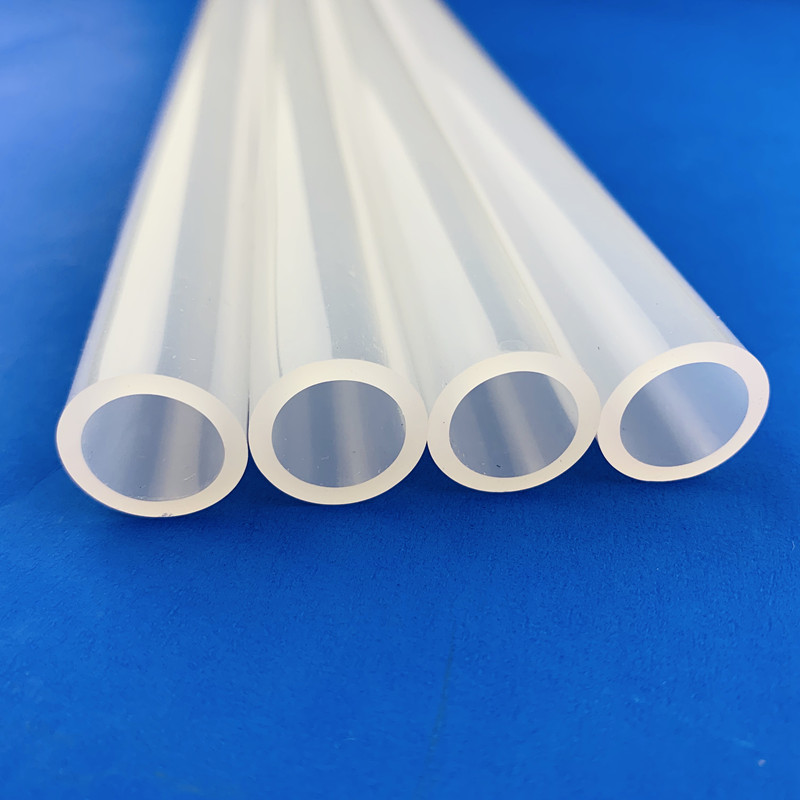
In contrast, medical grade silicone tubing is typically produced using platinum-cured silicone. This material system offers improved chemical purity, lower extractables, and greater biocompatibility, making it appropriate for medical and laboratory fluid transfer.
Regulatory and Compliance Expectations
Industrial tubing is often selected based on basic chemical resistance and mechanical durability, with limited regulatory oversight. Documentation requirements are generally minimal.
Medical tubing, however, must align with recognized standards such as USP Class VI, ISO 10993, and FDA 21 CFR 177.2600. Clear compliance pathways and material traceability are essential components of medical device validation.
Tubing Life and Mechanical Performance
In industrial environments, tubing life is often evaluated in terms of chemical resistance and burst strength. Mechanical fatigue under repeated compression may be acceptable within broader tolerances.
Medical peristaltic pump applications place greater emphasis on tubing life under continuous compression. Elastic recovery, resistance to compression set, and long-term dimensional stability directly affect flow accuracy and dosing reliability.
Dimensional Tolerance and Flow Accuracy
Industrial systems often tolerate wider dimensional variations, as flow rates are typically less critical. Small changes in tubing diameter may have limited impact on overall process performance.
In medical devices, even minor variations in inner diameter can result in measurable flow deviations.Tight dimensional tolerances and batch-to-batch consistency are therefore mandatory for medical peristaltic pump silicone tubing.
Sterilization and Cleaning Compatibility
Industrial tubing is rarely required to withstand repeated sterilization. Material degradation under high temperature or radiation is often acceptable within operational limits.
Medical tubing must maintain performance after exposure to sterilization methods such as autoclave, gamma irradiation, or ethylene oxide. Material stability after sterilization is a key evaluation factor during medical device validation.
Traceability and Supply Consistency
For industrial tubing, supplier changes and formulation adjustments are often manageable without extensive requalification.
Medical device manufacturers require batch traceability, controlled raw materials, and long-term supply stability. Any change in tubing formulation or manufacturing process may trigger revalidation efforts.
Conclusion
While industrial and medical peristaltic pump silicone tubing may look similar, they are designed for very different risk profiles and performance expectations.
For medical applications, selecting medical grade silicone tubing with controlled material systems, regulatory alignment, and predictable mechanical behavior is essential to ensuring long-term device reliability and patient safety.

点击右上角
分享给朋友吧







 Long by picture save/share
0
Popular
-
top Colored Silicone Tube: Production Process and How to Choose
-
top Enhancing the Lifespan of High-Temperature Silicone Tubes in...
-
top Introducing the Innovative Foam Silicone Tube: A High-Perfor...
-
The evolution and future of silicone material: a panoramic a...
-
Dongguan Yutian Silicone Rubber Technology Co., Ltd. Unveils...
-
Understanding the Causes of Bending and Clogging in Food-Gra...
-
Explore Cutting-Edge Silicone Solutions with Dongguan Yutian...
-
Dongguan Yutian Successfully Showcases Innovative Medical Si...
Latest Products







Message
Hi!If you are looking for custom-made silicone rubber products, feel free to ask me any questions.
Medical vs Industrial Peristaltic Pump Silicone Tubing: Key Differences That Matter
Author:Dongguan Yutian Silicone Rubber Technology Co., Lt
Click:
Time:2026-02-02 01:05:24
Silicone tubing is widely used in peristaltic pump systems across both medical and industrial applications. While medical and industrial peristaltic pump silicone tubing may appear similar at first glance, the selection criteria, material requirements, and performance expectations are fundamentally different.
Understanding these differences is essential for medical device manufacturers, where tubing performance directly affects patient safety, regulatory compliance, and long-term system reliability.
Application Environment and Risk Level
Industrial peristaltic pump tubing is typically used for transferring chemicals, water, slurries, or process fluids. In these applications, minor variations in tubing performance usually have limited downstream consequences.
By contrast, medical peristaltic pump silicone tubing is used in fluid pathways that may directly affect patient outcomes. This significantly higher risk level drives much stricter material, performance, and documentation requirements.
Material Grade and Biocompatibility
Industrial silicone tubing is commonly manufactured using general-purpose or peroxide-cured silicone compounds. While suitable for many industrial processes, these materials may contain higher levels of extractables and residual by-products.
In contrast, medical grade silicone tubing is typically produced using platinum-cured silicone. This material system offers improved chemical purity, lower extractables, and greater biocompatibility, making it appropriate for medical and laboratory fluid transfer.
Regulatory and Compliance Expectations
Industrial tubing is often selected based on basic chemical resistance and mechanical durability, with limited regulatory oversight. Documentation requirements are generally minimal.
Medical tubing, however, must align with recognized standards such as USP Class VI, ISO 10993, and FDA 21 CFR 177.2600. Clear compliance pathways and material traceability are essential components of medical device validation.
Tubing Life and Mechanical Performance
In industrial environments, tubing life is often evaluated in terms of chemical resistance and burst strength. Mechanical fatigue under repeated compression may be acceptable within broader tolerances.
Medical peristaltic pump applications place greater emphasis on tubing life under continuous compression. Elastic recovery, resistance to compression set, and long-term dimensional stability directly affect flow accuracy and dosing reliability.
Dimensional Tolerance and Flow Accuracy
Industrial systems often tolerate wider dimensional variations, as flow rates are typically less critical. Small changes in tubing diameter may have limited impact on overall process performance.
In medical devices, even minor variations in inner diameter can result in measurable flow deviations.Tight dimensional tolerances and batch-to-batch consistency are therefore mandatory for medical peristaltic pump silicone tubing.
Sterilization and Cleaning Compatibility
Industrial tubing is rarely required to withstand repeated sterilization. Material degradation under high temperature or radiation is often acceptable within operational limits.
Medical tubing must maintain performance after exposure to sterilization methods such as autoclave, gamma irradiation, or ethylene oxide. Material stability after sterilization is a key evaluation factor during medical device validation.
Traceability and Supply Consistency
For industrial tubing, supplier changes and formulation adjustments are often manageable without extensive requalification.
Medical device manufacturers require batch traceability, controlled raw materials, and long-term supply stability. Any change in tubing formulation or manufacturing process may trigger revalidation efforts.
Conclusion
While industrial and medical peristaltic pump silicone tubing may look similar, they are designed for very different risk profiles and performance expectations.
For medical applications, selecting medical grade silicone tubing with controlled material systems, regulatory alignment, and predictable mechanical behavior is essential to ensuring long-term device reliability and patient safety.
点击右上角
分享给朋友吧
Long by picture save/share
0
Popular
Popular
Popular
Popular
-
top Colored Silicone Tube: Production Process and How to Choose
-
top Enhancing the Lifespan of High-Temperature Silicone Tubes in...
-
top Introducing the Innovative Foam Silicone Tube: A High-Perfor...
-
The evolution and future of silicone material: a panoramic a...
-
Dongguan Yutian Silicone Rubber Technology Co., Ltd. Unveils...
-
Understanding the Causes of Bending and Clogging in Food-Gra...
-
Explore Cutting-Edge Silicone Solutions with Dongguan Yutian...
-
Dongguan Yutian Successfully Showcases Innovative Medical Si...
Latest Products
Message
 Brown Di
 Brown Di