

Demand Submission
Please leave us a message and we will contact you within 24 hours
NEWS CENTER
A variety of production processes, research and development, production, sales integration
NEWS CENTER
A variety of production processes, research and development, production, sales integration
the Differences Between Transparent Silicone Tubes and Silicone Braided Tubes for Oxygen Concentrators
Time: 2024-11-22 00:03:38
Author: Dongguan Yutian Silicone Rubber Technology Co., Lt
Click:
This article compares transparent silicone tubes and silicone braided tubes used in oxygen concentrators. It highlights production processes, performance differences, and application suitability, guiding users to select the appropriate tube based on pressure requirements and functionality to ensure optimal performance and cost-efficiency in their oxygen concentrators.
Understanding the Differences Between Transparent Silicone Tubes and Silicone Braided Tubes for Oxygen Concentrators
Transparent silicone tubes and silicone braided tubes are commonly used in oxygen concentrators. Choosing the right tube for your oxygen concentrator depends on understanding the differences and advantages of each type. It's important to ensure the silicone tube can withstand the concentrator's pressure to prevent inefficiencies or product failure. This article explores these differences to help you make an informed decision.
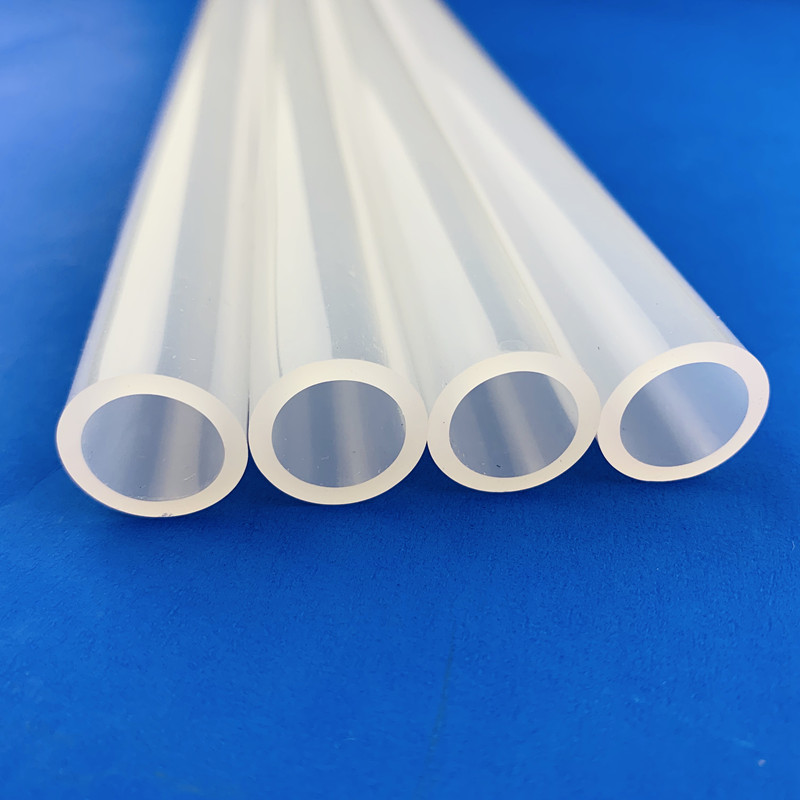
Distinction 1: Manufacturing Process
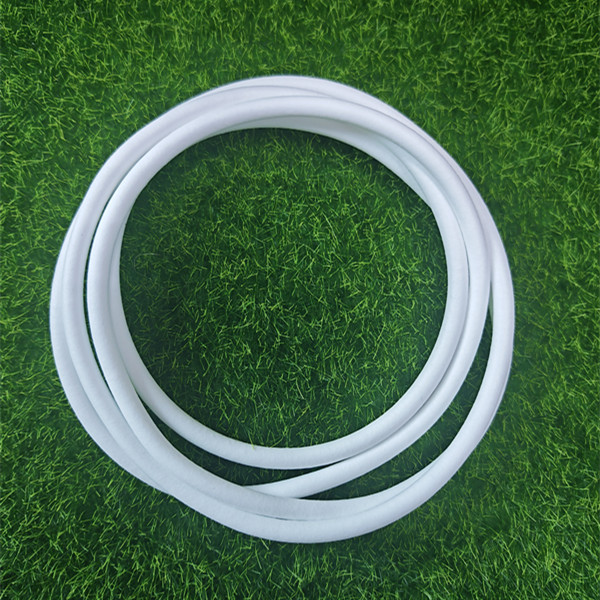
Transparent silicone tubes are made using a platinum-cured high-temperature vulcanization process and are ready to use in oxygen concentrators immediately after extrusion. Despite also using platinum curing, silicone braided tubes have a more complex manufacturing process. They are composed of three parts: an inner tube, a polyester braiding layer, and an outer tube. This involves extruding the inner tube, braiding polyester yarn around it, and then extruding and vulcanizing the outer layer. In contrast, transparent silicone tubes undergo a simpler production process, affecting their cost and structural integrity.
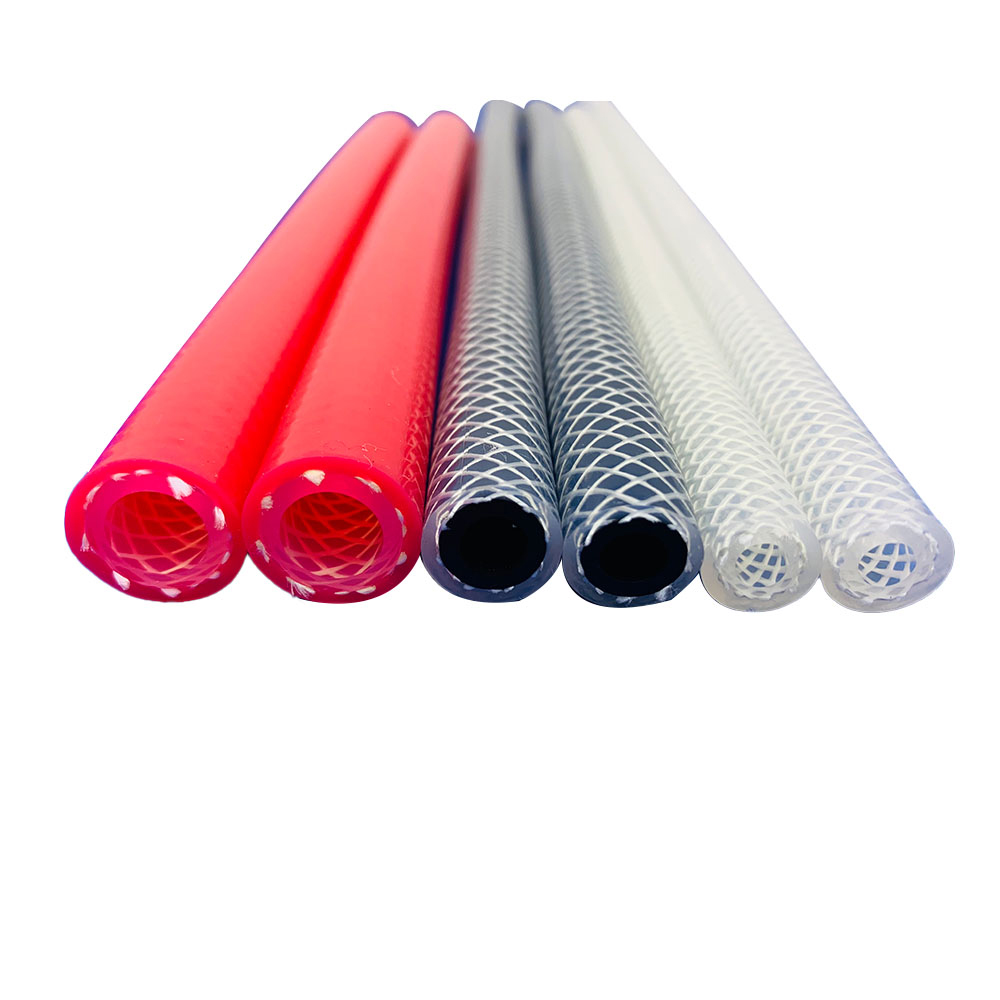
Distinction 2: Performance Characteristics
The performance of a silicone tube depends on the requirements of the oxygen concentrator. Transparent silicone tubes are known for their flexibility and cost-effectiveness. They lack the additional layers found in braided tubes, making them softer to the touch and more flexible due to their non-braided structure. As they involve fewer manufacturing steps, they tend to be more affordable than braided tubes.
On the other hand, silicone braided tubes are renowned for their ability to withstand high burst pressures. They are measured by the pressure they can withstand, typically using bar or kilogram-force per square centimeter (kg/cm²). In the oxygen concentrator industry, it's crucial to convert these measurements accurately (1 bar = 0.1 MPa = 1 kg/cm²). Silicone braided tubes can typically handle over 30 kg/cm², making them suitable for environments with high-pressure oxygen delivery. They are ideal for use in complex, sharp-angle configurations within smaller or portable concentrators, as their sturdy polyester braid prevents kinks that could block airflow. While they excel in high-pressure applications, their production involves more steps, making them more expensive than transparent tubes.
Distinction 3: Industry Applications
Oxygen concentrators can be categorized into medical, home, portable, and lightweight models. Each is designed for specific usage scenarios and user demographics. When selecting silicone tubes, consider the oxygen concentrator's pressure requirements. If the concentrator exceeds 5 kg/cm², silicone braided tubes are recommended for their superior pressure tolerance. Transparent silicone tubes generally support up to 5 kg/cm² and may rupture if pressure exceeds this limit.
For undetermined concentrator pressures, application context can guide selection. Medical oxygen concentrators often use silicone braided tubes due to their increased stability and safety, while household models could utilize either type, depending on budget considerations or performance needs. Transparent silicone tubes are suitable for portable models and less demanding applications, offering lighter weight and enhanced aesthetics.
Conclusion
Both transparent silicone tubes and silicone braided tubes have their places in the oxygen concentrator field, each serving different performance and pressure requirements. Silicone braided tubes are advantageous in high-pressure situations due to their reinforced structure, ensuring durability and efficiency. Transparent silicone tubes, meanwhile, provide cost-effective flexibility without sacrificing necessary functionality for lower pressure systems.
When choosing between these silicone tubes for your oxygen concentrator, consider the specific pressure requirements and performance characteristics. This informed choice will ensure optimal concentrator performance, balancing cost with efficiency and safety.

点击右上角
分享给朋友吧







 Long by picture save/share
0
Popular
-
top Colored Silicone Tube: Production Process and How to Choose
-
top Enhancing the Lifespan of High-Temperature Silicone Tubes in...
-
top Introducing the Innovative Foam Silicone Tube: A High-Perfor...
-
The evolution and future of silicone material: a panoramic a...
-
Dongguan Yutian Silicone Rubber Technology Co., Ltd. Unveils...
-
Understanding the Causes of Bending and Clogging in Food-Gra...
-
Explore Cutting-Edge Silicone Solutions with Dongguan Yutian...
-
Dongguan Yutian Successfully Showcases Innovative Medical Si...
Latest Products





Message
Hi!If you are looking for custom-made silicone rubber products, feel free to ask me any questions.
the Differences Between Transparent Silicone Tubes and Silicone Braided Tubes for Oxygen Concentrators
Author:Dongguan Yutian Silicone Rubber Technology Co., Lt
Click:
Time:2024-11-22 00:03:38
Understanding the Differences Between Transparent Silicone Tubes and Silicone Braided Tubes for Oxygen Concentrators
Transparent silicone tubes and silicone braided tubes are commonly used in oxygen concentrators. Choosing the right tube for your oxygen concentrator depends on understanding the differences and advantages of each type. It's important to ensure the silicone tube can withstand the concentrator's pressure to prevent inefficiencies or product failure. This article explores these differences to help you make an informed decision.
Distinction 1: Manufacturing Process
Transparent silicone tubes are made using a platinum-cured high-temperature vulcanization process and are ready to use in oxygen concentrators immediately after extrusion. Despite also using platinum curing, silicone braided tubes have a more complex manufacturing process. They are composed of three parts: an inner tube, a polyester braiding layer, and an outer tube. This involves extruding the inner tube, braiding polyester yarn around it, and then extruding and vulcanizing the outer layer. In contrast, transparent silicone tubes undergo a simpler production process, affecting their cost and structural integrity.
Distinction 2: Performance Characteristics
The performance of a silicone tube depends on the requirements of the oxygen concentrator. Transparent silicone tubes are known for their flexibility and cost-effectiveness. They lack the additional layers found in braided tubes, making them softer to the touch and more flexible due to their non-braided structure. As they involve fewer manufacturing steps, they tend to be more affordable than braided tubes.
On the other hand, silicone braided tubes are renowned for their ability to withstand high burst pressures. They are measured by the pressure they can withstand, typically using bar or kilogram-force per square centimeter (kg/cm²). In the oxygen concentrator industry, it's crucial to convert these measurements accurately (1 bar = 0.1 MPa = 1 kg/cm²). Silicone braided tubes can typically handle over 30 kg/cm², making them suitable for environments with high-pressure oxygen delivery. They are ideal for use in complex, sharp-angle configurations within smaller or portable concentrators, as their sturdy polyester braid prevents kinks that could block airflow. While they excel in high-pressure applications, their production involves more steps, making them more expensive than transparent tubes.
Distinction 3: Industry Applications
Oxygen concentrators can be categorized into medical, home, portable, and lightweight models. Each is designed for specific usage scenarios and user demographics. When selecting silicone tubes, consider the oxygen concentrator's pressure requirements. If the concentrator exceeds 5 kg/cm², silicone braided tubes are recommended for their superior pressure tolerance. Transparent silicone tubes generally support up to 5 kg/cm² and may rupture if pressure exceeds this limit.
For undetermined concentrator pressures, application context can guide selection. Medical oxygen concentrators often use silicone braided tubes due to their increased stability and safety, while household models could utilize either type, depending on budget considerations or performance needs. Transparent silicone tubes are suitable for portable models and less demanding applications, offering lighter weight and enhanced aesthetics.
Conclusion
Both transparent silicone tubes and silicone braided tubes have their places in the oxygen concentrator field, each serving different performance and pressure requirements. Silicone braided tubes are advantageous in high-pressure situations due to their reinforced structure, ensuring durability and efficiency. Transparent silicone tubes, meanwhile, provide cost-effective flexibility without sacrificing necessary functionality for lower pressure systems.
When choosing between these silicone tubes for your oxygen concentrator, consider the specific pressure requirements and performance characteristics. This informed choice will ensure optimal concentrator performance, balancing cost with efficiency and safety.
点击右上角
分享给朋友吧
Long by picture save/share
0
Popular
Popular
Popular
Popular
-
top Colored Silicone Tube: Production Process and How to Choose
-
top Enhancing the Lifespan of High-Temperature Silicone Tubes in...
-
top Introducing the Innovative Foam Silicone Tube: A High-Perfor...
-
The evolution and future of silicone material: a panoramic a...
-
Dongguan Yutian Silicone Rubber Technology Co., Ltd. Unveils...
-
Understanding the Causes of Bending and Clogging in Food-Gra...
-
Explore Cutting-Edge Silicone Solutions with Dongguan Yutian...
-
Dongguan Yutian Successfully Showcases Innovative Medical Si...
Latest Products
Message
 Brown Di
 Brown Di