

Demand Submission
Please leave us a message and we will contact you within 24 hours
NEWS CENTER
A variety of production processes, research and development, production, sales integration
NEWS CENTER
A variety of production processes, research and development, production, sales integration
Efficient Heat Transfer in LED Lighting Systems with Thermally Conductive Silicone Tubing
Time: 2025-11-04 13:48:12
Author: Dongguan Yutian Silicone Rubber Technology Co., Lt
Click:
Thermally conductive silicone tubing plays a vital role in maintaining LED lighting efficiency and stability. Combining excellent flexibility with high thermal conductivity, this tubing effectively transfers heat away from LED components, extending their service life and improving performance in modern illumination systems.
In the rapidly evolving world of LED lighting, thermal management has become one of the most critical factors determining the reliability and lifespan of lighting systems. As LEDs generate heat during operation, this heat must be efficiently dissipated to prevent performance degradation, color shifts, or even component failure. One material that has proven exceptionally effective in addressing this challenge is the thermally conductive silicone tube.
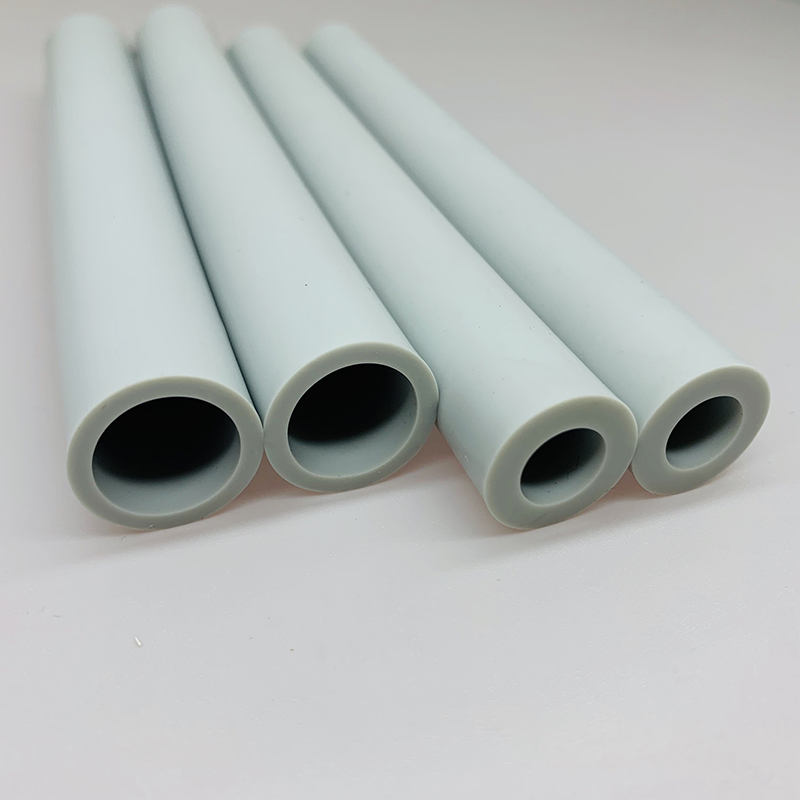
Thermally conductive silicone tubing is a specialized form of silicone material designed to transfer heat efficiently while maintaining the flexibility and chemical stability that silicone is known for. Unlike standard silicone tubes, which serve mainly as insulation or protection, these tubes incorporate thermal conductive fillers that allow heat to flow through the material more effectively. This makes them an ideal choice for LED heat dissipation systems, where temperature control is vital for consistent illumination and durability.
One of the main advantages of silicone thermal tubing in LED lighting systems is its combination of flexibility and conductivity. LEDs often come in compact modules or strip designs that require tubing to bend and conform to specific shapes. Traditional metallic or rigid heat conductors may not be suitable for such configurations, but silicone tubing remains pliable even under high temperatures, ensuring uniform heat transfer along curved or confined pathways.
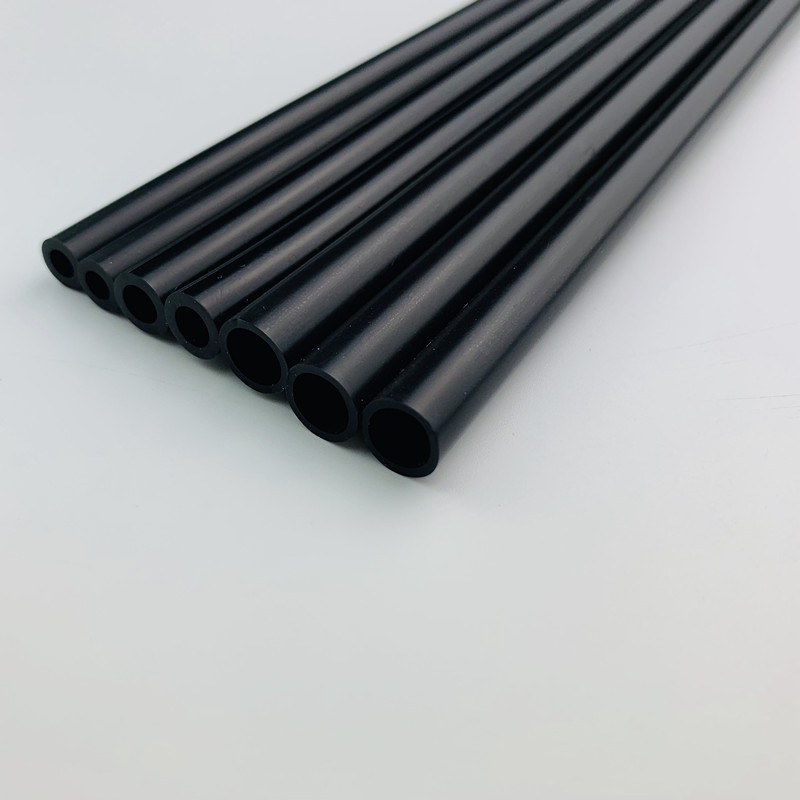
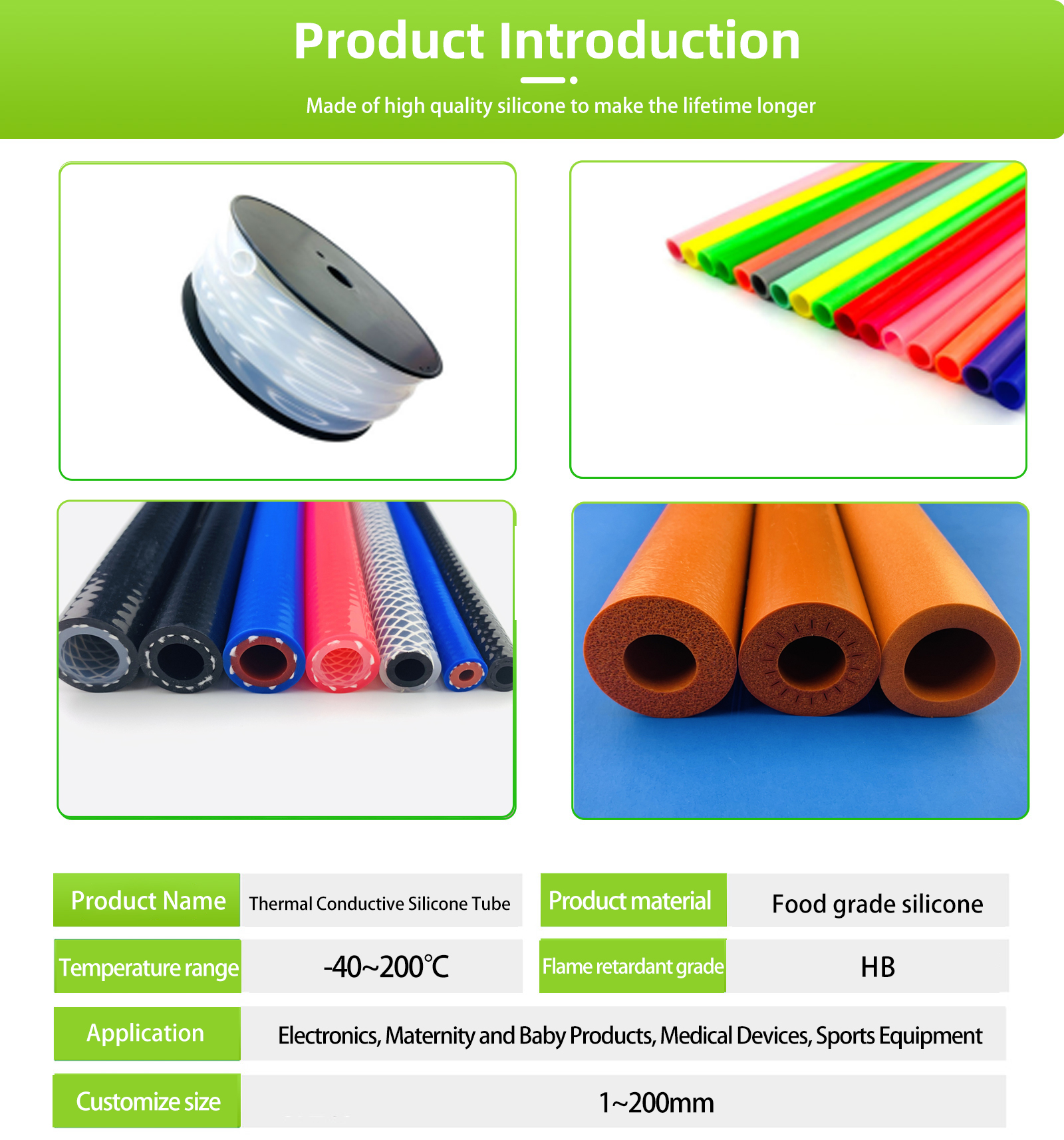
Additionally, thermally conductive silicone tubes exhibit excellent temperature resistance, typically ranging from -40°C to 200°C, withstanding the heat generated by high-power LEDs without deformation or degradation. The material’s non-toxic, non-yellowing, and weather-resistant properties make it suitable not only for indoor lighting but also for outdoor and architectural installations exposed to UV rays and moisture.
Another significant benefit is the long-term stability of silicone. In LED applications, components are expected to operate continuously for thousands of hours. The durability of thermally conductive silicone tubing ensures consistent heat transfer performance over time, reducing the risk of thermal fatigue or damage to sensitive LED chips and driver components.
Moreover, silicone tubing offers electrical insulation while conducting heat. This dual property is particularly valuable in LED assemblies, where maintaining electrical safety is as important as managing temperature. It effectively prevents short circuits while allowing heat to move efficiently away from the light source, enhancing both performance and safety.
From a design perspective, thermally conductive silicone tubing supports lightweight and compact configurations. It can be easily integrated into LED strips, light bars, or modular assemblies without adding significant weight or bulk. Its smooth interior also facilitates easy installation and maintenance, a practical advantage for lighting manufacturers and engineers.
For industrial and architectural lighting applications, this tubing contributes to energy efficiency by maintaining optimal operating temperatures, ensuring consistent brightness, and minimizing power loss due to overheating. In high-demand environments such as stage lighting, display panels, and streetlights, the difference in thermal performance directly influences the longevity and reliability of the product.
In summary, thermally conductive silicone tubing offers a perfect balance of thermal performance, flexibility, durability, and safety, making it an essential component in modern LED lighting systems. As lighting technologies continue to advance toward higher efficiency and miniaturization, materials like silicone thermal tubes will play an increasingly important role in achieving both performance and sustainability goals.
Whether used in compact LED strips or large-scale lighting installations, these tubes quietly ensure that every light shines brightly and reliably — delivering not just illumination, but also innovation powered by efficient heat management.

点击右上角
分享给朋友吧







 Long by picture save/share
0
Popular
-
top Colored Silicone Tube: Production Process and How to Choose
-
top Enhancing the Lifespan of High-Temperature Silicone Tubes in...
-
top Introducing the Innovative Foam Silicone Tube: A High-Perfor...
-
The evolution and future of silicone material: a panoramic a...
-
Dongguan Yutian Silicone Rubber Technology Co., Ltd. Unveils...
-
Understanding the Causes of Bending and Clogging in Food-Gra...
-
Explore Cutting-Edge Silicone Solutions with Dongguan Yutian...
-
Dongguan Yutian Successfully Showcases Innovative Medical Si...
Latest Products





Message
Hi!If you are looking for custom-made silicone rubber products, feel free to ask me any questions.
Efficient Heat Transfer in LED Lighting Systems with Thermally Conductive Silicone Tubing
Author:Dongguan Yutian Silicone Rubber Technology Co., Lt
Click:
Time:2025-11-04 13:48:12
In the rapidly evolving world of LED lighting, thermal management has become one of the most critical factors determining the reliability and lifespan of lighting systems. As LEDs generate heat during operation, this heat must be efficiently dissipated to prevent performance degradation, color shifts, or even component failure. One material that has proven exceptionally effective in addressing this challenge is the thermally conductive silicone tube.
Thermally conductive silicone tubing is a specialized form of silicone material designed to transfer heat efficiently while maintaining the flexibility and chemical stability that silicone is known for. Unlike standard silicone tubes, which serve mainly as insulation or protection, these tubes incorporate thermal conductive fillers that allow heat to flow through the material more effectively. This makes them an ideal choice for LED heat dissipation systems, where temperature control is vital for consistent illumination and durability.
One of the main advantages of silicone thermal tubing in LED lighting systems is its combination of flexibility and conductivity. LEDs often come in compact modules or strip designs that require tubing to bend and conform to specific shapes. Traditional metallic or rigid heat conductors may not be suitable for such configurations, but silicone tubing remains pliable even under high temperatures, ensuring uniform heat transfer along curved or confined pathways.
Additionally, thermally conductive silicone tubes exhibit excellent temperature resistance, typically ranging from -40°C to 200°C, withstanding the heat generated by high-power LEDs without deformation or degradation. The material’s non-toxic, non-yellowing, and weather-resistant properties make it suitable not only for indoor lighting but also for outdoor and architectural installations exposed to UV rays and moisture.
Another significant benefit is the long-term stability of silicone. In LED applications, components are expected to operate continuously for thousands of hours. The durability of thermally conductive silicone tubing ensures consistent heat transfer performance over time, reducing the risk of thermal fatigue or damage to sensitive LED chips and driver components.
Moreover, silicone tubing offers electrical insulation while conducting heat. This dual property is particularly valuable in LED assemblies, where maintaining electrical safety is as important as managing temperature. It effectively prevents short circuits while allowing heat to move efficiently away from the light source, enhancing both performance and safety.
From a design perspective, thermally conductive silicone tubing supports lightweight and compact configurations. It can be easily integrated into LED strips, light bars, or modular assemblies without adding significant weight or bulk. Its smooth interior also facilitates easy installation and maintenance, a practical advantage for lighting manufacturers and engineers.
For industrial and architectural lighting applications, this tubing contributes to energy efficiency by maintaining optimal operating temperatures, ensuring consistent brightness, and minimizing power loss due to overheating. In high-demand environments such as stage lighting, display panels, and streetlights, the difference in thermal performance directly influences the longevity and reliability of the product.
In summary, thermally conductive silicone tubing offers a perfect balance of thermal performance, flexibility, durability, and safety, making it an essential component in modern LED lighting systems. As lighting technologies continue to advance toward higher efficiency and miniaturization, materials like silicone thermal tubes will play an increasingly important role in achieving both performance and sustainability goals.
Whether used in compact LED strips or large-scale lighting installations, these tubes quietly ensure that every light shines brightly and reliably — delivering not just illumination, but also innovation powered by efficient heat management.
点击右上角
分享给朋友吧
Long by picture save/share
0
Popular
Popular
Popular
Popular
-
top Colored Silicone Tube: Production Process and How to Choose
-
top Enhancing the Lifespan of High-Temperature Silicone Tubes in...
-
top Introducing the Innovative Foam Silicone Tube: A High-Perfor...
-
The evolution and future of silicone material: a panoramic a...
-
Dongguan Yutian Silicone Rubber Technology Co., Ltd. Unveils...
-
Understanding the Causes of Bending and Clogging in Food-Gra...
-
Explore Cutting-Edge Silicone Solutions with Dongguan Yutian...
-
Dongguan Yutian Successfully Showcases Innovative Medical Si...
Latest Products
Message
 Brown Di
 Brown Di