

Demand Submission
Please leave us a message and we will contact you within 24 hours
NEWS CENTER
A variety of production processes, research and development, production, sales integration
NEWS CENTER
A variety of production processes, research and development, production, sales integration
Silicone Tube for Milking Machine: A Hygienic and Reliable Choice for Dairy Systems
Time: 2025-11-15 00:48:28
Author: Dongguan Yutian Silicone Rubber Technology Co., Lt
Click:
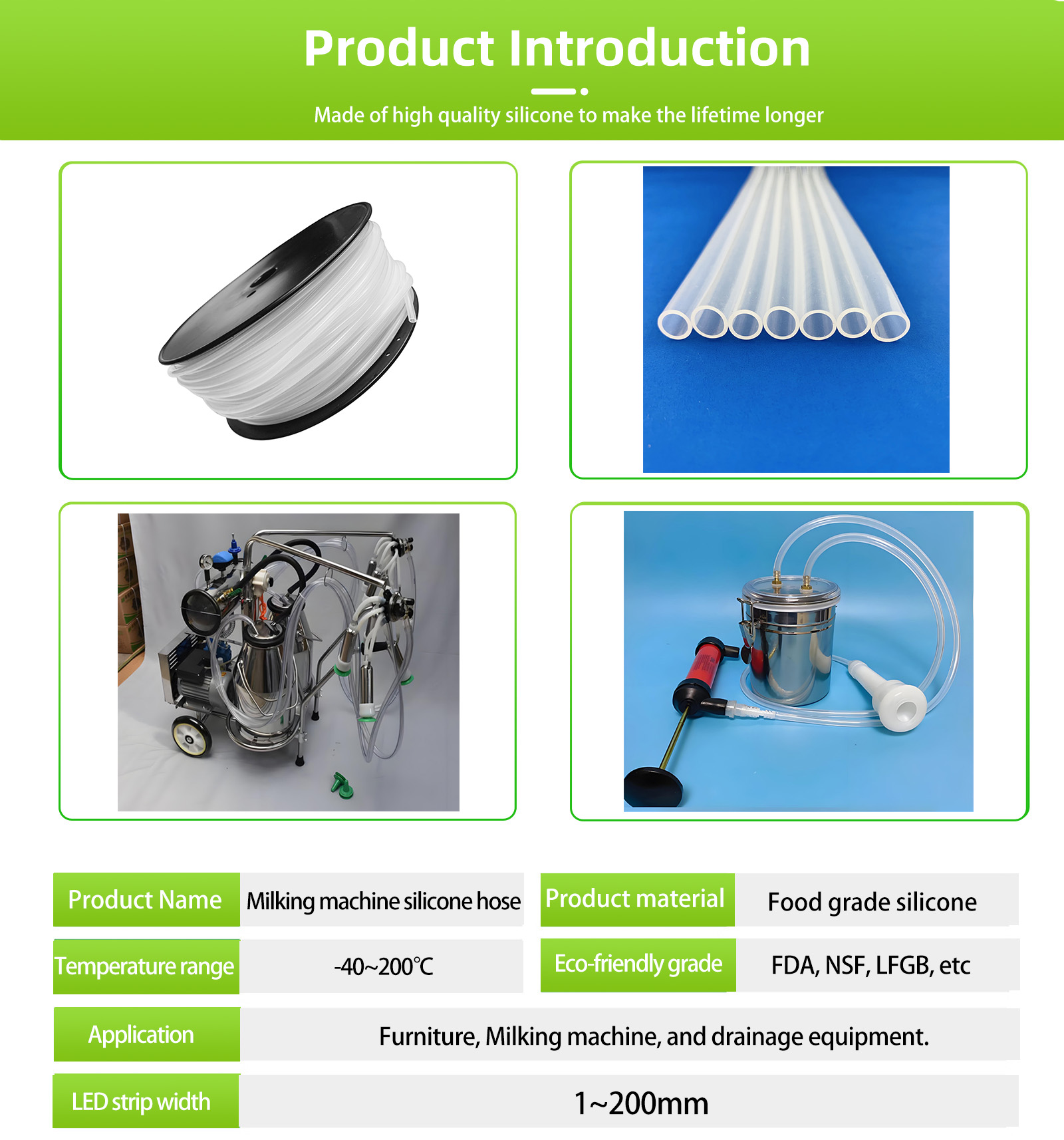
Food-grade silicone tube for milking machines provides a clean, flexible, and durable solution for milk transfer. Its heat resistance, transparency, odor-free formulation, and long service life make it reliable for modern dairy systems. This article explains its material data, structural advantages, and performance benefits in daily operation.
Modern dairy equipment demands materials that deliver consistent hygiene, stability, and durability. Among these components, the silicone tube for milking machine has become a preferred choice because of the reliable physical and chemical characteristics of silicone. Instead of emphasizing only its application, it is helpful to understand how the material itself contributes to safer and more effective milk transfer.
Food-Grade Purity Ensures Clean and Safe Milk Transfer
A key advantage of a food grade silicone tube lies in its high purity and chemical inertness. Silicone is naturally non-toxic, odorless, and resistant to fats, proteins, and cleaning solutions. This means the tubing does not alter the taste or smell of milk during transport.
Because of its inert molecular structure, silicone meets food safety standards such as FDA, LFGB, and EU regulations. Even after long-term exposure to milk, sanitizing liquids, or alkaline detergents, the tubing maintains its cleanliness and stability. This ensures that milk travels through a safe and contamination-free channel.
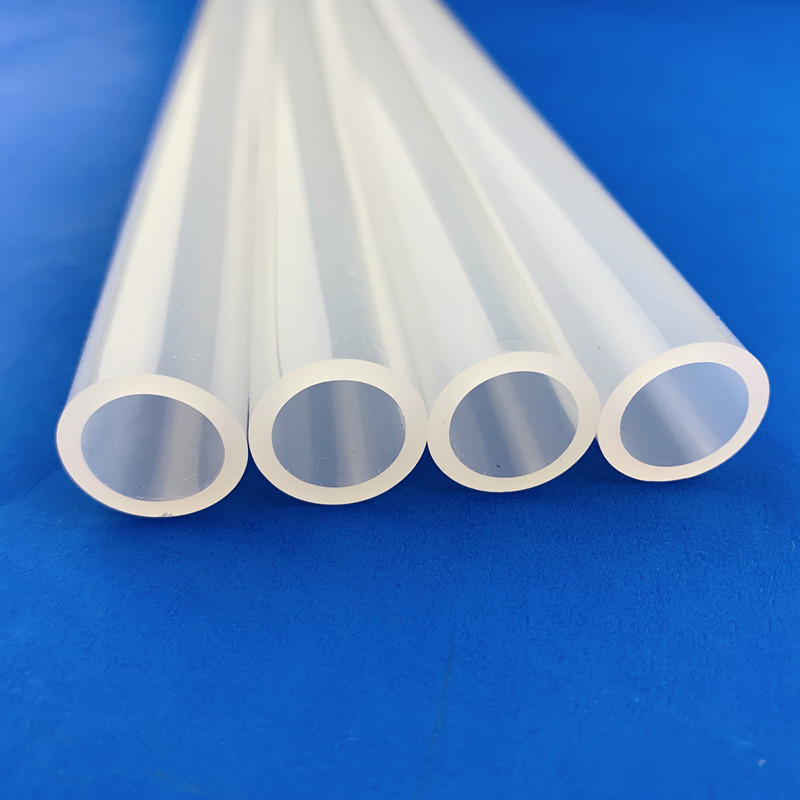
Excellent Durability Under Temperature and Chemical Stress
Silicone tube for milking machine is known for its long service life. Its working temperature range of –40°C to 200°C allows it to withstand both hot water sterilization and cold environmental conditions.
This durability makes silicone tubing suitable for the demanding cleaning cycles used in dairy systems. While PVC or rubber tubing may harden or crack after repeated cleaning, silicone keeps its elasticity and smoothness. For dairy operators, this means lower replacement frequency and more consistent performance.
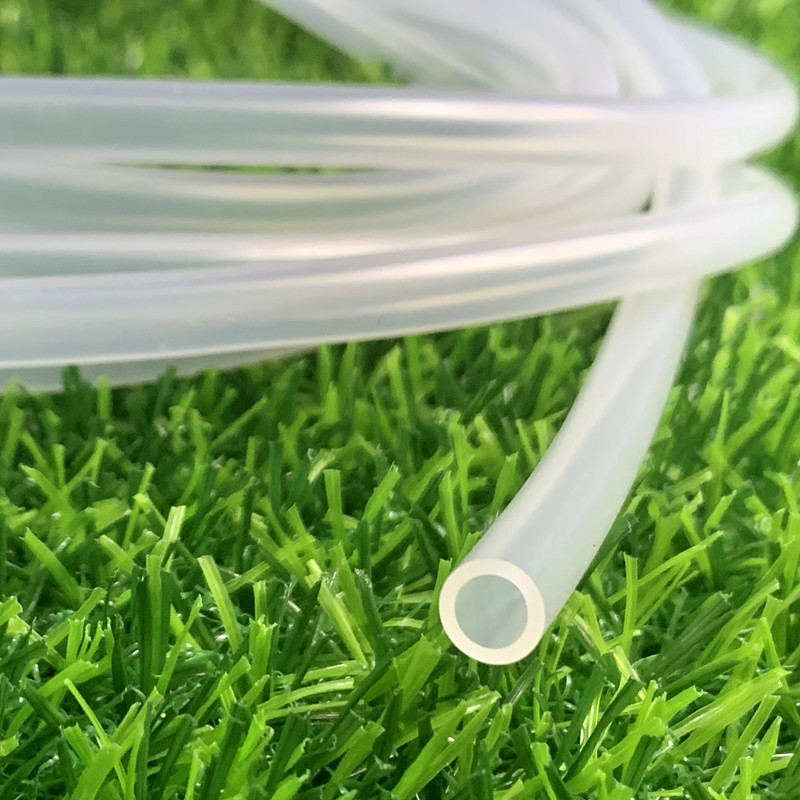
Flexibility and Stability in Daily Operation
One of silicone’s most practical advantages is its natural softness and flexibility. In a milking system with pumps, pulsators, and collection jars, tubing must bend freely without kinking. Silicone tubing maintains stable shape even under vacuum pressure, preventing interruptions in milk flow.
Its elastic structure allows it to stretch or compress without permanent deformation. This characteristic supports smoother daily operation and reduces mechanical failures during milking cycles.
Transparency for Easy Monitoring
Clear visibility is a major benefit of transparent silicone tubing. Operators can monitor milk flow, check for air bubbles, and confirm the status of cleaning fluids. Unlike opaque rubber hoses, silicone’s transparency improves hygiene control and allows early detection of blockages or contamination.
This visual advantage enhances system maintenance and supports stricter cleanliness management in dairy environments.
Smooth Inner Wall Design Improves Hygiene
Another defining feature of silicone tubing is its polished inner wall. The smooth surface minimizes residue buildup and reduces the risk of bacterial growth. Since milk contains natural fats and proteins, a smooth channel helps prevent deposits and makes cleaning more efficient.
This characteristic is one reason silicone is widely used not only in dairy equipment but also in food processing, laboratory devices, and medical instruments.
Long-Term Stability and Resistance to Aging
Silicone tube for milking machine also offers strong resistance to ozone, UV exposure, and general aging. Dairy farms often operate in environments with varying humidity and sunlight, and silicone’s molecular structure protects it from becoming brittle or discolored.
This stability extends the service life of the tubing, offering long-term value for both small farms and large dairy processing facilities.
Conclusion: A Reliable Solution for Modern Dairy Systems
The silicone tube for milking machine combines purity, flexibility, heat resistance, and long-term durability, making it one of the most reliable choices for milk transfer. Its clean surface, stable structure, and consistent performance help ensure safer and more efficient dairy operations. By understanding the material-level advantages, users can appreciate why silicone tubing remains a trusted solution in modern dairy equipment.

点击右上角
分享给朋友吧







 Long by picture save/share
0
Popular
-
top Colored Silicone Tube: Production Process and How to Choose
-
top Enhancing the Lifespan of High-Temperature Silicone Tubes in...
-
top Introducing the Innovative Foam Silicone Tube: A High-Perfor...
-
The evolution and future of silicone material: a panoramic a...
-
Dongguan Yutian Silicone Rubber Technology Co., Ltd. Unveils...
-
Understanding the Causes of Bending and Clogging in Food-Gra...
-
Explore Cutting-Edge Silicone Solutions with Dongguan Yutian...
-
Dongguan Yutian Successfully Showcases Innovative Medical Si...
Latest Products





Message
Hi!If you are looking for custom-made silicone rubber products, feel free to ask me any questions.
Silicone Tube for Milking Machine: A Hygienic and Reliable Choice for Dairy Systems
Author:Dongguan Yutian Silicone Rubber Technology Co., Lt
Click:
Time:2025-11-15 00:48:28
Modern dairy equipment demands materials that deliver consistent hygiene, stability, and durability. Among these components, the silicone tube for milking machine has become a preferred choice because of the reliable physical and chemical characteristics of silicone. Instead of emphasizing only its application, it is helpful to understand how the material itself contributes to safer and more effective milk transfer.
Food-Grade Purity Ensures Clean and Safe Milk Transfer
A key advantage of a food grade silicone tube lies in its high purity and chemical inertness. Silicone is naturally non-toxic, odorless, and resistant to fats, proteins, and cleaning solutions. This means the tubing does not alter the taste or smell of milk during transport.
Because of its inert molecular structure, silicone meets food safety standards such as FDA, LFGB, and EU regulations. Even after long-term exposure to milk, sanitizing liquids, or alkaline detergents, the tubing maintains its cleanliness and stability. This ensures that milk travels through a safe and contamination-free channel.
Excellent Durability Under Temperature and Chemical Stress
Silicone tube for milking machine is known for its long service life. Its working temperature range of –40°C to 200°C allows it to withstand both hot water sterilization and cold environmental conditions.
This durability makes silicone tubing suitable for the demanding cleaning cycles used in dairy systems. While PVC or rubber tubing may harden or crack after repeated cleaning, silicone keeps its elasticity and smoothness. For dairy operators, this means lower replacement frequency and more consistent performance.
Flexibility and Stability in Daily Operation
One of silicone’s most practical advantages is its natural softness and flexibility. In a milking system with pumps, pulsators, and collection jars, tubing must bend freely without kinking. Silicone tubing maintains stable shape even under vacuum pressure, preventing interruptions in milk flow.
Its elastic structure allows it to stretch or compress without permanent deformation. This characteristic supports smoother daily operation and reduces mechanical failures during milking cycles.
Transparency for Easy Monitoring
Clear visibility is a major benefit of transparent silicone tubing. Operators can monitor milk flow, check for air bubbles, and confirm the status of cleaning fluids. Unlike opaque rubber hoses, silicone’s transparency improves hygiene control and allows early detection of blockages or contamination.
This visual advantage enhances system maintenance and supports stricter cleanliness management in dairy environments.
Smooth Inner Wall Design Improves Hygiene
Another defining feature of silicone tubing is its polished inner wall. The smooth surface minimizes residue buildup and reduces the risk of bacterial growth. Since milk contains natural fats and proteins, a smooth channel helps prevent deposits and makes cleaning more efficient.
This characteristic is one reason silicone is widely used not only in dairy equipment but also in food processing, laboratory devices, and medical instruments.
Long-Term Stability and Resistance to Aging
Silicone tube for milking machine also offers strong resistance to ozone, UV exposure, and general aging. Dairy farms often operate in environments with varying humidity and sunlight, and silicone’s molecular structure protects it from becoming brittle or discolored.
This stability extends the service life of the tubing, offering long-term value for both small farms and large dairy processing facilities.
Conclusion: A Reliable Solution for Modern Dairy Systems
The silicone tube for milking machine combines purity, flexibility, heat resistance, and long-term durability, making it one of the most reliable choices for milk transfer. Its clean surface, stable structure, and consistent performance help ensure safer and more efficient dairy operations. By understanding the material-level advantages, users can appreciate why silicone tubing remains a trusted solution in modern dairy equipment.
点击右上角
分享给朋友吧
Long by picture save/share
0
Popular
Popular
Popular
Popular
-
top Colored Silicone Tube: Production Process and How to Choose
-
top Enhancing the Lifespan of High-Temperature Silicone Tubes in...
-
top Introducing the Innovative Foam Silicone Tube: A High-Perfor...
-
The evolution and future of silicone material: a panoramic a...
-
Dongguan Yutian Silicone Rubber Technology Co., Ltd. Unveils...
-
Understanding the Causes of Bending and Clogging in Food-Gra...
-
Explore Cutting-Edge Silicone Solutions with Dongguan Yutian...
-
Dongguan Yutian Successfully Showcases Innovative Medical Si...
Latest Products
Message
 Brown Di
 Brown Di