

Demand Submission
Please leave us a message and we will contact you within 24 hours
NEWS CENTER
A variety of production processes, research and development, production, sales integration
NEWS CENTER
A variety of production processes, research and development, production, sales integration
Silicone Sealing Ring for Lunch Box: Enhancing Freshness With Safe and Durable Materials
Time: 2025-11-21 08:49:57
Author: Dongguan Yutian Silicone Rubber Technology Co., Lt
Click:
This article explains the advantages of a food-grade silicone sealing ring for lunch boxes, highlighting its temperature resistance, durability, airtight performance, and user-friendly design. With stable material properties and long-lasting elasticity, silicone provides a safe and dependable sealing solution for modern food storage containers.
Introduction
A reliable food container depends on more than its outer shell—its true performance often comes from a small but essential part: the sealing ring. The silicone sealing ring for lunch box plays a quiet but important role in maintaining airtightness, preventing leaks, and preserving the freshness of stored food. As consumers increasingly pay attention to material safety, durability, and ease of use, high-quality silicone rings have become a central feature for modern lunch box designs. This article explores the characteristics that define a dependable silicone sealing ring and the reasons it has become a preferred choice for food-grade applications.
The Material Advantage: Why Silicone Works
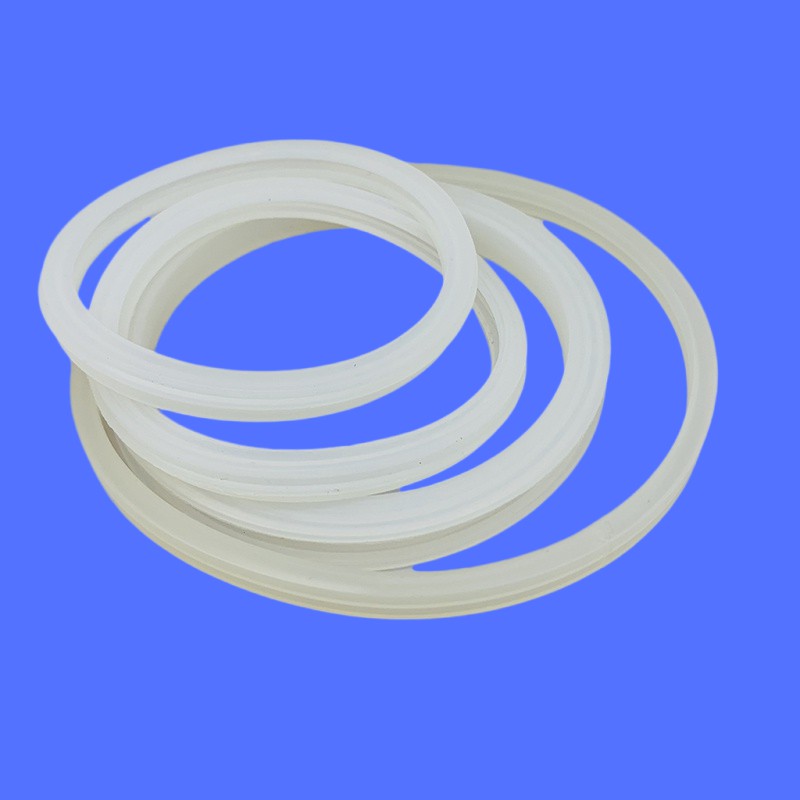
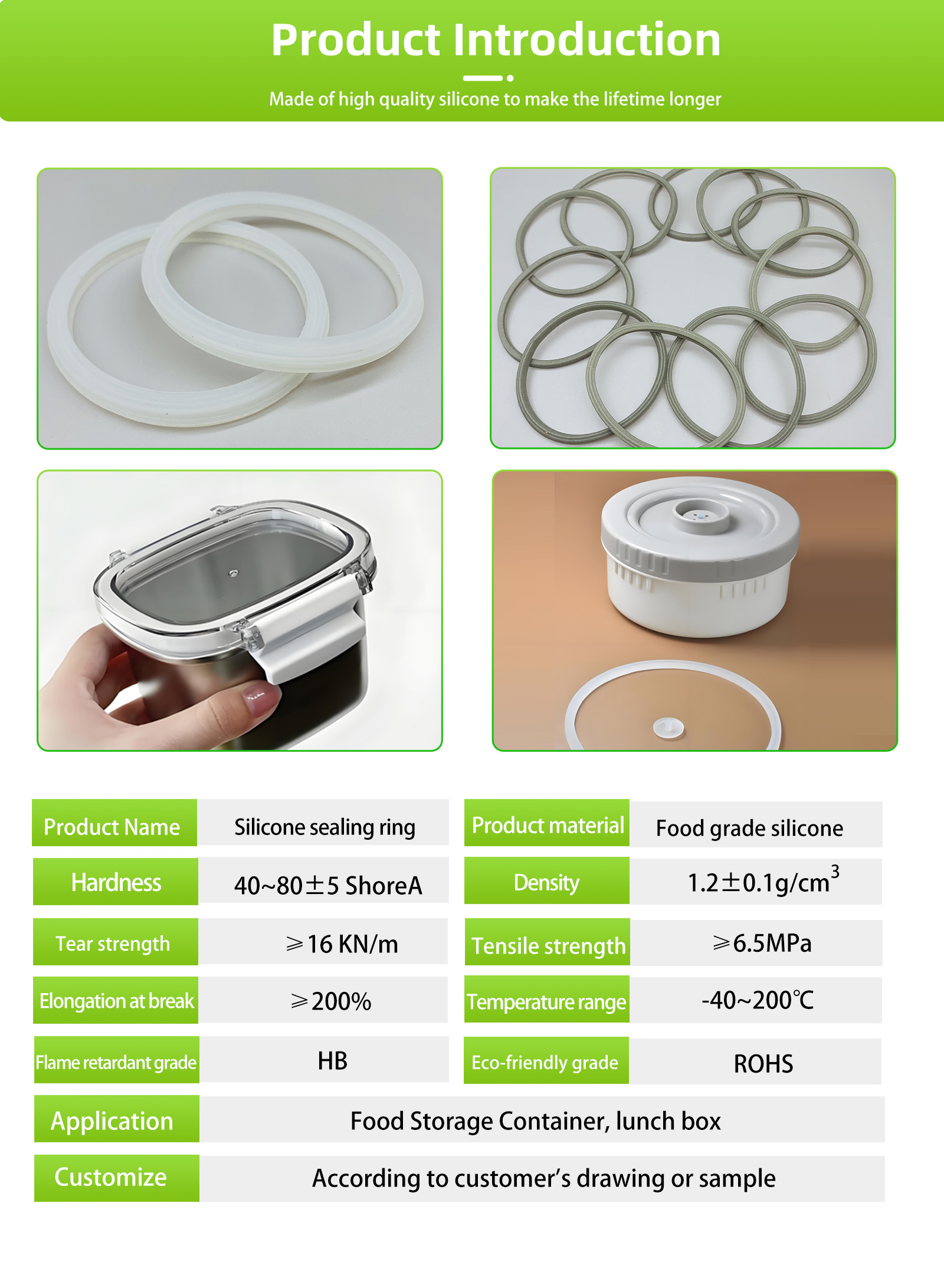
Food-grade silicone has earned a reputation for stability, safety, and reliability. Its temperature resistance—from −40°C to 200°C—allows it to handle a variety of conditions without deforming. Whether placed in a refrigerator or exposed to warm food, the material maintains its softness and elasticity. The sealing ring’s ability to rebound after compression is a foundational reason why silicone creates a consistent and dependable seal.
The chemical stability of silicone also plays an important role. With a formulation that meets FDA, LFGB, and other global food-contact standards, the material remains neutral and odorless. It resists oils, moisture, and acids commonly found in food, allowing the sealing ring to preserve both hygiene and performance over long-term use. These material characteristics naturally align with customer expectations for safety-focused, eco-friendly lunch box components.
Design Matters: How the Structure Creates a Better Seal
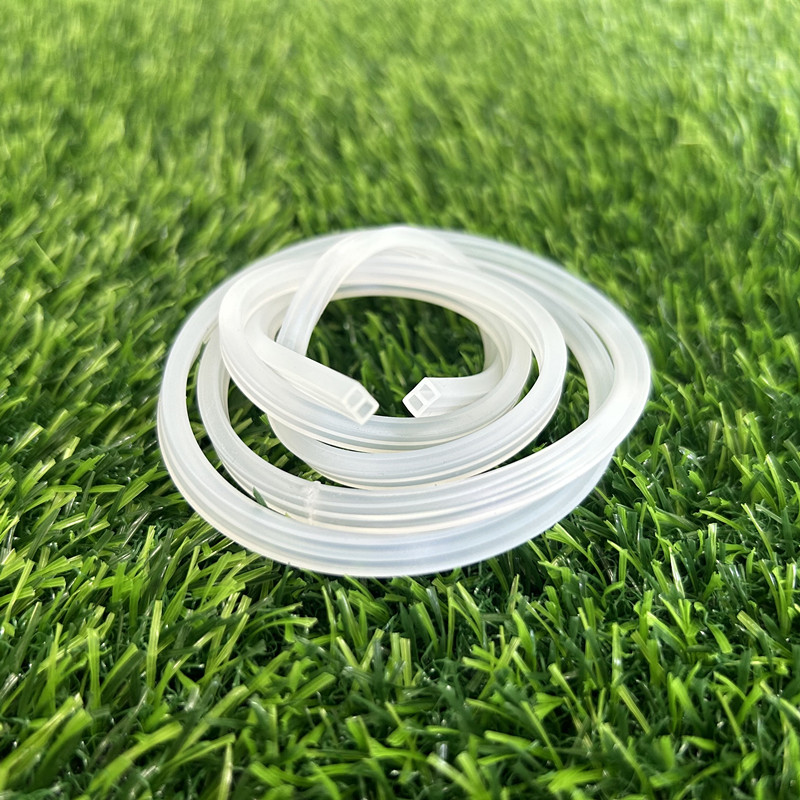
A silicone sealing ring may look simple, but its function is supported by thoughtful structural design. Many rings are made using precision extrusion or compression molding techniques to achieve uniform thickness and reliable dimensional accuracy. These small distinctions determine how well the ring fits into the lid groove and how tightly it can conform to the container edge.
The elasticity of silicone enables the ring to create an airtight barrier by adapting to slight variations in the container’s surface. This combination of softness and resilience helps prevent leaks even when the lunch box is used in bags, backpacks, or during daily transport. At the same time, the ring remains easy to remove for cleaning, which is an important advantage over harder plastic seals that may warp or trap residues.
Durability Built for Daily Use
Daily meal storage and washing cycles can place significant strain on food containers. A well-made silicone sealing ring for lunch box is designed to withstand this repeated use without developing cracks or discoloration. Its resistance to aging and environmental stress helps it maintain elasticity for years. Silicone is naturally hydrophobic, reducing moisture buildup on the surface, and it does not degrade from repeated exposure to detergents or hot water.
Another key feature is that silicone rings do not easily absorb odors, which keeps food storage more enjoyable and convenient. Even after extended use, the ring’s neutral smell underscores the material’s stability and cleanliness.
Focus on User Convenience
The user experience extends beyond sealing performance. Smooth surface finishing ensures that the silicone ring can be cleaned quickly and thoroughly. Some manufacturers apply oil-coating treatments to the surface to make it even smoother and more resistant to dust. This is particularly helpful for customers who want their lunch box components to stay clean and easy to maintain.
Moreover, silicone’s softness reduces friction during installation, making the ring easy to remove and reinstall without stretching or tearing. These qualities support long-term value and reduce the need for frequent replacements.
Conclusion
The silicone sealing ring for lunch box combines material stability, structural precision, and user-friendly functionality to create a dependable sealing solution. Its temperature resistance, food-grade safety, durability, and ease of cleaning make it an essential component for modern food storage systems. By focusing on the inherent strengths of silicone—rather than exaggerated claims—the advantages become clear: a safe, long-lasting, and reliable sealing ring that enhances the overall performance of any lunch box.

点击右上角
分享给朋友吧







 Long by picture save/share
0
Popular
-
top Colored Silicone Tube: Production Process and How to Choose
-
top Enhancing the Lifespan of High-Temperature Silicone Tubes in...
-
top Introducing the Innovative Foam Silicone Tube: A High-Perfor...
-
The evolution and future of silicone material: a panoramic a...
-
Dongguan Yutian Silicone Rubber Technology Co., Ltd. Unveils...
-
Understanding the Causes of Bending and Clogging in Food-Gra...
-
Explore Cutting-Edge Silicone Solutions with Dongguan Yutian...
-
Dongguan Yutian Successfully Showcases Innovative Medical Si...
Latest Products





Message
Hi!If you are looking for custom-made silicone rubber products, feel free to ask me any questions.
Silicone Sealing Ring for Lunch Box: Enhancing Freshness With Safe and Durable Materials
Author:Dongguan Yutian Silicone Rubber Technology Co., Lt
Click:
Time:2025-11-21 08:49:57
Introduction
A reliable food container depends on more than its outer shell—its true performance often comes from a small but essential part: the sealing ring. The silicone sealing ring for lunch box plays a quiet but important role in maintaining airtightness, preventing leaks, and preserving the freshness of stored food. As consumers increasingly pay attention to material safety, durability, and ease of use, high-quality silicone rings have become a central feature for modern lunch box designs. This article explores the characteristics that define a dependable silicone sealing ring and the reasons it has become a preferred choice for food-grade applications.
The Material Advantage: Why Silicone Works
Food-grade silicone has earned a reputation for stability, safety, and reliability. Its temperature resistance—from −40°C to 200°C—allows it to handle a variety of conditions without deforming. Whether placed in a refrigerator or exposed to warm food, the material maintains its softness and elasticity. The sealing ring’s ability to rebound after compression is a foundational reason why silicone creates a consistent and dependable seal.
The chemical stability of silicone also plays an important role. With a formulation that meets FDA, LFGB, and other global food-contact standards, the material remains neutral and odorless. It resists oils, moisture, and acids commonly found in food, allowing the sealing ring to preserve both hygiene and performance over long-term use. These material characteristics naturally align with customer expectations for safety-focused, eco-friendly lunch box components.
Design Matters: How the Structure Creates a Better Seal
A silicone sealing ring may look simple, but its function is supported by thoughtful structural design. Many rings are made using precision extrusion or compression molding techniques to achieve uniform thickness and reliable dimensional accuracy. These small distinctions determine how well the ring fits into the lid groove and how tightly it can conform to the container edge.
The elasticity of silicone enables the ring to create an airtight barrier by adapting to slight variations in the container’s surface. This combination of softness and resilience helps prevent leaks even when the lunch box is used in bags, backpacks, or during daily transport. At the same time, the ring remains easy to remove for cleaning, which is an important advantage over harder plastic seals that may warp or trap residues.
Durability Built for Daily Use
Daily meal storage and washing cycles can place significant strain on food containers. A well-made silicone sealing ring for lunch box is designed to withstand this repeated use without developing cracks or discoloration. Its resistance to aging and environmental stress helps it maintain elasticity for years. Silicone is naturally hydrophobic, reducing moisture buildup on the surface, and it does not degrade from repeated exposure to detergents or hot water.
Another key feature is that silicone rings do not easily absorb odors, which keeps food storage more enjoyable and convenient. Even after extended use, the ring’s neutral smell underscores the material’s stability and cleanliness.
Focus on User Convenience
The user experience extends beyond sealing performance. Smooth surface finishing ensures that the silicone ring can be cleaned quickly and thoroughly. Some manufacturers apply oil-coating treatments to the surface to make it even smoother and more resistant to dust. This is particularly helpful for customers who want their lunch box components to stay clean and easy to maintain.
Moreover, silicone’s softness reduces friction during installation, making the ring easy to remove and reinstall without stretching or tearing. These qualities support long-term value and reduce the need for frequent replacements.
Conclusion
The silicone sealing ring for lunch box combines material stability, structural precision, and user-friendly functionality to create a dependable sealing solution. Its temperature resistance, food-grade safety, durability, and ease of cleaning make it an essential component for modern food storage systems. By focusing on the inherent strengths of silicone—rather than exaggerated claims—the advantages become clear: a safe, long-lasting, and reliable sealing ring that enhances the overall performance of any lunch box.
点击右上角
分享给朋友吧
Long by picture save/share
0
Popular
Popular
Popular
Popular
-
top Colored Silicone Tube: Production Process and How to Choose
-
top Enhancing the Lifespan of High-Temperature Silicone Tubes in...
-
top Introducing the Innovative Foam Silicone Tube: A High-Perfor...
-
The evolution and future of silicone material: a panoramic a...
-
Dongguan Yutian Silicone Rubber Technology Co., Ltd. Unveils...
-
Understanding the Causes of Bending and Clogging in Food-Gra...
-
Explore Cutting-Edge Silicone Solutions with Dongguan Yutian...
-
Dongguan Yutian Successfully Showcases Innovative Medical Si...
Latest Products
Message
 Brown Di
 Brown Di