

Demand Submission
Please leave us a message and we will contact you within 24 hours
NEWS CENTER
A variety of production processes, research and development, production, sales integration
NEWS CENTER
A variety of production processes, research and development, production, sales integration
The Advantages of Conductive Silicone Foam Sealing Strips with Shielding Properties
Time: 2024-12-12 09:43:47
Author: Dongguan Yutian Silicone Rubber Technology Co., Lt
Click:
Shielding conductive silicone foam sealing strips are typically composed of conductive fabric, flame-retardant foam silicone, and other components. They are formed by the combined characteristics of conductive fabric and silicone foam strips. Conductive fabric primarily provides electromagnetic shielding and has good volume and surface resistivity, while silicone foam strips serve to seal, waterproof, and flame retard. These products from different fields are combined through complex and precise
The Advantages of Conductive Silicone Foam Sealing Strips with Shielding Properties
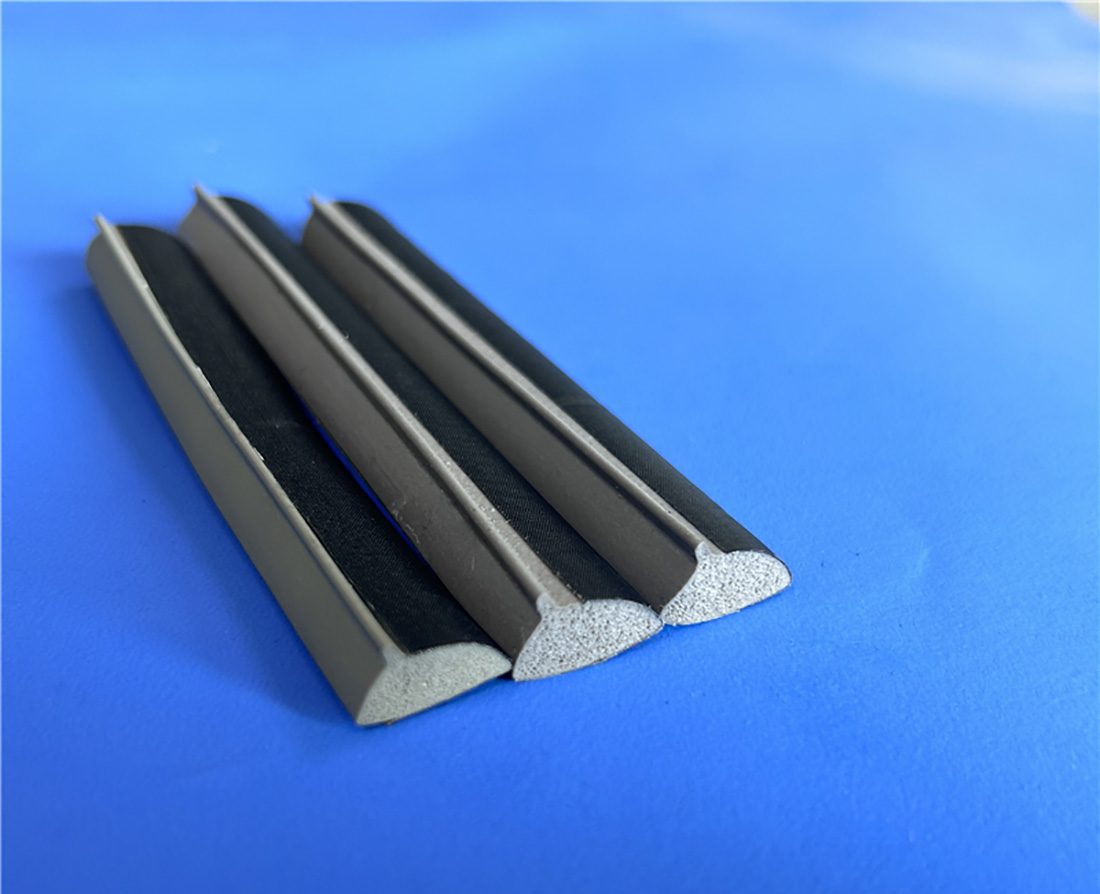
Conductive silicone foam sealing strips with shielding properties are a specialized product that combines the characteristics of conductive fabric and flame-retardant silicone foam. These strips are designed to provide both electromagnetic shielding and sealing capabilities, making them ideal for applications where both functions are required.
Composition and Functionality
The strips consist of conductive fabric, which is responsible for electromagnetic shielding, and flame-retardant silicone foam, which provides sealing, waterproofing, and flame resistance. The conductive fabric ensures good volume and surface resistivity, while the silicone foam offers the necessary physical properties for sealing applications.
Manufacturing Process
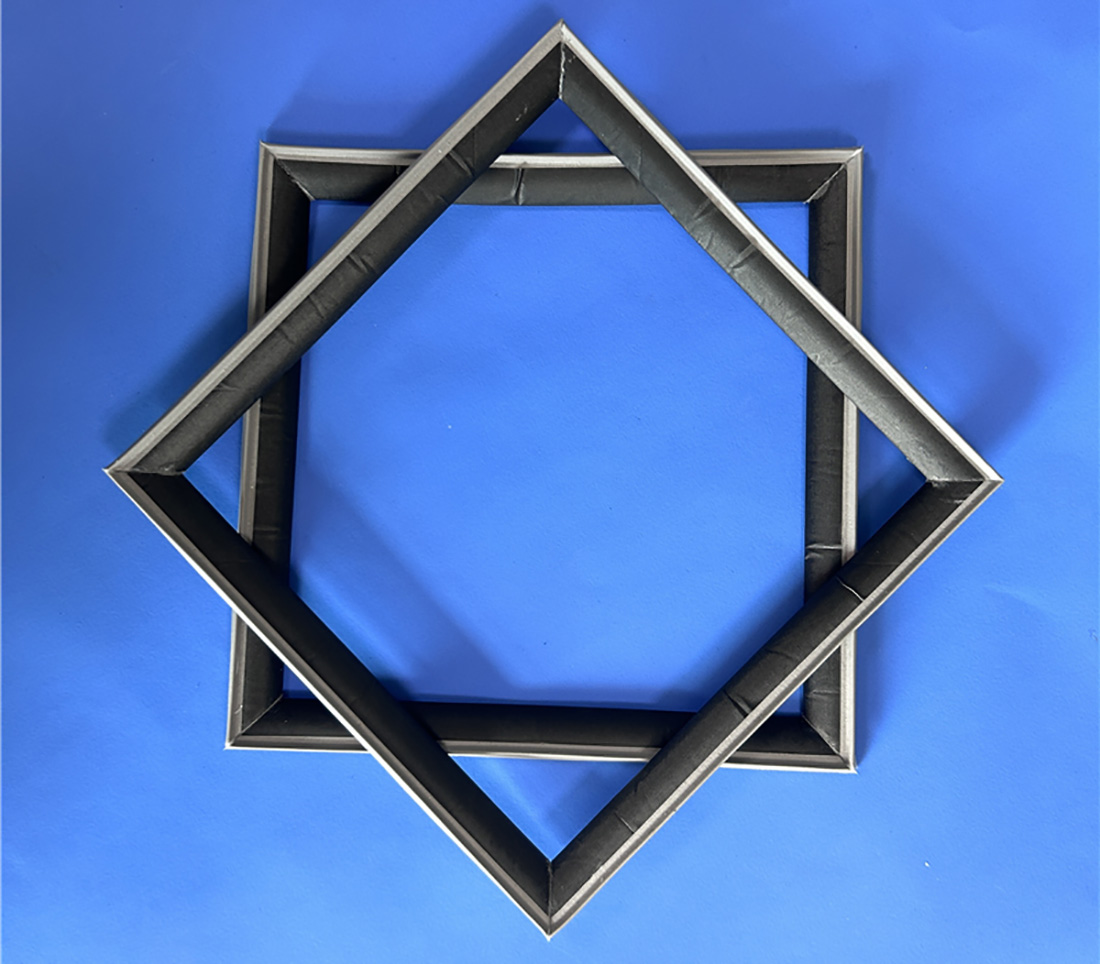
The manufacturing process of these strips is complex and requires precision. The conductive fabric is combined with high-quality silicone rubber materials, and the foam is carefully controlled to ensure that the pores are fine and dense. This prevents the formation of visible bubbles on the surface, which can occur if the pores are too large or not evenly distributed.
Performance Requirements
As a high-precision silicone foam product, conductive silicone foam sealing strips with shielding properties have stringent performance requirements and undergo numerous testing procedures. These tests include electromagnetic shielding effectiveness, as well as physical properties such as compression set, tensile strength, and tear resistance.
Appearance Requirements
The appearance of the strips is also important. They should be smooth and free of visible particles. This requires the use of high-quality silicone rubber materials and precise manufacturing techniques to ensure that the foam pores are evenly distributed and do not protrude to the surface.
Conductive Fabric Considerations
The conductive fabric used in these strips is a critical component. It must maintain its conductivity and shielding properties over time, even when subjected to bending and flexing during transportation, installation, and use. The thickness of the conductive fabric is a balance between maintaining conductivity and ensuring flexibility. It is recommended that the total thickness of the conductive fabric and double-sided adhesive does not exceed 1.8mm, with the conductive fabric itself being less than 1mm thick.
Compression Load Requirements
Silicone rubber compression load testing is a key performance test for these strips. It simulates the performance of the strips under compression over an extended period, ensuring that they maintain their conductive and shielding properties. A qualified strip should meet specific compression load requirements at a rate of 5mm/min and a deformation of 3mm (35±10N for the silicone foam).
Compression Set Testing
Compression set testing is performed at both room temperature and high temperatures to assess the strip's ability to recover its original shape after compression. The test involves compressing the strip by 50% for 22 hours at 23°C ± 3°C and then measuring the permanent deformation. The strip should recover to at least 95% of its original size, with a permanent deformation of less than 5%. High-temperature testing is similar but conducted at 150°C for 22 hours, with the strip expected to recover to at least 90% of its original size.
Additional Testing and Production Considerations
Conductive silicone foam sealing strips with shielding properties are subject to additional testing, including conductive and resistive properties, flame retardancy, heat aging, and durability. The production process includes bonding the conductive fabric, cutting, adhesive application, and other steps. The compatibility and feasibility of bonding conductive fabric with silicone foam must also be considered.
In conclusion, conductive silicone foam sealing strips with shielding properties are a sophisticated product with high performance requirements and a complex manufacturing process. They are essential for applications where both electromagnetic shielding and sealing are critical. The next article will delve into other important testing requirements for these strips.

点击右上角
分享给朋友吧







 Long by picture save/share
0
Popular
-
top Colored Silicone Tube: Production Process and How to Choose
-
top Enhancing the Lifespan of High-Temperature Silicone Tubes in...
-
top Introducing the Innovative Foam Silicone Tube: A High-Perfor...
-
The evolution and future of silicone material: a panoramic a...
-
Dongguan Yutian Silicone Rubber Technology Co., Ltd. Unveils...
-
Understanding the Causes of Bending and Clogging in Food-Gra...
-
Explore Cutting-Edge Silicone Solutions with Dongguan Yutian...
-
Dongguan Yutian Successfully Showcases Innovative Medical Si...
Latest Products







Message
Hi!If you are looking for custom-made silicone rubber products, feel free to ask me any questions.
The Advantages of Conductive Silicone Foam Sealing Strips with Shielding Properties
Author:Dongguan Yutian Silicone Rubber Technology Co., Lt
Click:
Time:2024-12-12 09:43:47
The Advantages of Conductive Silicone Foam Sealing Strips with Shielding Properties
Conductive silicone foam sealing strips with shielding properties are a specialized product that combines the characteristics of conductive fabric and flame-retardant silicone foam. These strips are designed to provide both electromagnetic shielding and sealing capabilities, making them ideal for applications where both functions are required.
Composition and Functionality
The strips consist of conductive fabric, which is responsible for electromagnetic shielding, and flame-retardant silicone foam, which provides sealing, waterproofing, and flame resistance. The conductive fabric ensures good volume and surface resistivity, while the silicone foam offers the necessary physical properties for sealing applications.
Manufacturing Process
The manufacturing process of these strips is complex and requires precision. The conductive fabric is combined with high-quality silicone rubber materials, and the foam is carefully controlled to ensure that the pores are fine and dense. This prevents the formation of visible bubbles on the surface, which can occur if the pores are too large or not evenly distributed.
Performance Requirements
As a high-precision silicone foam product, conductive silicone foam sealing strips with shielding properties have stringent performance requirements and undergo numerous testing procedures. These tests include electromagnetic shielding effectiveness, as well as physical properties such as compression set, tensile strength, and tear resistance.
Appearance Requirements
The appearance of the strips is also important. They should be smooth and free of visible particles. This requires the use of high-quality silicone rubber materials and precise manufacturing techniques to ensure that the foam pores are evenly distributed and do not protrude to the surface.
Conductive Fabric Considerations
The conductive fabric used in these strips is a critical component. It must maintain its conductivity and shielding properties over time, even when subjected to bending and flexing during transportation, installation, and use. The thickness of the conductive fabric is a balance between maintaining conductivity and ensuring flexibility. It is recommended that the total thickness of the conductive fabric and double-sided adhesive does not exceed 1.8mm, with the conductive fabric itself being less than 1mm thick.
Compression Load Requirements
Silicone rubber compression load testing is a key performance test for these strips. It simulates the performance of the strips under compression over an extended period, ensuring that they maintain their conductive and shielding properties. A qualified strip should meet specific compression load requirements at a rate of 5mm/min and a deformation of 3mm (35±10N for the silicone foam).
Compression Set Testing
Compression set testing is performed at both room temperature and high temperatures to assess the strip's ability to recover its original shape after compression. The test involves compressing the strip by 50% for 22 hours at 23°C ± 3°C and then measuring the permanent deformation. The strip should recover to at least 95% of its original size, with a permanent deformation of less than 5%. High-temperature testing is similar but conducted at 150°C for 22 hours, with the strip expected to recover to at least 90% of its original size.
Additional Testing and Production Considerations
Conductive silicone foam sealing strips with shielding properties are subject to additional testing, including conductive and resistive properties, flame retardancy, heat aging, and durability. The production process includes bonding the conductive fabric, cutting, adhesive application, and other steps. The compatibility and feasibility of bonding conductive fabric with silicone foam must also be considered.
In conclusion, conductive silicone foam sealing strips with shielding properties are a sophisticated product with high performance requirements and a complex manufacturing process. They are essential for applications where both electromagnetic shielding and sealing are critical. The next article will delve into other important testing requirements for these strips.
点击右上角
分享给朋友吧
Long by picture save/share
0
Popular
Popular
Popular
Popular
-
top Colored Silicone Tube: Production Process and How to Choose
-
top Enhancing the Lifespan of High-Temperature Silicone Tubes in...
-
top Introducing the Innovative Foam Silicone Tube: A High-Perfor...
-
The evolution and future of silicone material: a panoramic a...
-
Dongguan Yutian Silicone Rubber Technology Co., Ltd. Unveils...
-
Understanding the Causes of Bending and Clogging in Food-Gra...
-
Explore Cutting-Edge Silicone Solutions with Dongguan Yutian...
-
Dongguan Yutian Successfully Showcases Innovative Medical Si...
Latest Products
Message
 Brown Di
 Brown Di