

Demand Submission
Please leave us a message and we will contact you within 24 hours
NEWS CENTER
A variety of production processes, research and development, production, sales integration
NEWS CENTER
A variety of production processes, research and development, production, sales integration
Silicone Busbar Sleeves in Eco-Friendly Cabinets: A Fusion of Power Equipment and Advanced Silicone Products
Time: 2025-01-08 09:37:47
Author: Dongguan Yutian Silicone Rubber Technology Co., Lt
Click:
When discussing the deep integration of electrical equipment and the performance of silicone rubber products, one key component that cannot be overlooked is the environmentally friendly cabinet silicone rubber busbar tube. As an indispensable part of the fusion between modern power grids and silicone products, it not only carries the responsibility of power transmission and distribution but also plays a significant role in driving the power industry towards greener and more sustainable developme
Exploring the Role of Silicone Busbar Sleeves in Eco-Friendly Cabinets: A Fusion of Power Equipment and Advanced Silicone Products
When discussing the deep integration of power equipment with silicone products, one cannot overlook the pivotal role of silicone busbar sleeves in eco-friendly cabinets. As an indispensable component in the modern power grid, these sleeves not only bear the responsibility of current transmission and distribution but also serve as a driving force for the power sector's transition toward green and sustainable development. At the same time, they bring attention to a range of related silicone products, such as silicone cold-shrink tubes, electrical silicone putty, first-generation busbar connection sleeves, and second-generation conductive shielding busbar sleeves.
Working Principle of Silicone Busbar Sleeves in Eco-Friendly Cabinets
1. Current Transmission and Distribution
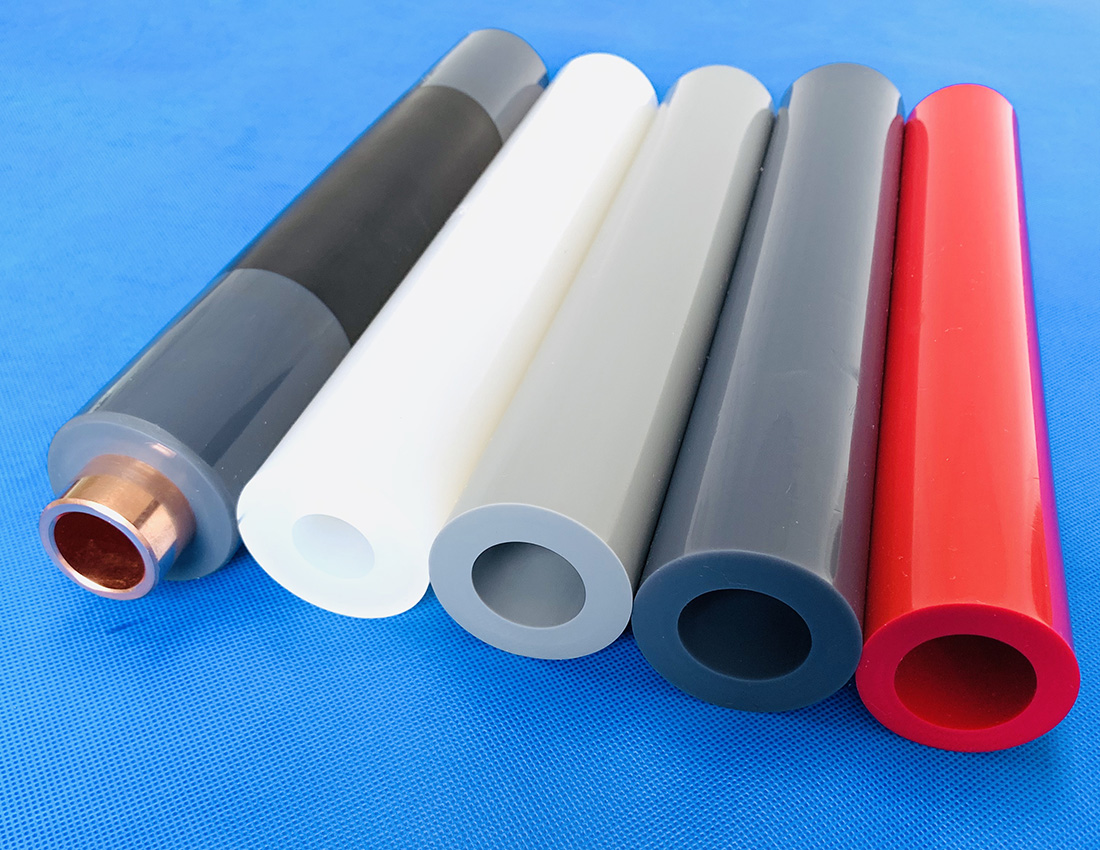
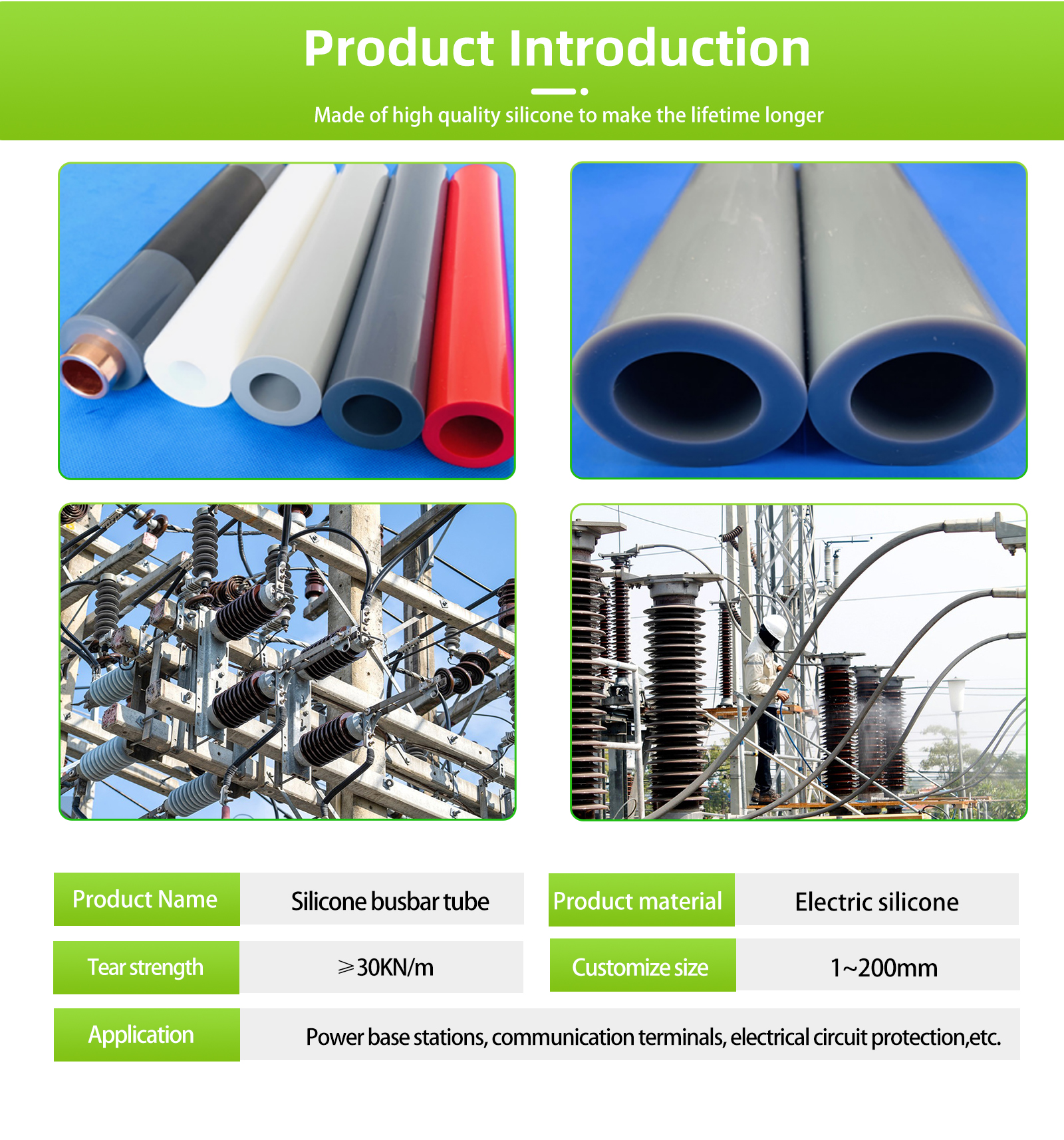
Silicone busbar sleeves are critical components in power equipment, primarily responsible for transmitting and distributing electric current. In eco-friendly cabinets, these sleeves utilize high-conductivity copper rods to ensure efficient and stable transmission of energy, meeting the power system's current demands. Silicone's excellent dielectric strength, combined with sufficient wall thickness and appropriate internal diameters (e.g., 19mm or 32mm copper rods), optimizes performance. Furthermore, depending on silicone extrusion methods (`single-rod extrusion` or `multi-rod extrusion`), these sleeves can distribute power across multiple receiving units, ensuring a balanced operation of the system.
2. Increasing Current-Carrying Capacity and Reducing Metal Consumption
Eco-friendly busbar sleeves significantly enhance current-carrying capacity. With the same cross-sectional area, tubular busbars can achieve nearly twice the current-carrying capacity of rectangular copper bars. Traditional copper rods, due to their high density and weight, often result in slower production, higher assembly costs, and increased material expenses. In contrast, optimizing the wall thickness of silicone busbar sleeves offers a more cost-effective and efficient solution. This innovation not only meets current demands but also reduces the use of precious metals like copper, contributing to material cost savings and a smaller environmental footprint.
3. Enhancing Insulation Performance
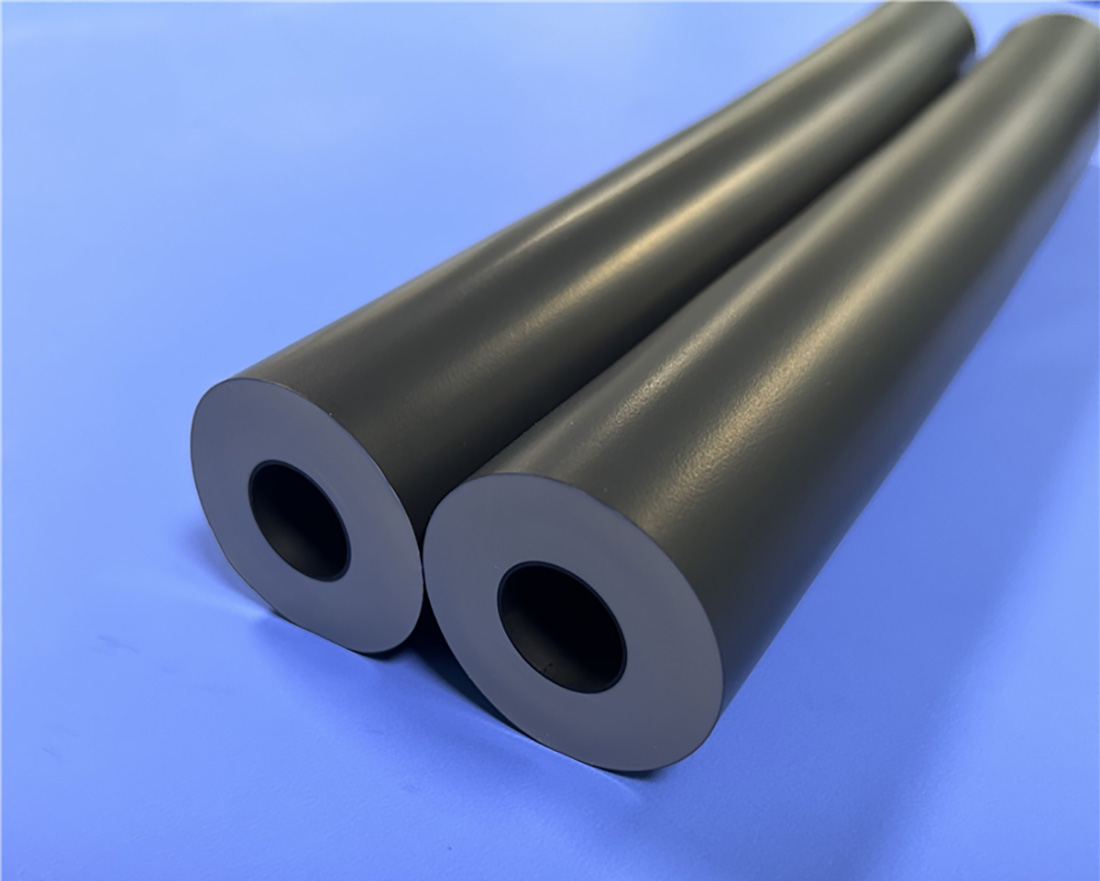
Manufacturers like Dongguan Yutian have successfully developed first, second, and third-generation silicone busbar sleeves, continuously improving insulation performance. In high-voltage environments, the third-generation dual-layer co-extruded busbar sleeves offer superior insulation compared to earlier versions. Their design ensures more uniform electric field distribution and lower peak airfield intensity, significantly reducing the likelihood of air discharge even with minimal clearance.
- **First-Generation Sleeves**: These products, substituting traditional rubber with silicone for busbar connections, feature thicker walls and larger outer diameters but lack specialized performance enhancements.
- **Second-Generation Sleeves**: With added surface coatings, these sleeves exhibit conductive, shielding, and insulating properties. However, prolonged use may lead to oxidation of the surface conductive layer, causing gradual instability in surface resistance.
- **Third-Generation Sleeves**: Combining silicone and conductive silicone through co-extrusion, these advanced sleeves achieve durable, stable performance with enhanced insulation and conductivity.
4. Sustainability and Environmental Benefits
From an environmental perspective, silicone busbar sleeves help reduce resource consumption and minimize ecological impact. Certified under standards like RoHS, REACH, and California Proposition 65, silicone complies with stringent environmental requirements. By increasing current-carrying capacity and reducing dependency on metals like copper, these sleeves alleviate pressure on natural resource extraction. Furthermore, their excellent insulation and heat dissipation properties extend the lifespan of power equipment, cutting down maintenance and replacement costs caused by equipment failure.
Conclusion
Silicone busbar sleeves play an essential role in power equipment housed within eco-friendly cabinets. Beyond their primary function of current transmission and distribution, they contribute significantly to improving current-carrying capacity, enhancing insulation performance, optimizing connection structures, and promoting sustainability. By integrating innovative materials like silicone, these components ensure stable power system operation while aligning with environmental protection goals.

点击右上角
分享给朋友吧







 Long by picture save/share
0
Popular
-
top Colored Silicone Tube: Production Process and How to Choose
-
top Enhancing the Lifespan of High-Temperature Silicone Tubes in...
-
top Introducing the Innovative Foam Silicone Tube: A High-Perfor...
-
The evolution and future of silicone material: a panoramic a...
-
Dongguan Yutian Silicone Rubber Technology Co., Ltd. Unveils...
-
Understanding the Causes of Bending and Clogging in Food-Gra...
-
Explore Cutting-Edge Silicone Solutions with Dongguan Yutian...
-
Dongguan Yutian Successfully Showcases Innovative Medical Si...
Latest Products





Message
Hi!If you are looking for custom-made silicone rubber products, feel free to ask me any questions.
Silicone Busbar Sleeves in Eco-Friendly Cabinets: A Fusion of Power Equipment and Advanced Silicone Products
Author:Dongguan Yutian Silicone Rubber Technology Co., Lt
Click:
Time:2025-01-08 09:37:47
Exploring the Role of Silicone Busbar Sleeves in Eco-Friendly Cabinets: A Fusion of Power Equipment and Advanced Silicone Products
When discussing the deep integration of power equipment with silicone products, one cannot overlook the pivotal role of silicone busbar sleeves in eco-friendly cabinets. As an indispensable component in the modern power grid, these sleeves not only bear the responsibility of current transmission and distribution but also serve as a driving force for the power sector's transition toward green and sustainable development. At the same time, they bring attention to a range of related silicone products, such as silicone cold-shrink tubes, electrical silicone putty, first-generation busbar connection sleeves, and second-generation conductive shielding busbar sleeves.
Working Principle of Silicone Busbar Sleeves in Eco-Friendly Cabinets
1. Current Transmission and Distribution
Silicone busbar sleeves are critical components in power equipment, primarily responsible for transmitting and distributing electric current. In eco-friendly cabinets, these sleeves utilize high-conductivity copper rods to ensure efficient and stable transmission of energy, meeting the power system's current demands. Silicone's excellent dielectric strength, combined with sufficient wall thickness and appropriate internal diameters (e.g., 19mm or 32mm copper rods), optimizes performance. Furthermore, depending on silicone extrusion methods (`single-rod extrusion` or `multi-rod extrusion`), these sleeves can distribute power across multiple receiving units, ensuring a balanced operation of the system.
2. Increasing Current-Carrying Capacity and Reducing Metal Consumption
Eco-friendly busbar sleeves significantly enhance current-carrying capacity. With the same cross-sectional area, tubular busbars can achieve nearly twice the current-carrying capacity of rectangular copper bars. Traditional copper rods, due to their high density and weight, often result in slower production, higher assembly costs, and increased material expenses. In contrast, optimizing the wall thickness of silicone busbar sleeves offers a more cost-effective and efficient solution. This innovation not only meets current demands but also reduces the use of precious metals like copper, contributing to material cost savings and a smaller environmental footprint.
3. Enhancing Insulation Performance
Manufacturers like Dongguan Yutian have successfully developed first, second, and third-generation silicone busbar sleeves, continuously improving insulation performance. In high-voltage environments, the third-generation dual-layer co-extruded busbar sleeves offer superior insulation compared to earlier versions. Their design ensures more uniform electric field distribution and lower peak airfield intensity, significantly reducing the likelihood of air discharge even with minimal clearance.
- **First-Generation Sleeves**: These products, substituting traditional rubber with silicone for busbar connections, feature thicker walls and larger outer diameters but lack specialized performance enhancements.
- **Second-Generation Sleeves**: With added surface coatings, these sleeves exhibit conductive, shielding, and insulating properties. However, prolonged use may lead to oxidation of the surface conductive layer, causing gradual instability in surface resistance.
- **Third-Generation Sleeves**: Combining silicone and conductive silicone through co-extrusion, these advanced sleeves achieve durable, stable performance with enhanced insulation and conductivity.
4. Sustainability and Environmental Benefits
From an environmental perspective, silicone busbar sleeves help reduce resource consumption and minimize ecological impact. Certified under standards like RoHS, REACH, and California Proposition 65, silicone complies with stringent environmental requirements. By increasing current-carrying capacity and reducing dependency on metals like copper, these sleeves alleviate pressure on natural resource extraction. Furthermore, their excellent insulation and heat dissipation properties extend the lifespan of power equipment, cutting down maintenance and replacement costs caused by equipment failure.
Conclusion
Silicone busbar sleeves play an essential role in power equipment housed within eco-friendly cabinets. Beyond their primary function of current transmission and distribution, they contribute significantly to improving current-carrying capacity, enhancing insulation performance, optimizing connection structures, and promoting sustainability. By integrating innovative materials like silicone, these components ensure stable power system operation while aligning with environmental protection goals.
点击右上角
分享给朋友吧
Long by picture save/share
0
Popular
Popular
Popular
Popular
-
top Colored Silicone Tube: Production Process and How to Choose
-
top Enhancing the Lifespan of High-Temperature Silicone Tubes in...
-
top Introducing the Innovative Foam Silicone Tube: A High-Perfor...
-
The evolution and future of silicone material: a panoramic a...
-
Dongguan Yutian Silicone Rubber Technology Co., Ltd. Unveils...
-
Understanding the Causes of Bending and Clogging in Food-Gra...
-
Explore Cutting-Edge Silicone Solutions with Dongguan Yutian...
-
Dongguan Yutian Successfully Showcases Innovative Medical Si...
Latest Products
Message
 Brown Di
 Brown Di