

Demand Submission
Please leave us a message and we will contact you within 24 hours
NEWS CENTER
A variety of production processes, research and development, production, sales integration
NEWS CENTER
A variety of production processes, research and development, production, sales integration
What Is Foam Silicone Tube? Properties, Applications, and Selection Guide
Time: 2026-01-19 01:14:54
Author: Dongguan Yutian Silicone Rubber Technology Co., Lt
Click:
Foam silicone tube is a lightweight, elastic silicone tubing with a microcellular structure. This article explains its manufacturing process, key properties, applications, and selection considerations, helping engineers and buyers understand when foam silicone tubing is the best solution.
Introduction
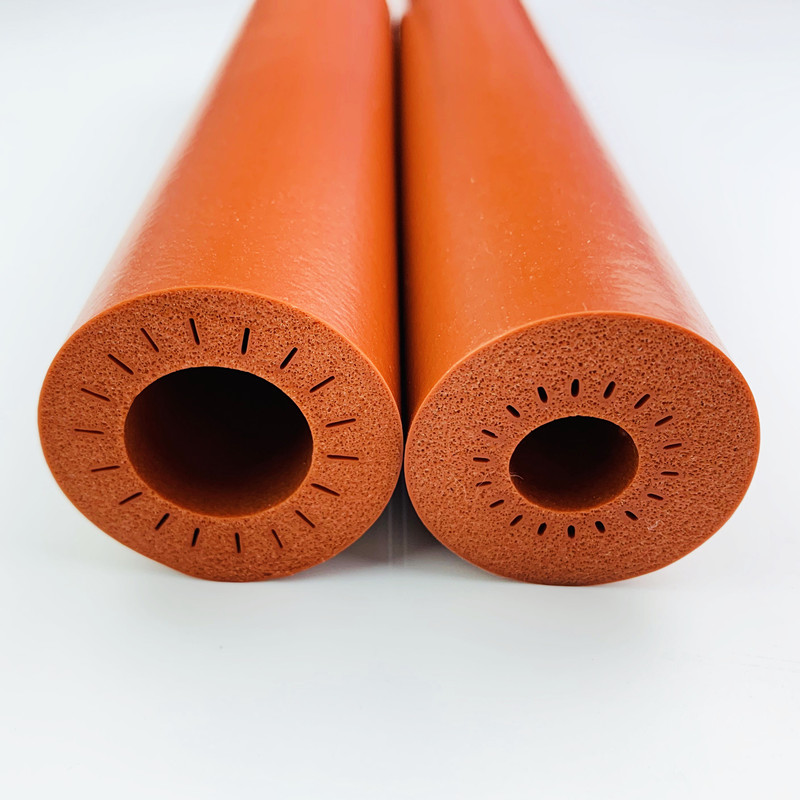
Foam silicone tube is a specialized type of silicone tubing widely used in industrial, printing, electronics, and sealing applications. Compared with solid silicone tubing, foam silicone tube features a lightweight, elastic, and microcellular structure that offers excellent cushioning and compression performance.
As demand grows for vibration damping, soft sealing, and energy-absorbing materials, foam silicone tubes are increasingly selected by engineers and manufacturers. This article explains what foam silicone tubing is, how it is made, its key properties, common applications, and how to choose the right specification.
What Is a Foam Silicone Tube?
A foam silicone tube is a silicone rubber tube with a uniform internal foam structure. During production, a foaming agent is added to the silicone compound. Under controlled heating and vulcanization, gas is released, forming fine, evenly distributed cells within the tube wall.
Unlike solid silicone tubes, foam silicone tubes are not fully dense. Their internal microcell structure significantly changes their mechanical behavior, making them softer, lighter, and more compressible.
How Is Foam Silicone Tube Manufactured?
The production process of foam silicone tubing typically includes:
- Silicone raw material compounding
- Addition of foaming agents
- Extrusion through a customized die
- High-temperature vulcanization and foaming
- Cooling, cutting, and dimensional inspection
Precise control of temperature, extrusion speed, and foaming ratio is essential. Improper control can result in uneven cell size, surface defects, or inconsistent density.
Key Properties of Foam Silicone Tubing
1. Low Density and Lightweight Structure
Foam silicone tube has a significantly lower density than solid silicone tube. This reduces material usage and overall weight, which is beneficial for moving parts and large-scale installations.
2. Excellent Elasticity and Compression Recovery
One of the most important properties of foam silicone tubing is its ability to compress and rebound repeatedly without permanent deformation. This makes it ideal for applications involving rolling, pressing, or vibration.
3. Soft Surface Contact
Foam silicone tubes provide gentle contact with mating surfaces. This reduces wear, noise, and mechanical stress, especially in continuous operation environments.
4. Thermal Insulation Performance
The internal air cells inside foam silicone tubing improve thermal insulation. This helps reduce heat transfer and protects surrounding components from high temperatures.
5. Aging and Environmental Resistance
Like solid silicone rubber, foam silicone tube offers:
- Excellent UV resistance
- Ozone resistance
- Wide operating temperature range (typically -40°C to 200°C)
- Long service life
Foam Silicone Tube vs Solid Silicone Tube
| Feature | Foam Silicone Tube | Solid Silicone Tube |
|---|---|---|
| Density | Low | High |
| Softness | Very soft | Medium |
| Compression | Excellent | Limited |
| Weight | Lightweight | Heavier |
| Surface hardness | Low | Higher |
| Typical use | Cushioning, rollers, seals | Fluid transfer, structural support |
Common Applications of Foam Silicone Tubes
Foam silicone tubing is widely used in:
Printing and Office Equipment
- Printer pressure rollers
- Paper feeding systems
- Anti-slip and damping components
Industrial Sealing
- Soft sealing strips
- Shock-absorbing gaskets
- Expansion compensation seals
Electronics and Appliances
- Vibration damping sleeves
- Thermal insulation components
- Protective coverings
Automation and Machinery
- Noise reduction parts
- Flexible guides
- Contact protection tubing
How to Choose the Right Foam Silicone Tube
When selecting foam silicone tubing, consider the following parameters:
- Outer diameter and wall thickness
- Foam density and hardness (Shore hardness)
- Compression ratio and rebound performance
- Operating temperature
- Environmental exposure (oil, chemicals, UV)
Working with a manufacturer experienced in foam silicone extrusion helps ensure consistent quality and long-term performance.
Conclusion
Foam silicone tube is a high-performance material designed for applications requiring softness, elasticity, and cushioning. Its unique microcellular structure provides advantages that solid silicone tubes cannot offer, particularly in vibration control, compression recovery, and surface protection.
Understanding its properties and selection criteria allows engineers and buyers to make informed decisions and optimize product performance.

点击右上角
分享给朋友吧







 Long by picture save/share
0
Popular
-
top Colored Silicone Tube: Production Process and How to Choose
-
top Enhancing the Lifespan of High-Temperature Silicone Tubes in...
-
top Introducing the Innovative Foam Silicone Tube: A High-Perfor...
-
The evolution and future of silicone material: a panoramic a...
-
Dongguan Yutian Silicone Rubber Technology Co., Ltd. Unveils...
-
Understanding the Causes of Bending and Clogging in Food-Gra...
-
Explore Cutting-Edge Silicone Solutions with Dongguan Yutian...
-
Dongguan Yutian Successfully Showcases Innovative Medical Si...
Latest Products








Message
Hi!If you are looking for custom-made silicone rubber products, feel free to ask me any questions.
What Is Foam Silicone Tube? Properties, Applications, and Selection Guide
Author:Dongguan Yutian Silicone Rubber Technology Co., Lt
Click:
Time:2026-01-19 01:14:54
Introduction
Foam silicone tube is a specialized type of silicone tubing widely used in industrial, printing, electronics, and sealing applications. Compared with solid silicone tubing, foam silicone tube features a lightweight, elastic, and microcellular structure that offers excellent cushioning and compression performance.
As demand grows for vibration damping, soft sealing, and energy-absorbing materials, foam silicone tubes are increasingly selected by engineers and manufacturers. This article explains what foam silicone tubing is, how it is made, its key properties, common applications, and how to choose the right specification.
What Is a Foam Silicone Tube?
A foam silicone tube is a silicone rubber tube with a uniform internal foam structure. During production, a foaming agent is added to the silicone compound. Under controlled heating and vulcanization, gas is released, forming fine, evenly distributed cells within the tube wall.
Unlike solid silicone tubes, foam silicone tubes are not fully dense. Their internal microcell structure significantly changes their mechanical behavior, making them softer, lighter, and more compressible.
How Is Foam Silicone Tube Manufactured?
The production process of foam silicone tubing typically includes:
- Silicone raw material compounding
- Addition of foaming agents
- Extrusion through a customized die
- High-temperature vulcanization and foaming
- Cooling, cutting, and dimensional inspection
Precise control of temperature, extrusion speed, and foaming ratio is essential. Improper control can result in uneven cell size, surface defects, or inconsistent density.
Key Properties of Foam Silicone Tubing
1. Low Density and Lightweight Structure
Foam silicone tube has a significantly lower density than solid silicone tube. This reduces material usage and overall weight, which is beneficial for moving parts and large-scale installations.
2. Excellent Elasticity and Compression Recovery
One of the most important properties of foam silicone tubing is its ability to compress and rebound repeatedly without permanent deformation. This makes it ideal for applications involving rolling, pressing, or vibration.
3. Soft Surface Contact
Foam silicone tubes provide gentle contact with mating surfaces. This reduces wear, noise, and mechanical stress, especially in continuous operation environments.
4. Thermal Insulation Performance
The internal air cells inside foam silicone tubing improve thermal insulation. This helps reduce heat transfer and protects surrounding components from high temperatures.
5. Aging and Environmental Resistance
Like solid silicone rubber, foam silicone tube offers:
- Excellent UV resistance
- Ozone resistance
- Wide operating temperature range (typically -40°C to 200°C)
- Long service life
Foam Silicone Tube vs Solid Silicone Tube
| Feature | Foam Silicone Tube | Solid Silicone Tube |
|---|---|---|
| Density | Low | High |
| Softness | Very soft | Medium |
| Compression | Excellent | Limited |
| Weight | Lightweight | Heavier |
| Surface hardness | Low | Higher |
| Typical use | Cushioning, rollers, seals | Fluid transfer, structural support |
Common Applications of Foam Silicone Tubes
Foam silicone tubing is widely used in:
Printing and Office Equipment
- Printer pressure rollers
- Paper feeding systems
- Anti-slip and damping components
Industrial Sealing
- Soft sealing strips
- Shock-absorbing gaskets
- Expansion compensation seals
Electronics and Appliances
- Vibration damping sleeves
- Thermal insulation components
- Protective coverings
Automation and Machinery
- Noise reduction parts
- Flexible guides
- Contact protection tubing
How to Choose the Right Foam Silicone Tube
When selecting foam silicone tubing, consider the following parameters:
- Outer diameter and wall thickness
- Foam density and hardness (Shore hardness)
- Compression ratio and rebound performance
- Operating temperature
- Environmental exposure (oil, chemicals, UV)
Working with a manufacturer experienced in foam silicone extrusion helps ensure consistent quality and long-term performance.
Conclusion
Foam silicone tube is a high-performance material designed for applications requiring softness, elasticity, and cushioning. Its unique microcellular structure provides advantages that solid silicone tubes cannot offer, particularly in vibration control, compression recovery, and surface protection.
Understanding its properties and selection criteria allows engineers and buyers to make informed decisions and optimize product performance.
点击右上角
分享给朋友吧
Long by picture save/share
0
Popular
Popular
Popular
Popular
-
top Colored Silicone Tube: Production Process and How to Choose
-
top Enhancing the Lifespan of High-Temperature Silicone Tubes in...
-
top Introducing the Innovative Foam Silicone Tube: A High-Perfor...
-
The evolution and future of silicone material: a panoramic a...
-
Dongguan Yutian Silicone Rubber Technology Co., Ltd. Unveils...
-
Understanding the Causes of Bending and Clogging in Food-Gra...
-
Explore Cutting-Edge Silicone Solutions with Dongguan Yutian...
-
Dongguan Yutian Successfully Showcases Innovative Medical Si...
Latest Products
Message
 Brown Di
 Brown Di