

Demand Submission
Please leave us a message and we will contact you within 24 hours
NEWS CENTER
A variety of production processes, research and development, production, sales integration
NEWS CENTER
A variety of production processes, research and development, production, sales integration
Foam Silicone Tube for the European Market: Properties, Applications, and Compliance Guide
Time: 2026-01-19 01:24:35
Author: Dongguan Yutian Silicone Rubber Technology Co., Lt
Click:
Foam silicone tube is widely used across Europe for cushioning, sealing, and vibration control. This article explains its properties, applications, and EU compliance requirements, helping European buyers select reliable, high-performance foam silicone tubing for industrial equipment.
Introduction
In the European market, foam silicone tubes are widely used in industrial equipment, printing systems, electronics, and sealing applications where softness, elasticity, and durability are critical. Compared with solid silicone tubes, foam silicone tubing offers lower density, superior compression recovery, and excellent vibration damping.
With increasing regulatory requirements across Europe, including REACH and RoHS compliance, selecting the right foam silicone tube supplier has become an important decision for OEMs and distributors. This article provides a complete overview of foam silicone tubing properties, applications, and compliance considerations for the European market.
What Is a Foam Silicone Tube?
A foam silicone tube is a silicone rubber tube manufactured with a controlled microcellular structure. During production, foaming agents are introduced into the silicone compound, creating uniformly distributed closed or semi-closed cells inside the tube wall after vulcanization.
This internal structure gives foam silicone tubes a unique combination of softness, elasticity, and lightweight performance, making them ideal for non-fluid-transfer applications where cushioning or sealing is required.
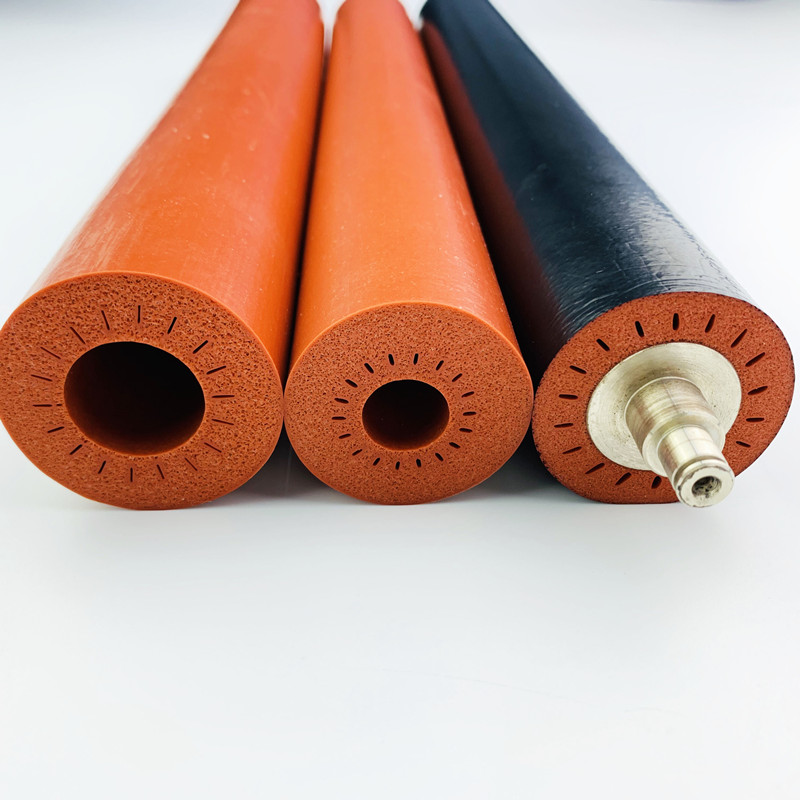
Manufacturing Process for European Quality Standards
For European applications, foam silicone tubes are typically produced using:
- High-purity silicone rubber compounds
- Precisely controlled foaming agents
- Continuous extrusion technology
- Hot-air or tunnel vulcanization
Strict process control ensures consistent density, smooth surface finish, and stable mechanical properties. Reputable European-market suppliers perform dimensional inspection, compression set testing, and aging resistance evaluation to meet long-term performance expectations.
Key Properties of Foam Silicone Tubing
1. Lightweight and Low Density
Foam silicone tubing has a significantly lower density than solid silicone tubing, reducing component weight and material consumption. This is particularly valuable in automation systems and large-format equipment used across European manufacturing plants.
2. Excellent Compression and Recovery
The elastic foam structure allows repeated compression without permanent deformation. This makes foam silicone tubes suitable for rollers, sealing interfaces, and vibration damping components.
3. Thermal and Environmental Resistance
Foam silicone tubes maintain stable performance across a wide temperature range, typically from -40°C to +200°C, meeting common European industrial requirements. They also offer excellent resistance to UV, ozone, and aging.
4. Noise and Vibration Reduction
Thanks to their microcellular structure, foam silicone tubes effectively absorb vibration and reduce mechanical noise, an important factor in European markets where workplace safety and acoustic standards are increasingly emphasized.
Foam Silicone Tube vs Solid Silicone Tube
| Feature | Foam Silicone Tube | Solid Silicone Tube |
|---|---|---|
| Density | Low | High |
| Elasticity | Very high | Moderate |
| Compression recovery | Excellent | Limited |
| Weight | Lightweight | Heavier |
| Typical use | Cushioning, rollers, seals | Fluid transfer, pressure lines |
This comparison is frequently searched by European engineers during material selection.
Typical Applications in the European Market
Foam silicone tubing is commonly used across Europe in:
Printing and Office Equipment
- Printer rollers
- Paper feeding systems
- Noise-reduction components
Industrial Sealing
- Soft sealing profiles
- Expansion compensation
- Shock-absorbing gaskets
Electronics and Appliances
- Vibration isolation sleeves
- Thermal insulation components
- Protective covers
Automation and Machinery
- Conveyor contact surfaces
- Flexible guides
- Equipment protection tubing
Compliance and Regulations in Europe
For the European market, foam silicone tubes should comply with:
- REACH (EC 1907/2006)
- RoHS (2011/65/EU)
- Optional: FDA or LFGB for indirect food-contact environments
Compliance documentation is often required by European buyers and distributors, making supplier transparency a key selection factor.
How to Select the Right Foam Silicone Tube Supplier in Europe
When sourcing foam silicone tubes for European applications, buyers should evaluate:
- Consistent foam density and hardness
- Dimensional accuracy and extrusion stability
- Compliance with EU regulations
- Long-term aging and compression set performance
- Experience with custom profiles and OEM projects
Working with an experienced manufacturer ensures product reliability and reduces lifecycle costs.
Conclusion
Foam silicone tube is a versatile, high-performance solution for European industrial applications requiring softness, elasticity, and durability. Its lightweight structure, excellent compression recovery, and compliance with EU standards make it an ideal alternative to solid silicone tubing in many use cases.
Understanding its properties and regulatory requirements helps European buyers make informed sourcing decisions and optimize equipment performance.

点击右上角
分享给朋友吧







 Long by picture save/share
0
Popular
-
top Colored Silicone Tube: Production Process and How to Choose
-
top Enhancing the Lifespan of High-Temperature Silicone Tubes in...
-
top Introducing the Innovative Foam Silicone Tube: A High-Perfor...
-
The evolution and future of silicone material: a panoramic a...
-
Dongguan Yutian Silicone Rubber Technology Co., Ltd. Unveils...
-
Understanding the Causes of Bending and Clogging in Food-Gra...
-
Explore Cutting-Edge Silicone Solutions with Dongguan Yutian...
-
Dongguan Yutian Successfully Showcases Innovative Medical Si...
Latest Products







Message
Hi!If you are looking for custom-made silicone rubber products, feel free to ask me any questions.
Foam Silicone Tube for the European Market: Properties, Applications, and Compliance Guide
Author:Dongguan Yutian Silicone Rubber Technology Co., Lt
Click:
Time:2026-01-19 01:24:35
Introduction
In the European market, foam silicone tubes are widely used in industrial equipment, printing systems, electronics, and sealing applications where softness, elasticity, and durability are critical. Compared with solid silicone tubes, foam silicone tubing offers lower density, superior compression recovery, and excellent vibration damping.
With increasing regulatory requirements across Europe, including REACH and RoHS compliance, selecting the right foam silicone tube supplier has become an important decision for OEMs and distributors. This article provides a complete overview of foam silicone tubing properties, applications, and compliance considerations for the European market.
What Is a Foam Silicone Tube?
A foam silicone tube is a silicone rubber tube manufactured with a controlled microcellular structure. During production, foaming agents are introduced into the silicone compound, creating uniformly distributed closed or semi-closed cells inside the tube wall after vulcanization.
This internal structure gives foam silicone tubes a unique combination of softness, elasticity, and lightweight performance, making them ideal for non-fluid-transfer applications where cushioning or sealing is required.
Manufacturing Process for European Quality Standards
For European applications, foam silicone tubes are typically produced using:
- High-purity silicone rubber compounds
- Precisely controlled foaming agents
- Continuous extrusion technology
- Hot-air or tunnel vulcanization
Strict process control ensures consistent density, smooth surface finish, and stable mechanical properties. Reputable European-market suppliers perform dimensional inspection, compression set testing, and aging resistance evaluation to meet long-term performance expectations.
Key Properties of Foam Silicone Tubing
1. Lightweight and Low Density
Foam silicone tubing has a significantly lower density than solid silicone tubing, reducing component weight and material consumption. This is particularly valuable in automation systems and large-format equipment used across European manufacturing plants.
2. Excellent Compression and Recovery
The elastic foam structure allows repeated compression without permanent deformation. This makes foam silicone tubes suitable for rollers, sealing interfaces, and vibration damping components.
3. Thermal and Environmental Resistance
Foam silicone tubes maintain stable performance across a wide temperature range, typically from -40°C to +200°C, meeting common European industrial requirements. They also offer excellent resistance to UV, ozone, and aging.
4. Noise and Vibration Reduction
Thanks to their microcellular structure, foam silicone tubes effectively absorb vibration and reduce mechanical noise, an important factor in European markets where workplace safety and acoustic standards are increasingly emphasized.
Foam Silicone Tube vs Solid Silicone Tube
| Feature | Foam Silicone Tube | Solid Silicone Tube |
|---|---|---|
| Density | Low | High |
| Elasticity | Very high | Moderate |
| Compression recovery | Excellent | Limited |
| Weight | Lightweight | Heavier |
| Typical use | Cushioning, rollers, seals | Fluid transfer, pressure lines |
This comparison is frequently searched by European engineers during material selection.
Typical Applications in the European Market
Foam silicone tubing is commonly used across Europe in:
Printing and Office Equipment
- Printer rollers
- Paper feeding systems
- Noise-reduction components
Industrial Sealing
- Soft sealing profiles
- Expansion compensation
- Shock-absorbing gaskets
Electronics and Appliances
- Vibration isolation sleeves
- Thermal insulation components
- Protective covers
Automation and Machinery
- Conveyor contact surfaces
- Flexible guides
- Equipment protection tubing
Compliance and Regulations in Europe
For the European market, foam silicone tubes should comply with:
- REACH (EC 1907/2006)
- RoHS (2011/65/EU)
- Optional: FDA or LFGB for indirect food-contact environments
Compliance documentation is often required by European buyers and distributors, making supplier transparency a key selection factor.
How to Select the Right Foam Silicone Tube Supplier in Europe
When sourcing foam silicone tubes for European applications, buyers should evaluate:
- Consistent foam density and hardness
- Dimensional accuracy and extrusion stability
- Compliance with EU regulations
- Long-term aging and compression set performance
- Experience with custom profiles and OEM projects
Working with an experienced manufacturer ensures product reliability and reduces lifecycle costs.
Conclusion
Foam silicone tube is a versatile, high-performance solution for European industrial applications requiring softness, elasticity, and durability. Its lightweight structure, excellent compression recovery, and compliance with EU standards make it an ideal alternative to solid silicone tubing in many use cases.
Understanding its properties and regulatory requirements helps European buyers make informed sourcing decisions and optimize equipment performance.
点击右上角
分享给朋友吧
Long by picture save/share
0
Popular
Popular
Popular
Popular
-
top Colored Silicone Tube: Production Process and How to Choose
-
top Enhancing the Lifespan of High-Temperature Silicone Tubes in...
-
top Introducing the Innovative Foam Silicone Tube: A High-Perfor...
-
The evolution and future of silicone material: a panoramic a...
-
Dongguan Yutian Silicone Rubber Technology Co., Ltd. Unveils...
-
Understanding the Causes of Bending and Clogging in Food-Gra...
-
Explore Cutting-Edge Silicone Solutions with Dongguan Yutian...
-
Dongguan Yutian Successfully Showcases Innovative Medical Si...
Latest Products
Message
 Brown Di
 Brown Di